
How to Move Heavy Furniture Without Hiring a Full-Service Moving Company
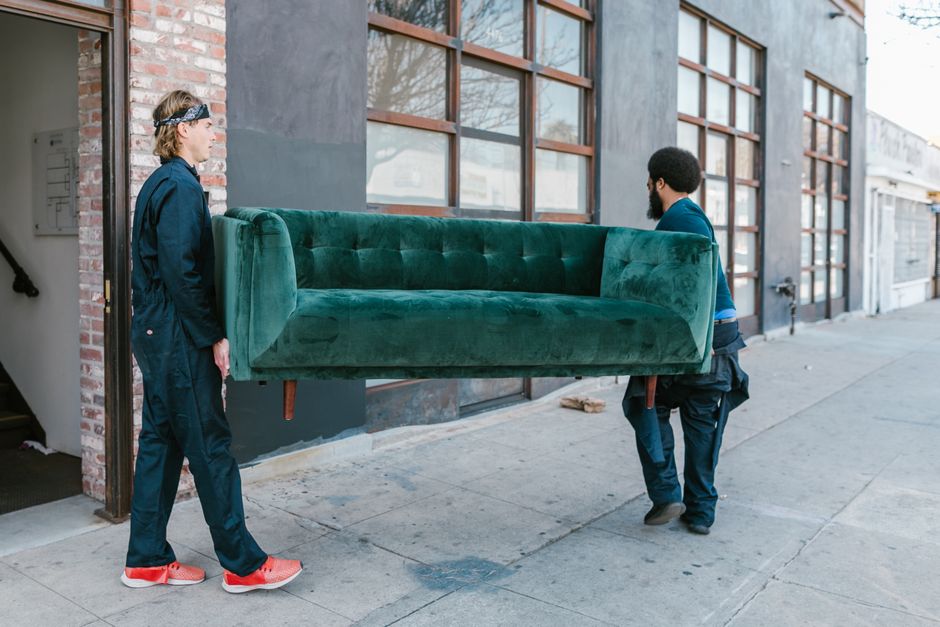
Knowing how to move heavy furniture without hiring a full-service moving company can save you hundreds — or even thousands — of dollars on moving day. Whether you're relocating a sectional sofa, a king-size bed frame, a solid wood armoire, or a marble-topped dining table, the challenge isn't just the weight. It's knowing the right techniques, tools, and sequence to move those items without injuring yourself or damaging your home in the process.
Need a professional crew to handle the heavy lifting while you handle the truck? Call 224-404-0069 or get a free labor-only moving quote from Lift & Load today.
Why Moving Heavy Furniture on Your Own Carries Real Risk
Heavy furniture accounts for a disproportionate share of moving-day injuries and property damage. The reasons are predictable: most people don't lift heavy items frequently, they lack the right equipment, and the time pressure of moving day pushes them to rush. A 200-pound dresser that seems manageable in the middle of a room becomes a very different challenge when you're angling it through a narrow doorframe at the end of a flight of stairs.
Beyond personal injury, improper technique routinely causes gouged hardwood floors, cracked drywall at door corners, scratched stair treads, and furniture finishes ground down to bare wood. None of these outcomes are inevitable — they're the result of skipping preparation steps that take relatively little time but make an enormous practical difference.
The good news is that with the right gear, a methodical plan, and at least one capable helper, most heavy furniture can be moved safely by non-professionals. The sections below walk you through exactly how to do it.
Essential Tools for Moving Heavy Furniture Safely
Before you attempt to move a single heavy piece, gather the right equipment. Trying to improvise without proper tools is where most injuries and damage originate.
Furniture Dollies and Hand Trucks
A four-wheel furniture dolly — a low, flat platform on swivel casters — is arguably the single most important tool for moving heavy furniture. Once you tip a dresser, bookcase, or appliance onto a dolly, even one person can maneuver it across flat surfaces with minimal effort. An upright hand truck (the L-shaped two-wheel variety) is better for tall, narrow items like refrigerators, washing machines, and stacked boxes.
Both types of dollies are available to rent at truck rental companies, home improvement stores, and many moving supply retailers. If you're already renting a truck, ask about adding dollies to your rental — the cost is usually modest and the time savings are substantial.
Furniture Sliders
Furniture sliders are small discs placed under the legs or base of heavy items so they glide across flooring instead of dragging. On hardwood, tile, and laminate, use felt-bottomed sliders. On carpet, use smooth plastic or hard sliders. They transform a two-person struggle into a one-person glide for shorter distances — ideal for repositioning items within a room before carrying them out.
Moving Straps and Forearm Forklifts
Moving straps — sometimes called forearm forklifts — loop under heavy furniture and over the movers' forearms, using leverage to transfer the weight from your back and hands to your stronger forearm and shoulder muscles. They're particularly effective for mattresses, dressers, and large appliances. With straps, two people can often manage items that would normally require three or four.
Protective Wrap and Corner Guards
Moving blankets and stretch wrap protect furniture surfaces from scratching against walls, doorframes, and floors during the move. Cardboard corner guards protect painted walls and door trim when furniture is being angled through tight openings. Having these on hand before you start moving prevents a significant percentage of accidental damage.
Step-by-Step Techniques for Moving Specific Heavy Pieces
Different types of heavy furniture call for different approaches. Here's how to handle the most common and most challenging pieces.
Large Sofas and Sectionals
Before moving a large sofa, remove any legs that unscrew from the base — this reduces height by several inches and often makes the difference between fitting through a doorframe and not. Wrap the sofa in a moving blanket secured with stretch wrap to protect the upholstery from snags and dirt.
When carrying through doorframes, tip the sofa on its end (vertically) whenever possible. Most sofas that won't pass through a door horizontally will fit when stood on one end and angled through. Have one person guide from the front and one push from behind, communicating clearly about turns and obstacles.
For sectionals, always separate pieces before moving. Attempting to maneuver a sectional as a single unit through hallways and doorways causes far more difficulty than it's worth — unhook or disconnect each section and move them individually.
Dressers, Armoires, and Bookcases
Always empty dressers and bookcases completely before moving them. Drawers add significant weight and shift the center of gravity in unpredictable ways. Remove drawers and move them separately — or tape them shut with stretch wrap if they don't pull out fully. Take doors off large armoires with removable hinges to reduce bulk and prevent swinging during transit.
Tip tall furniture onto a furniture dolly by having one person tilt it slightly while the other slides the dolly platform underneath. Secure the item to the dolly with a strap before rolling. Never attempt to walk a tall, narrow bookcase across a floor by "walking" it on its corners — this risks toppling and injury.
Bed Frames and Mattresses
Disassemble bed frames fully. Remove the headboard, footboard, side rails, and slats and wrap each component in moving blankets. Bundle the slats together with stretch wrap or rope so they don't scatter. Keep all hardware (bolts, screws, cam locks) in a labeled zip-lock bag taped to one of the frame pieces.
Mattresses are awkward more than they are genuinely heavy, but their size makes them a two-person minimum job. A mattress bag — a large plastic sleeve available at moving supply stores — protects against dirt, moisture, and tears during transit and makes the surface easier to grip. Stand a mattress upright against the truck wall and strap it in place rather than laying it flat on top of other items.
Dining Tables
Flip dining tables upside down and place them on furniture pads when possible — this protects the finished top and makes the piece easier to carry by gripping the underframe. Remove leaves if the table has any. For very large or heavy tables (solid hardwood, stone tops), use a dolly and moving straps and have at least two people involved in every carry.
Protecting Your Home During the Move
Heavy furniture can do serious damage to the home you're leaving and the one you're moving into. A few simple precautions prevent most of it.
- Cover doorframes: Wrap high-risk doorframes in moving blankets or foam padding secured with tape before carrying heavy furniture through them.
- Protect floors: Lay Masonite boards or thick cardboard sheets along high-traffic paths to protect hardwood and tile from dolly wheels and dragged items.
- Use corner guards on walls: Cardboard or foam corner guards mounted at turn points in hallways prevent the most common wall damage during furniture moves.
- Clear the path first: Walk the entire route from furniture placement to truck before moving anything. Remove rugs, decorative items, and any obstacles that could trip a loaded mover.
When Labor-Only Help Is the Right Call
There's a meaningful difference between moving furniture you can reasonably handle with preparation and the right tools, and moving items that genuinely require professional expertise and physical capacity. Piano moving, appliance moving, and multi-flight stair carries with very heavy pieces all fall into a category where the risk of self-performed moves — both to your safety and your property — is high enough that professional help pays for itself.
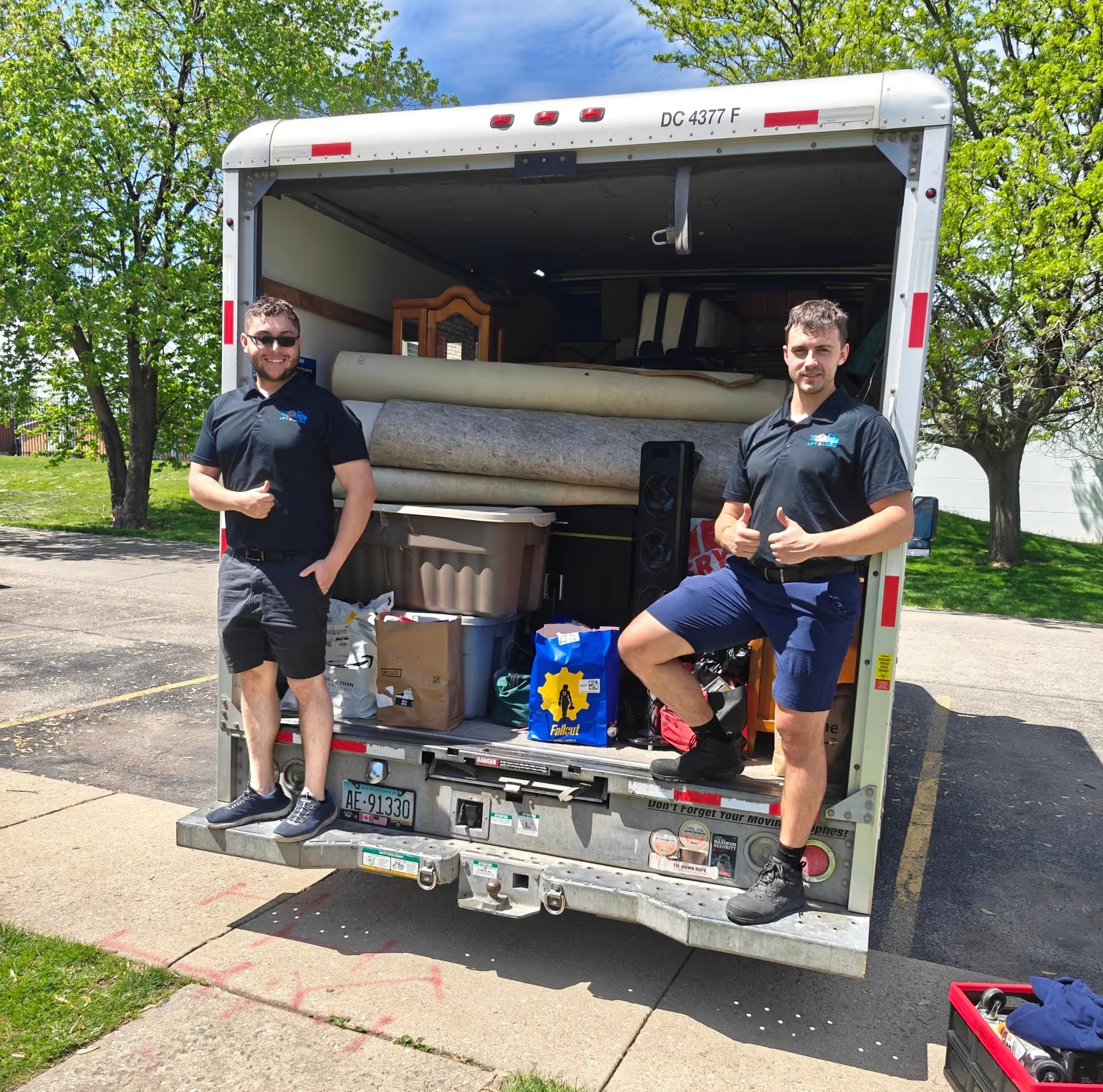
A labor-only moving service is the practical middle ground: you rent the truck and handle logistics, and a trained crew handles the heavy lifting, loading, and unloading. You get professional-grade physical capability and technique without paying for a full-service moving company to pack your entire household. For most people moving locally, this is the most cost-effective approach when the furniture involved is too heavy or too risky to handle alone.
If you're on the fence about whether a specific piece requires professional help, the general guideline is this: if it takes three or more people to lift safely, or if it must navigate a staircase, a tight turn, or an elevator, professional movers will almost always save you more in avoided damage and injury than their fee costs.
Preparing Heavy Furniture the Day Before Moving
One of the most effective things you can do to make moving heavy furniture go smoothly is to do as much preparation as possible the day before moving day — not the morning of. Disassemble what can be disassembled. Remove drawers and doors. Gather and bag all hardware. Wrap fragile surfaces. Lay out your tools and equipment where they'll be easy to access.
When moving day arrives, every minute spent re-figuring out how to take apart a bed frame or hunting for a screwdriver is a minute of physical energy lost. Front-loading the preparation work means your crew — whether it's friends, family, or hired labor — spends their time and strength on the actual moving, not on problem-solving that should have been done the night before.





FAQs
It depends on the piece, but as a general rule: items over 150 pounds or items that must navigate stairs or tight turns require at least two people. Many large furniture pieces — sectional sofas, king mattresses, large appliances — are safer with three. If a piece requires four or more people to lift safely, it's worth considering a labor-only moving crew rather than relying on friends.
Use furniture sliders — felt-bottomed for hardwood and tile, plastic or hard sliders for carpet. Place one slider under each leg or corner of the piece, then gently push or pull it in the direction you need it to go. For longer moves through the home, a four-wheel furniture dolly on a flat Masonite board or thick cardboard path protects floors even better than sliders alone.
Yes, whenever possible. Disassembling large pieces — removing legs, doors, shelves, drawers, and headboards — reduces weight, lowers the center of gravity, and almost always makes navigating doorframes and staircases easier. Keep all hardware in labeled zip-lock bags taped to the corresponding furniture piece so nothing gets lost.
Labor-only movers are worth it when pieces are too heavy or awkward to move safely without professional technique, when your move involves staircases or elevator logistics, or when the risk of injury or property damage is high enough that the cost of professional help is less than the cost of a mistake. You rent the truck yourself and control the logistics — the crew handles the physical work. It's a cost-effective middle ground between full-service moving and doing everything yourself.
Labor-only movers are worth it when pieces are too heavy or awkward to move safely without professional technique, when your move involves staircases or elevator logistics, or when the risk of injury or property damage is high enough that the cost of professional help is less than the cost of a mistake. You rent the truck yourself and control the logistics — the crew handles the physical work. It's a cost-effective middle ground between full-service moving and doing everything yourself.
Still have questions?
How to move with us?
Hit the “Get a Quote” button and tell us what you need.
Choose the service, date, and time that work best for you.
Our friendly team shows up on time and gets everything done safely.
Sit back while we take care of the rest.
.avif)