
How to Move Heavy Plants and Large Potted Trees Without Injury or Damage
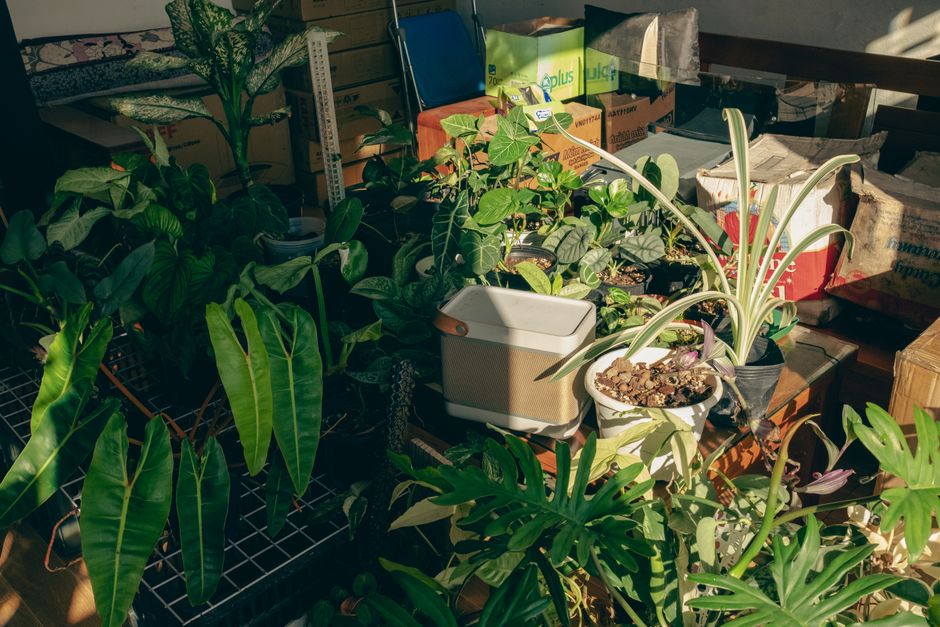
Anyone with a serious collection of container plants knows that figuring out how to move heavy plants is a completely different challenge than packing boxes or hauling furniture. A large ceramic planter filled with wet soil can weigh well over a hundred pounds, and unlike a dresser or a couch, the object inside that pot is alive and can be permanently damaged by rough handling, temperature swings, or a few too many days sitting in a dark truck. Whether you are relocating a few statement pieces from a patio or an entire indoor jungle from a sunroom, a little planning goes a long way toward keeping your plants healthy and your back intact.
Assess Weight and Fragility Before Moving Day
Before you attempt to lift anything, walk through your space and take stock of what you actually have. Ceramic and terra cotta pots are heavier and more brittle than plastic or fiberglass containers, and they crack easily if bumped against a doorframe or dropped even a short distance. Large specimen plants, like mature fiddle leaf figs or citrus trees, also carry a lot of weight in the canopy itself, which shifts the center of gravity and makes them awkward to carry even when the pot itself is manageable.
Sort your plants into rough categories: small and light enough to carry solo, medium pieces that need two people, and oversized pots or trees that genuinely require a dolly or a team lift. This sorting step helps you figure out ahead of time where you might need extra hands rather than discovering it mid-carry.
Water Wisely Before Transport
It is tempting to give plants a deep drink right before a move so they arrive hydrated, but soaked soil adds significant weight and can make containers unstable during transport. A better approach is to water lightly a day or two in advance so the plant is healthy but the soil is not dripping wet or excessively heavy. If a plant is drought tolerant, you can often skip watering entirely until after it is settled in its new spot.
Protect Pots and Root Balls During the Lift
Once you know what you are dealing with, the next priority is protecting both the container and the plant itself during the actual lift. Never grab a plant by its trunk, stems, or foliage to lift it since this can snap branches or tear roots loose from the soil. Instead, always lift from underneath the pot, supporting the full weight of the base rather than pulling from the top.
- Wrap fragile ceramic or terra cotta pots in moving blankets or bubble wrap to cushion against bumps and drops.
- Use a furniture dolly or a hand truck with straps for anything you cannot comfortably lift with one or two people.
- Slide a piece of cardboard or a furniture slider under especially heavy pots to drag them short distances instead of lifting.
- Tie back loose branches loosely with soft twine or plant ties to keep foliage from snapping against doorframes.
For genuinely oversized planters, the safest approach is often to treat them the same way you would treat any bulky, awkward piece of furniture. If you have ever had to figure out how to move a piano up or down stairs, the same core principles apply here: keep the load low, communicate clearly with your lifting partner, and never twist your spine while carrying weight.
Navigating Doorways, Stairs, and Tight Turns
Measure your doorways and hallway turns before moving day so you are not stuck trying to angle a five foot tall potted tree through a space that is simply too narrow. If a pot will not clear a doorway upright, tilting it slightly (with someone supporting the canopy) is usually safer than forcing it through at an angle that stresses the branches. Stairs are the riskiest part of any plant move, so take them slowly, one step at a time, with the heavier person positioned below the load to control its descent.
Prepare Plants for the Ride
Once plants are loaded into a vehicle or truck, the goal shifts to keeping them stable and comfortable for the duration of the trip. Place heavier pots on the floor of the vehicle rather than stacking them on furniture, and use rolled towels, moving blankets, or empty boxes to wedge pots in place so they cannot tip or slide during transport. Group plants together rather than spreading them out, since they tend to brace each other and stay more secure.
Temperature matters more than most people expect. Avoid leaving plants in a hot, closed truck for extended periods, especially in summer months, since heat buildup can wilt or scorch foliage quickly. In colder weather, tropical plants in particular are sensitive to even brief exposure to freezing temperatures, so minimize the time they spend outside during loading and unloading.
When to Bring in Extra Help
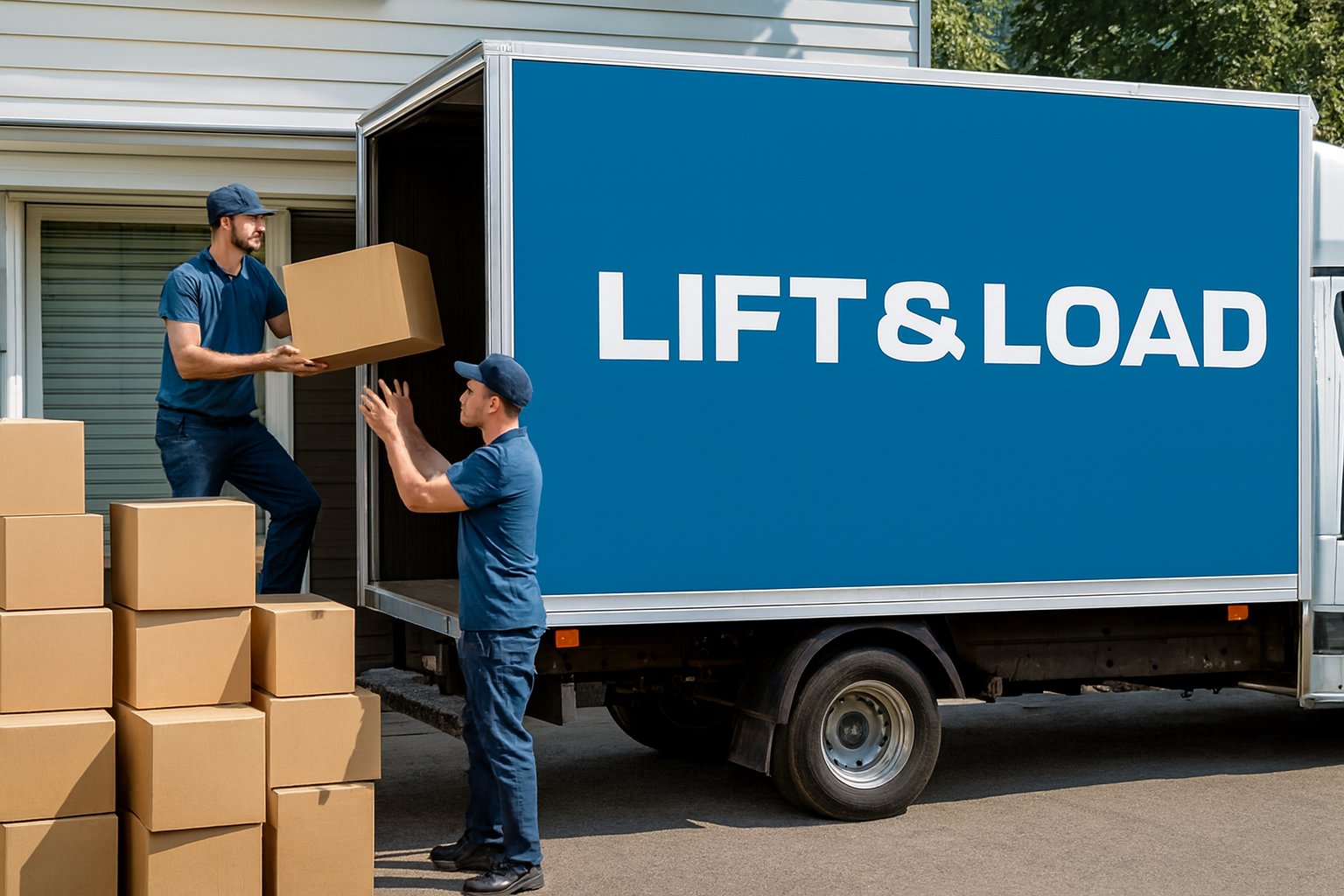
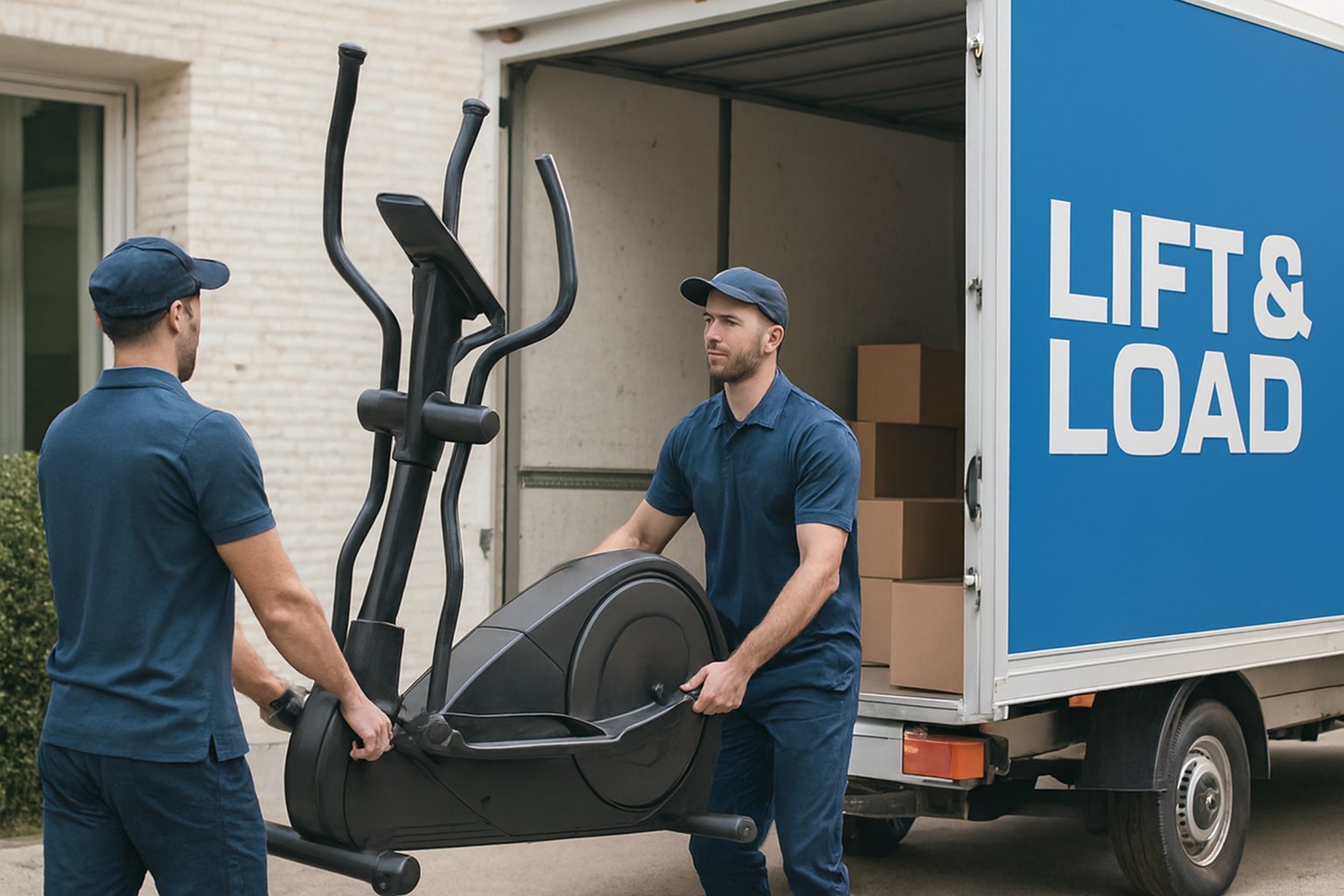
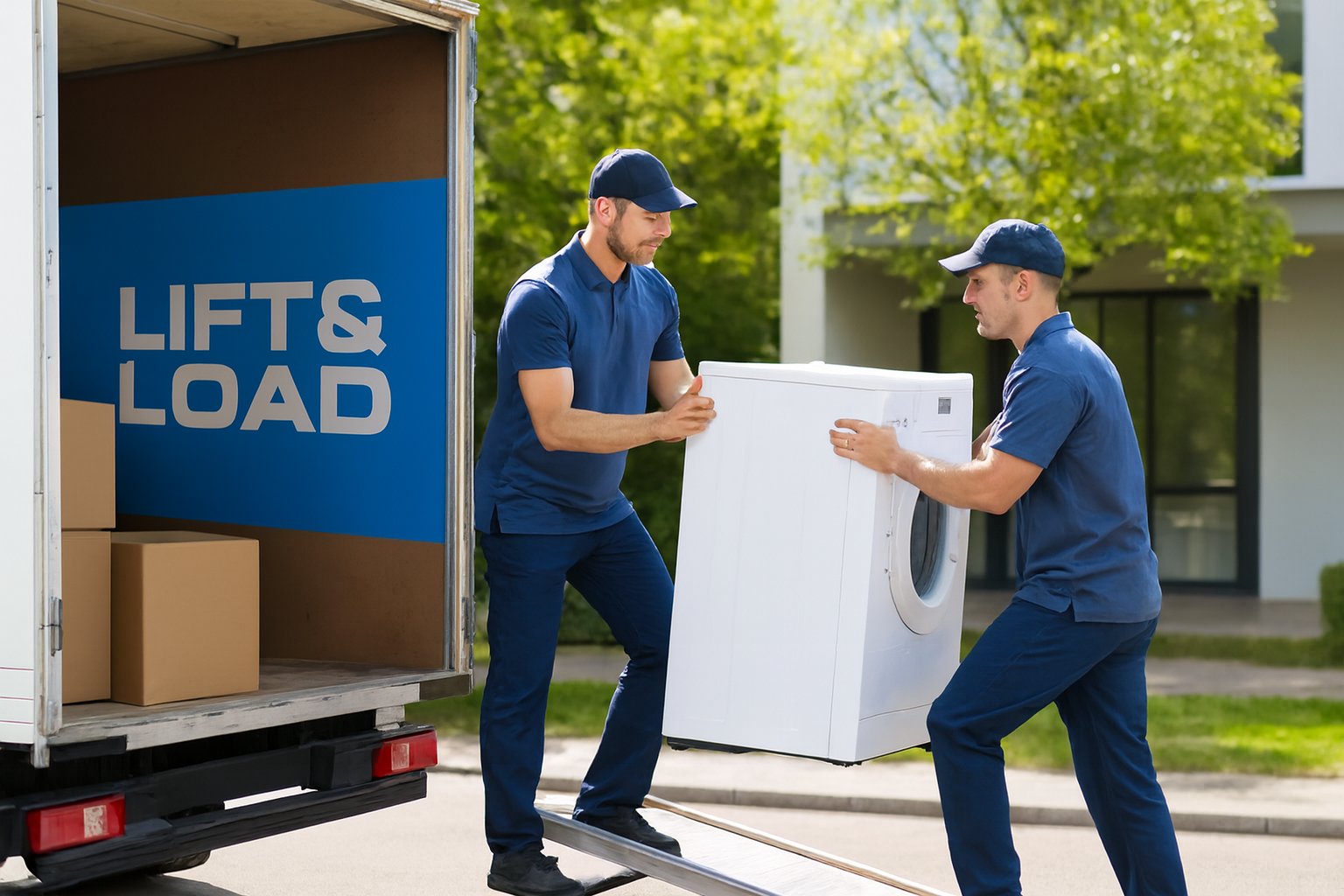
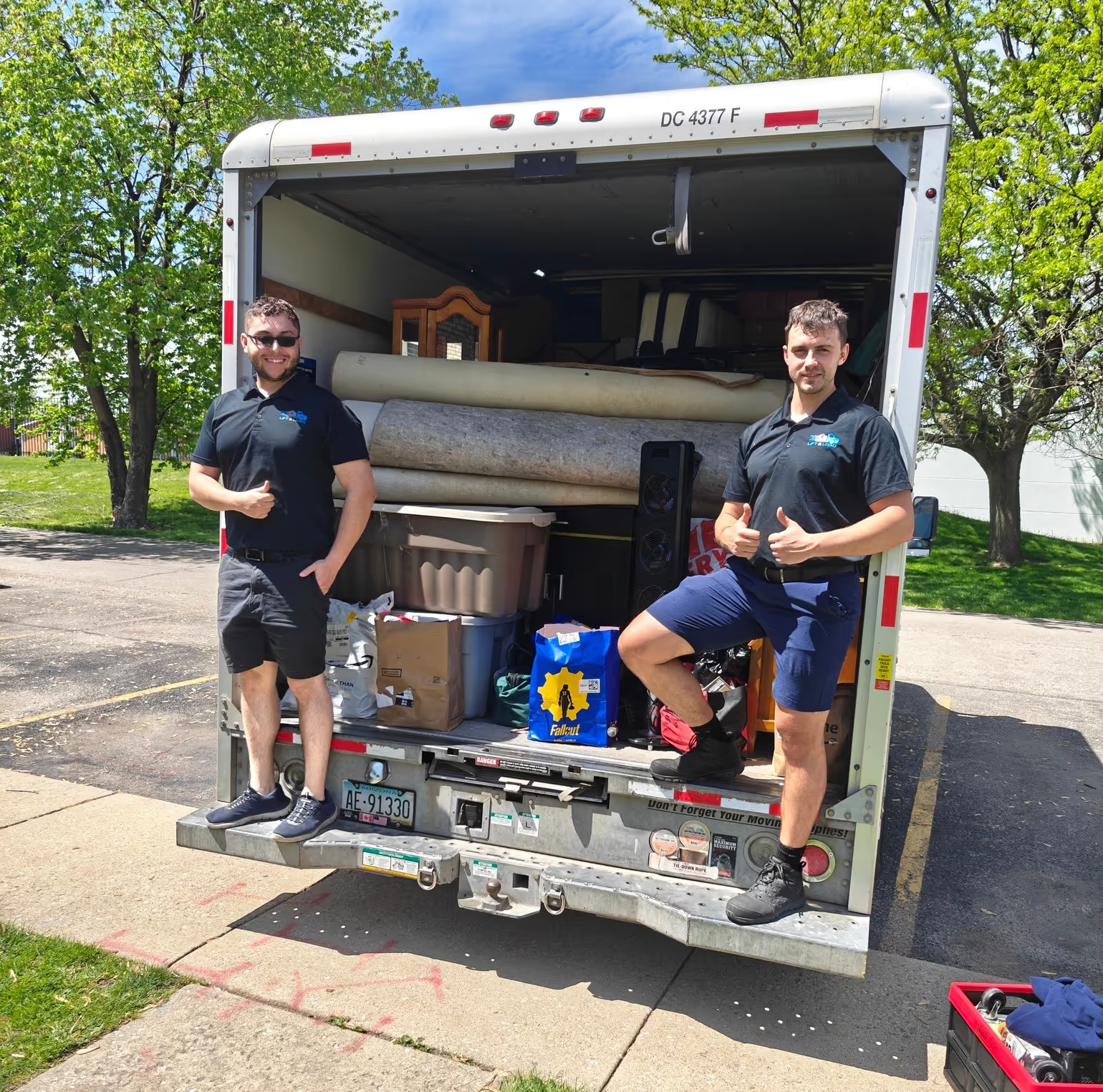
Some plants are simply too heavy, too tall, or too awkward to move safely with just one or two people, especially if your move also involves furniture, appliances, and dozens of boxes on a tight schedule. If your collection includes several oversized planters or a mature tree in a large ceramic or concrete container, bringing in an experienced local moving labor crew can prevent both injuries and broken pots. A trained crew knows how to distribute weight, use the right equipment, and coordinate a lift so nothing gets dropped on the way to the truck.
If your plants are heading to a new home that is more than a quick drive away, the logistics change further, and you may want to review general guidance on long distance moving support to understand how transit time and vehicle conditions can affect delicate items like live plants. And if you are not ready to bring everything to your new place right away, short-term storage solutions can be a useful bridge, though most plants do best when that gap is kept as brief as possible.
Settling Plants Into Their New Home
Once your plants arrive, resist the urge to immediately place them in direct sun or a permanent spot. Give them a few days in bright, indirect light to recover from the stress of transport before moving them to their final location. Check the soil moisture, inspect for any cracked pots or broken stems, and trim away any damaged foliage. With a little patience, most plants bounce back from a move within a couple of weeks and settle comfortably into their new environment.
Moving day is stressful enough without worrying about whether your favorite planter is going to survive the trip. Careful sorting, proper lifting technique, and the right support when you need it can make the difference between a smooth transition and a driveway full of broken ceramic.





FAQs
Always lift from underneath the base of the pot rather than pulling on the trunk, stems, or foliage. For anything you cannot comfortably lift alone, use a dolly, hand truck, or a second person to distribute the weight and avoid strain on your back.
It is generally better to water lightly a day or two before the move rather than right before transport. Soaked soil adds significant weight and can make pots unstable, so aim for soil that is moist but not dripping.
Place heavy pots on the floor of the vehicle, group them close together so they brace one another, and use towels, blankets, or empty boxes to wedge them in place so they cannot slide or tip while driving.
If you have several oversized planters, a mature tree in a heavy container, or a move that also involves furniture and appliances on a tight timeline, an experienced labor-only crew can help lift and transport plants safely without injury or damage.
If you have several oversized planters, a mature tree in a heavy container, or a move that also involves furniture and appliances on a tight timeline, an experienced labor-only crew can help lift and transport plants safely without injury or damage.
Still have questions?
How to move with us?
Hit the “Get a Quote” button and tell us what you need.
Choose the service, date, and time that work best for you.
Our friendly team shows up on time and gets everything done safely.
Sit back while we take care of the rest.
.avif)