
How to Ship One Piece of Furniture Without Hiring a Full Moving Crew
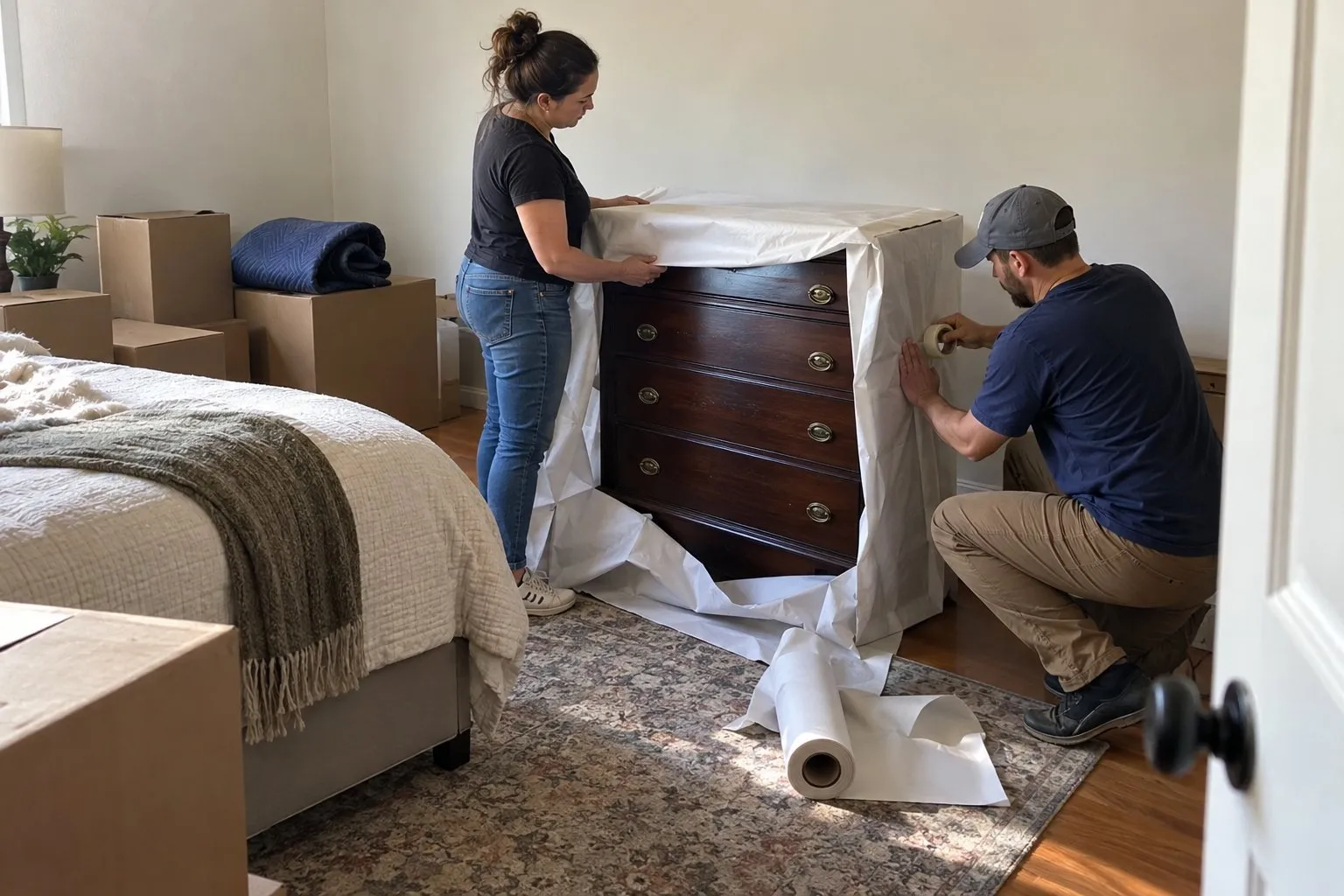
Shipping one piece of furniture is a different problem than a full household move, and treating it like a mini version of one usually costs you more than it should. The right approach depends mostly on distance: a dresser going across town needs different handling than a dining table going across the country. Figure out which category your situation falls into first, then match the service to it instead of defaulting to a full moving company.
This guide breaks down the realistic options for moving a single item, what each one actually costs you in time and money, and how to avoid the two most common mistakes people make: overpaying for services they don't need, or under-protecting a piece that gets damaged in transit.
How Do You Ship One Piece of Furniture?
For long distances, you generally choose between furniture freight shipping and a white-glove delivery service, both of which specialize in single items rather than full households. For local moves, in most cases labor-only movers paired with a rented truck or your own vehicle is cheaper and faster than booking a traditional moving company for one item.
The distinction matters because most moving companies are built around hourly minimums and full-truck logistics designed for multi-room jobs. Asking a full-service mover to handle one couch often means paying for a truck, a crew, and a minimum time block sized for a much bigger job. Freight carriers and labor-only crews, by contrast, price and schedule around smaller jobs as their normal business.
Long-Distance: Freight and White-Glove Delivery
If the item is traveling between states or across a long regional distance, furniture freight carriers crate or blanket-wrap the piece and move it alongside other shipments, similar to how large appliances or online furniture orders get delivered. White-glove delivery services add inside placement and sometimes assembly at the destination, at a higher cost than basic freight. Both options typically require the item to be ready for transit before the carrier arrives; they are not packing services.
Local: Labor-Only Movers With a Vehicle
If the piece is moving within the same metro area, a rented truck or trailer combined with a labor-only moving crew is usually the most direct route. You or a friend handle the driving, and the crew handles the lifting, carrying, and loading at both ends. This avoids freight crating costs and delivery windows entirely, since the item travels in hours rather than days.
What Does It Cost to Ship a Single Piece of Furniture?
Cost depends on the item's size, weight, distance, and how much handling it needs, so there is no flat industry rate to quote. Freight and white-glove carriers typically price by weight and distance combined with a crating fee; local labor help is typically priced by the hour and crew size. The only way to know your real number is to get quotes for your specific item and route rather than estimate from a general figure.
What you can control is which cost drivers you're paying for. Crating adds protection but also adds a flat fee regardless of distance. A longer carrier route costs more than a short one. A heavier or more awkward item (a sectional, a large wardrobe, a marble-top table) takes more labor to load safely, which affects local labor pricing too. If you're only moving locally, request a free labor-only moving quote so you know the real number before committing to a date.
Should You Disassemble the Item Before It Ships?
Yes, in most cases. Disassembling table legs, bed frames, and detachable shelving reduces the item's footprint, lowers the risk of a joint cracking under its own weight during transit, and often reduces what a freight carrier charges for crating size. Keep all hardware in a labeled bag taped directly to the largest component so nothing gets lost.
Items that don't disassemble easily, like a one-piece dresser or a curio cabinet, need extra attention to corners and legs instead. Wrap exposed wood and glass separately from the main body, and never let two hard surfaces touch directly inside a crate or truck.
What to Ask a Freight or White-Glove Carrier
Before booking, confirm who builds the crate (you or them), what happens if the item arrives damaged, and whether delivery includes carrying it past the threshold or just to the curb. Curbside-only delivery is common and surprising to first-time shippers who assumed the carrier would bring it inside.
How Do You Choose Between Shipping It and Hiring Local Movers?
Choose shipping when the item is traveling outside your local area and you don't have someone to receive it in person at the other end. Choose local labor-only help when the distance is short enough to drive yourself and you just need hands to lift, carry, and load safely. The deciding factor is almost always distance, not the size or value of the furniture itself.
If you're weighing this decision against hiring a full moving company instead, the same logic applies: a full crew makes sense for an entire household, not a single item. Our guide on how to choose a moving company covers what to ask if you're ever moving more than one piece and want to compare full-service options properly.
Protecting the Piece However It Travels
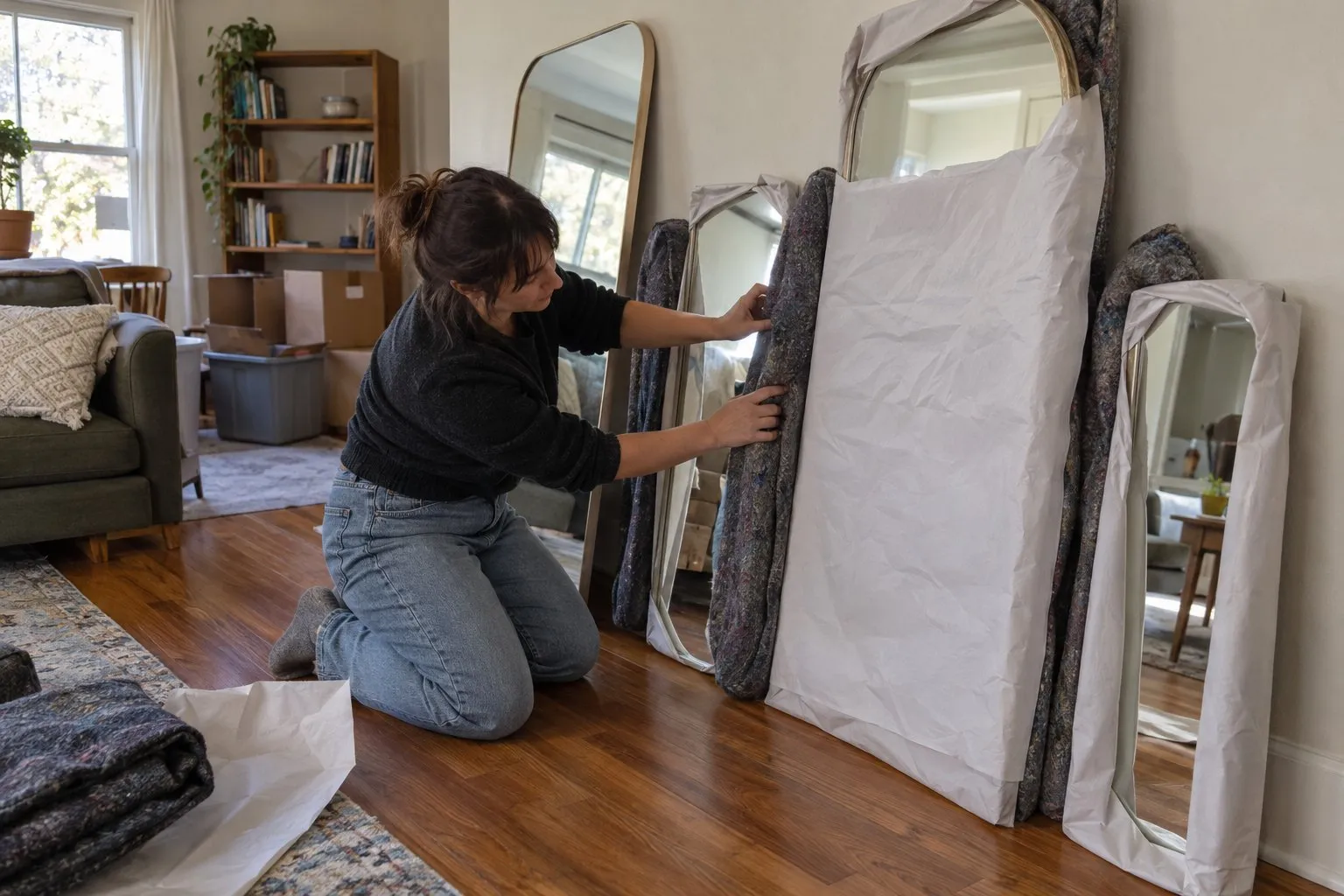
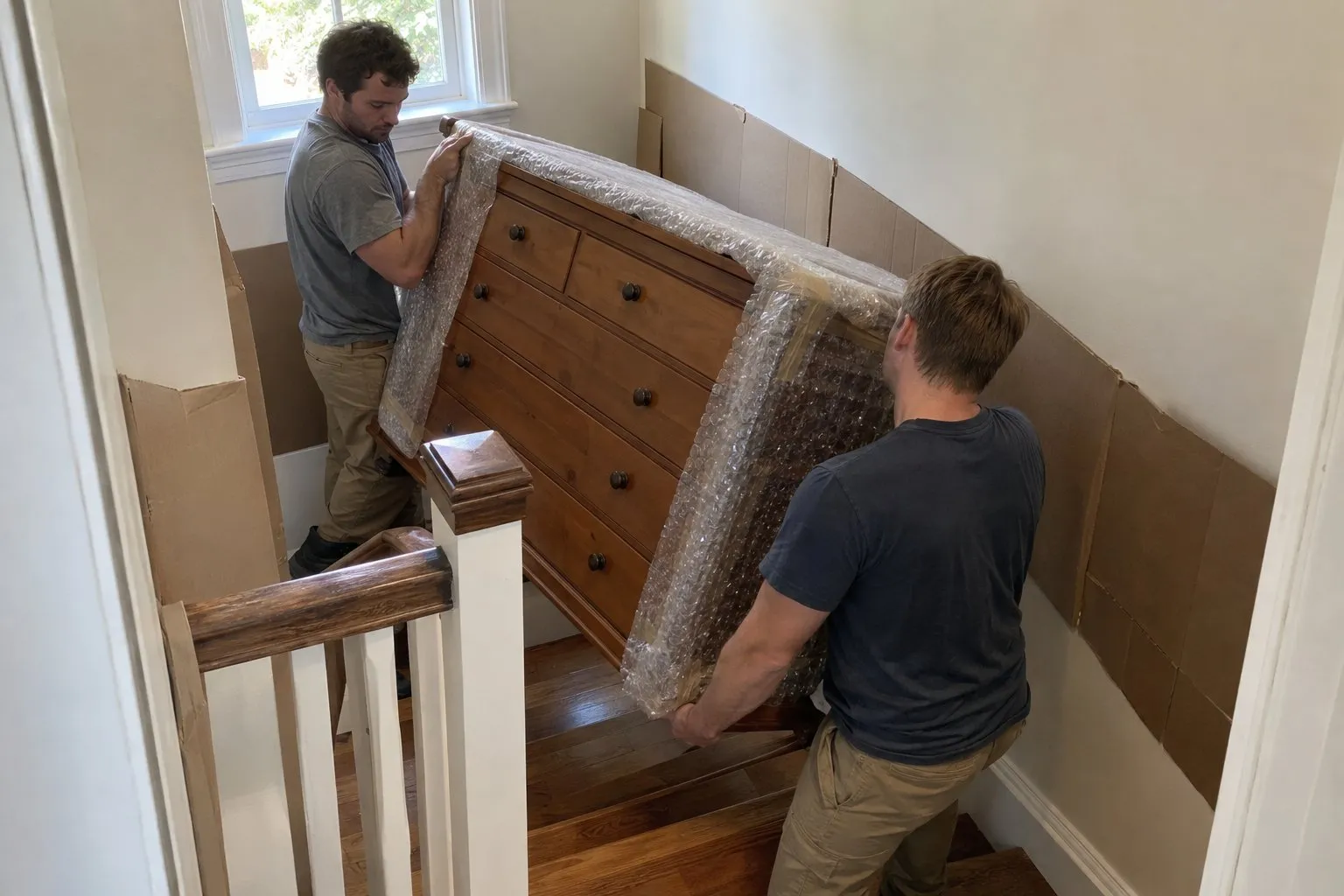
Whichever method you choose, the protection principles are the same: pad every corner, separate hard surfaces, and secure the item so it can't shift. A freight crate does this structurally; a local move depends on blankets, straps, and careful loading by hand.
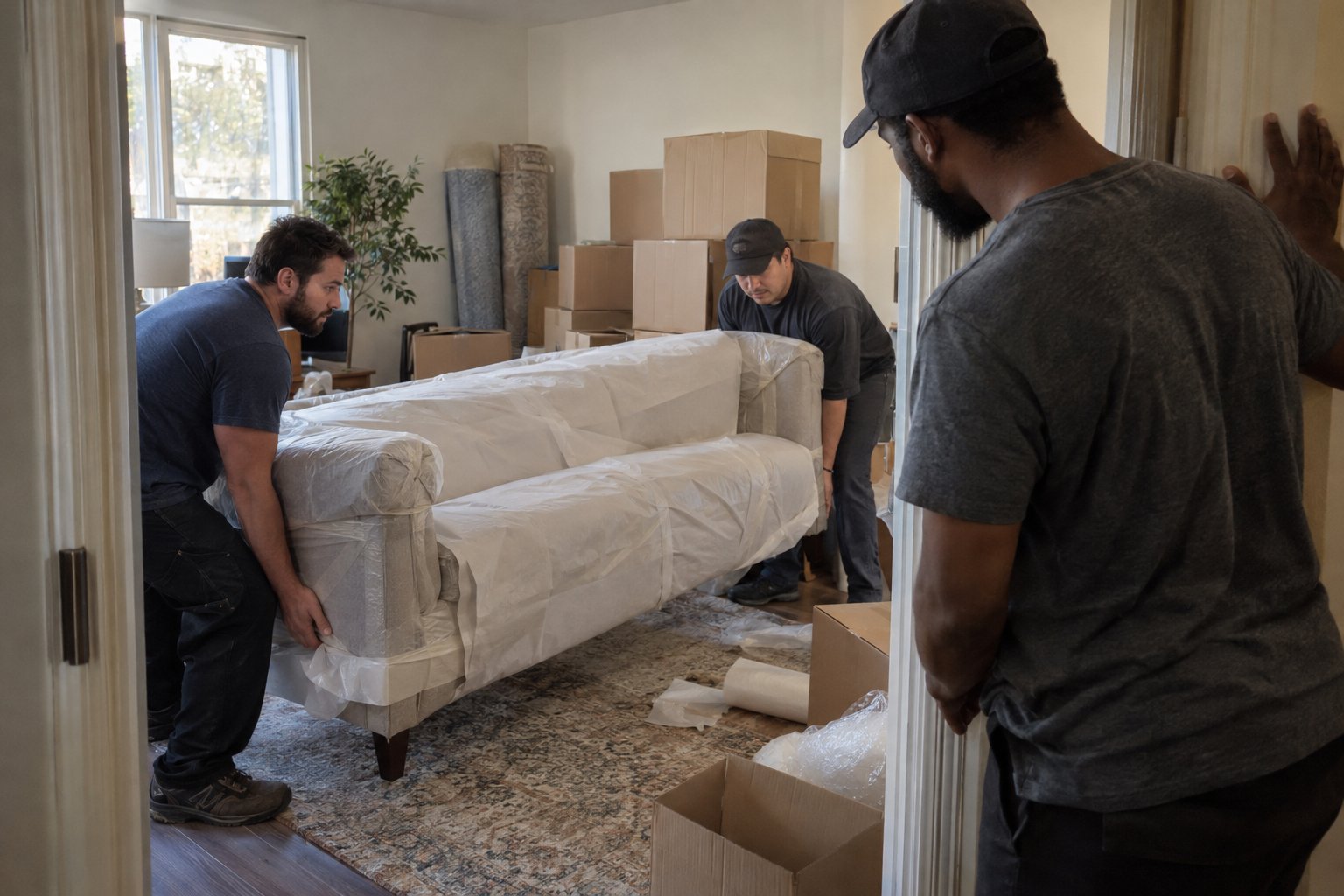
For local moves, a crew that knows how to wrap and load a single bulky item correctly is the difference between a piece arriving fine and arriving with a chipped corner. If you're also moving a couch at the same time, our guide on how to wrap a couch for moving the right way walks through the same wrapping principles in more detail.
When a Single Item Turns Into a Bigger Job
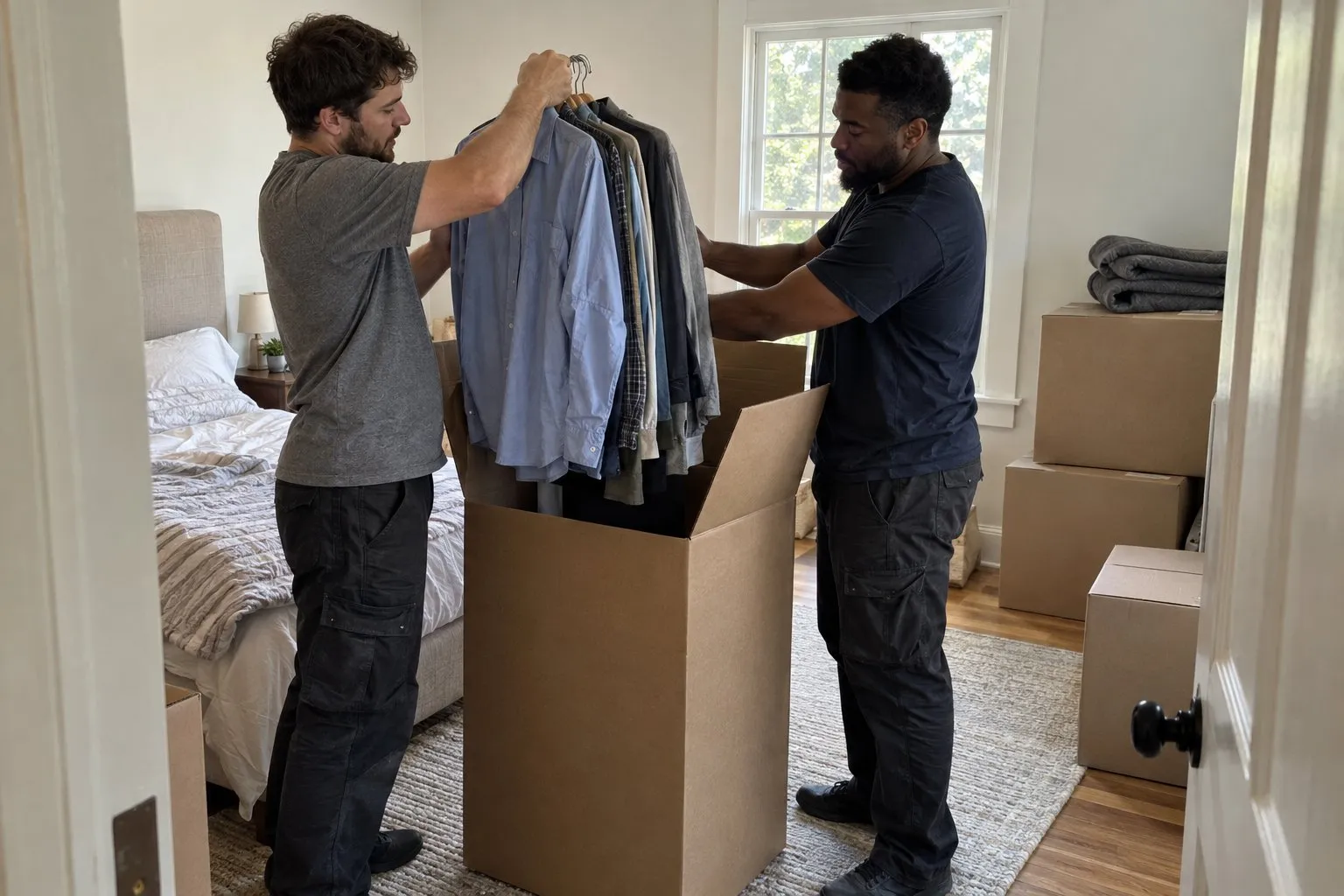
Sometimes "just one piece" becomes two or three once you start planning, especially if you're furnishing a new place gradually. If that happens, it's worth reassessing whether labor-only help for a short list of items still makes sense versus a larger move. Either way, get specifics on crew size and timing rather than guessing, since an extra item or two changes the labor needed more than people expect.



FAQs
No. Standard parcel carriers like USPS, UPS, or FedEx have weight and size limits that exclude most furniture. You need a freight carrier, a white-glove delivery service, or local transport for anything larger than a small side table.
Freight shipping for a single furniture item typically takes longer than a standard parcel because carriers consolidate shipments along a route rather than sending a dedicated truck. Expect a window measured in days to a couple of weeks depending on the carrier and distance, and confirm the estimated delivery window before booking.
For long distances, renting a vehicle and driving it yourself is rarely cheaper once you factor in fuel, tolls, and your own time, so freight or white-glove shipping is usually more practical. For local moves within the same metro area, driving it yourself with hired labor help is typically the cheaper route.
Most freight and white-glove carriers have a claims process, but coverage and documentation requirements vary widely between companies. Photograph the item before it ships and inspect it immediately on arrival so you have evidence if you need to file a claim.
Most freight and white-glove carriers have a claims process, but coverage and documentation requirements vary widely between companies. Photograph the item before it ships and inspect it immediately on arrival so you have evidence if you need to file a claim.
Still have questions?

How to move with us?
Hit the “Get a Quote” button and tell us what you need.
Choose the service, date, and time that work best for you.
Our friendly team shows up on time and gets everything done safely.
Sit back while we take care of the rest.
