
How to Prepare for Movers: What to Do Before the Labor Crew Arrives
Knowing how to prepare for movers before your labor-only crew arrives is one of the highest-leverage things you can do to make moving day faster, safer, and less expensive. When a professional crew shows up to load or unload your rental truck, every minute of preparation you've done in advance translates directly into fewer billable hours and a smoother overall experience. The inverse is also true — an unprepared home can turn a three-hour job into a five-hour one.
Ready to book a professional labor-only crew for your move? Call 224-404-0069 or get a free labor-only moving quote from Lift & Load today.
Why Preparation Makes or Breaks a Labor-Only Move
A labor-only moving crew is efficient precisely because they're focused entirely on the physical work — carrying, loading, unloading, and placing your belongings. What slows them down isn't the weight of furniture or the number of boxes; it's the time spent waiting for a path to be cleared, hunting for items that weren't staged, or working around obstacles that should have been addressed beforehand.
Unlike a full-service moving company that builds a buffer into their pricing and schedule for client-side delays, a labor-only crew is typically booked by the hour with a two- or three-hour minimum. That means your preparation has a direct and measurable financial impact. An hour of your time the night before can easily save an hour of crew time — and that's real money back in your pocket.
Step 1: Fully Pack and Label Every Box Before the Crew Arrives
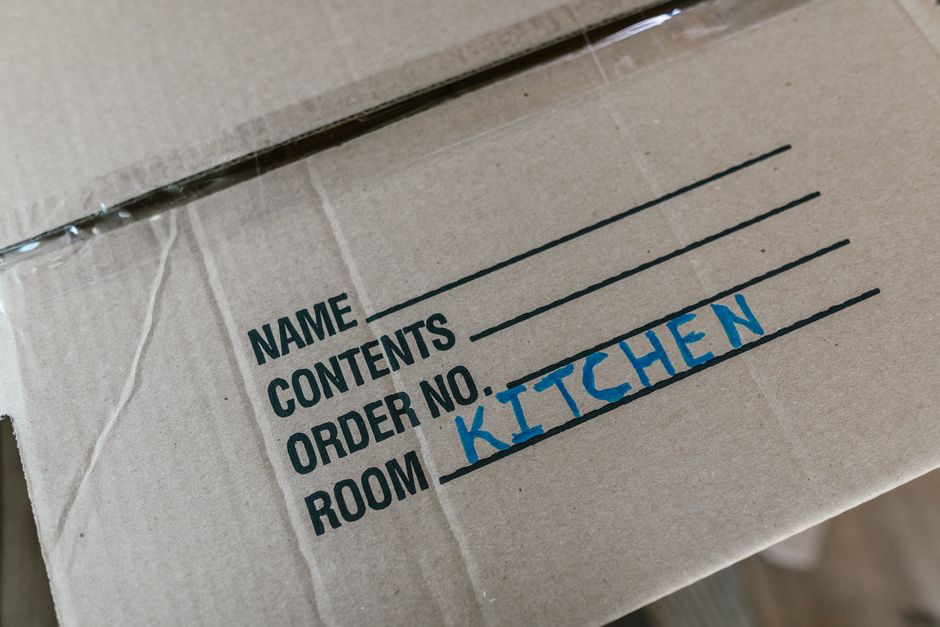
This is the single most impactful thing you can do before a labor-only crew shows up. Every box should be sealed, taped shut, and labeled with its destination room before your crew's arrival time. A moving crew is not a packing crew — their role is to carry things, not to wrap, box, or sort your belongings.
What "Ready to Move" Actually Looks Like
- All boxes taped and closed — no open-top boxes or loosely filled bags
- Boxes labeled by room — "Master Bedroom," "Kitchen," "Garage" — so the crew knows exactly where to set each one at the destination
- Fragile items clearly marked — write "FRAGILE" in large letters on at least two sides of any box containing breakables
- Boxes kept at a manageable weight — no box should exceed 50 pounds; books and heavy items go in smaller boxes
- Nothing still in drawers — dressers and nightstands move more safely when emptied of loose items
What About Loose Items?
Anything small enough to fit in a box should be in a box. Loose items scattered around a room slow down the loading process significantly and are far more likely to be damaged, lost, or accidentally left behind. If you run out of boxes, garbage bags work for soft goods like linens, pillows, and clothing — just make sure they're tied shut and clearly identified.
Step 2: Disassemble Large Furniture in Advance
Your labor crew can often disassemble and reassemble basic furniture, but having it done ahead of time keeps the momentum going. Bed frames, shelving units, sectional sofas, and modular furniture take meaningful time to break down — and that time adds up when crews are billing hourly.
Furniture to Prioritize for Pre-Disassembly
- Bed frames — remove the headboard, footboard, and side rails; bag all bolts and hardware and tape the bag directly to the frame
- Sectional sofas — separate all sections and remove any attached legs that unscrew
- Large desks and workstations — detach any hutch components and remove monitor arms or accessories
- Shelving and bookcases — remove all shelves and bag any shelf pins or clips
- Dining room tables — detach legs or apron sections if the design allows
When in doubt, check the manufacturer's assembly instructions in reverse. If a piece came in a flat box, it can almost certainly be broken down again. Keep all hardware in labeled zip-lock bags taped to the corresponding piece of furniture.
Step 3: Create a Clear Path From Every Room to the Exit
Movers carrying a heavy dresser through your home need a clear, unobstructed path from the room it's in to the front door — and that path needs to be wide enough for two people moving side by side with a bulky item. Walk through your home the evening before and think about every corner, narrow hallway, and tight doorframe along every possible route.
Common Obstacles to Address Before Moving Day
- Area rugs and runners — roll them up and lean them against a wall; loose rugs are a serious trip hazard during a move
- Shoe racks and entry furniture — move these out of the path entirely, not just to the side
- Stair railings — ensure they're tightly secured; a wobbly railing is a hazard when movers are leaning against it under load
- Pet gates and baby gates — remove from doorways and hallways entirely for moving day
- Low-hanging light fixtures — identify any that could be a hazard when large furniture is carried through; flag them with a piece of tape at eye level
Also confirm parking access for the rental truck or container before the crew arrives. A truck that can't pull close to the front door adds significant walking distance per trip — and over dozens of trips, that adds up to meaningful extra time.
Step 4: Protect Your Floors and Walls Before Anything Moves
Moving day is hard on homes. Hardwood floors scratch easily when furniture is slid rather than lifted. Door frames take corners from sofas and mattresses. Freshly painted walls get scuffed by boxes carried too close to the surface. Protecting these surfaces before the crew arrives lets everyone work quickly without worrying about every step.
Simple Protection Measures That Make a Real Difference
- Lay down floor protection — rosin paper, moving floor runners, or even old moving blankets over hardwood in high-traffic paths
- Pad door frames — use foam door frame protectors or wrap frames with moving blankets secured with painter's tape
- Cover banisters — a moving blanket draped over a banister and secured prevents finish damage when furniture is carried past
- Remove door stops — doors that swing freely are easier to prop open; remove floor-mounted stops that could catch a dolly
Step 5: Identify and Communicate Any Special Items or Access Challenges
The more information your labor crew has before they begin, the better they can plan their approach. When you first greet the crew lead, do a quick walkthrough and point out anything that needs special handling or that could create an unexpected complication.
Things Worth Flagging at the Start
- Items that won't be moved — clearly mark or set aside anything staying behind so there's no confusion mid-job
- Particularly heavy or awkward pieces — give the crew lead a heads-up on anything unusually heavy, oddly shaped, or especially fragile so they can plan their approach
- Tight stairwells or low ceilings — identify these in advance so the crew can discuss technique before attempting the carry
- Elevator access — if you're in an apartment building, confirm elevator reservations and key fob access are arranged before the crew arrives
- HOA or building rules — some buildings require protective coverings in elevators or restrict moving hours; know these rules and communicate them upfront
A five-minute walkthrough at the start of the job is time extremely well spent. It prevents mid-job surprises, helps the crew prioritize, and establishes clear communication for the rest of the move.
The Night Before: A Moving Day Prep Checklist
Use this final checklist the evening before your crew is scheduled to arrive to make sure nothing falls through the cracks:
- All boxes sealed, labeled, and staged near the exit point
- Large furniture disassembled; hardware bagged and labeled
- Clear walking paths through every room and to the front door
- Floor and wall protection staged and ready to lay down
- Rental truck confirmed and parking arranged
- Elevator or freight access reserved (if applicable)
- Items not being moved clearly set aside or labeled
- Moving blankets and any packing supplies accessible to the crew
- Crew arrival time confirmed; your contact number shared with the company
- Children and pets arranged to be out of the work area
If you work through this list the night before, you'll walk into moving day with confidence — and your crew will be able to hit the ground running from the moment they arrive.
Thinking about booking a labor-only crew for your upcoming move? Call 224-404-0069 or get a free quote from Lift & Load and find out how straightforward professional moving labor can be.







FAQs
Ideally, your home should be fully ready — boxes packed and sealed, furniture disassembled, and paths cleared — the evening before your crew is scheduled to arrive. Leaving preparation for the morning of moving day adds stress and often results in the crew waiting while you finish, which can increase your total billable hours.
Yes, it's best to empty dresser drawers before your labor crew arrives. Full drawers add significant weight to an already heavy piece of furniture, making it harder and more dangerous to carry — especially up or down stairs. Loose items inside drawers can also shift and cause damage during the move. Pack drawer contents into boxes or bags and move them separately.
Disassembling large furniture before the crew arrives is strongly recommended. Bed frames, sectional sofas, large desks, and modular shelving all take time to break down — time that's billable when your crew handles it. Doing this work the night before keeps the crew focused on carrying and loading rather than assembly tasks, which reduces your overall job time.
Lay down floor protection — rosin paper, moving floor runners, or moving blankets — along high-traffic paths before the crew begins. Pad door frames using foam protectors or moving blankets secured with painter's tape. Also cover banisters and remove any floor-mounted door stops that could catch a dolly. Taking 20 to 30 minutes to protect your home before the first item is carried out dramatically reduces the risk of scratched floors and scuffed walls.
Lay down floor protection — rosin paper, moving floor runners, or moving blankets — along high-traffic paths before the crew begins. Pad door frames using foam protectors or moving blankets secured with painter's tape. Also cover banisters and remove any floor-mounted door stops that could catch a dolly. Taking 20 to 30 minutes to protect your home before the first item is carried out dramatically reduces the risk of scratched floors and scuffed walls.
Still have questions?
How to move with us?
Hit the “Get a Quote” button and tell us what you need.
Choose the service, date, and time that work best for you.
Our friendly team shows up on time and gets everything done safely.
Sit back while we take care of the rest.
.avif)