
Strategic Insights for a Successful Move to New Orleans

Relocating to the "Big Easy" represents a shift toward a lifestyle defined by historic soul, world-class culinary traditions, and a rhythm of life found nowhere else in the United States. New Orleans is characterized by its evocative geography—perched between the Mississippi River and Lake Pontchartrain—creating a lush, subtropical environment where 18th-century European architecture meets a vibrant, modern cultural economy. As of 2026, the city’s population is approximately 375,000 residents, reflecting a resilient community that values neighborhood connection and artistic expression above the typical metropolitan hustle.
When you organize a move to New Orleans, working with professional local movers ensures your transition begins efficiently, especially when navigating the city’s unique neighborhoods and climate conditions. You are entering a region that successfully balances deep-rooted historical preservation with a supportive, modern technical and medical infrastructure.
The city’s primary "claim to fame" is its status as the birthplace of jazz and the home of Mardi Gras, though its influence extends far beyond festive parades. It is a global hub for maritime trade and a rising center for the biosciences. From the colorful Creole cottages of the Marigny to the grand, oak-lined avenues of the Garden District, New Orleans offers a grounded sense of community and a robust cultural foundation. Navigating a successful physical transition to this historic port city requires local knowledge of its unique neighborhood layouts and humid climate, ensuring you are settled in without unnecessary complications.
Optimize Your Transition with Lift and Load
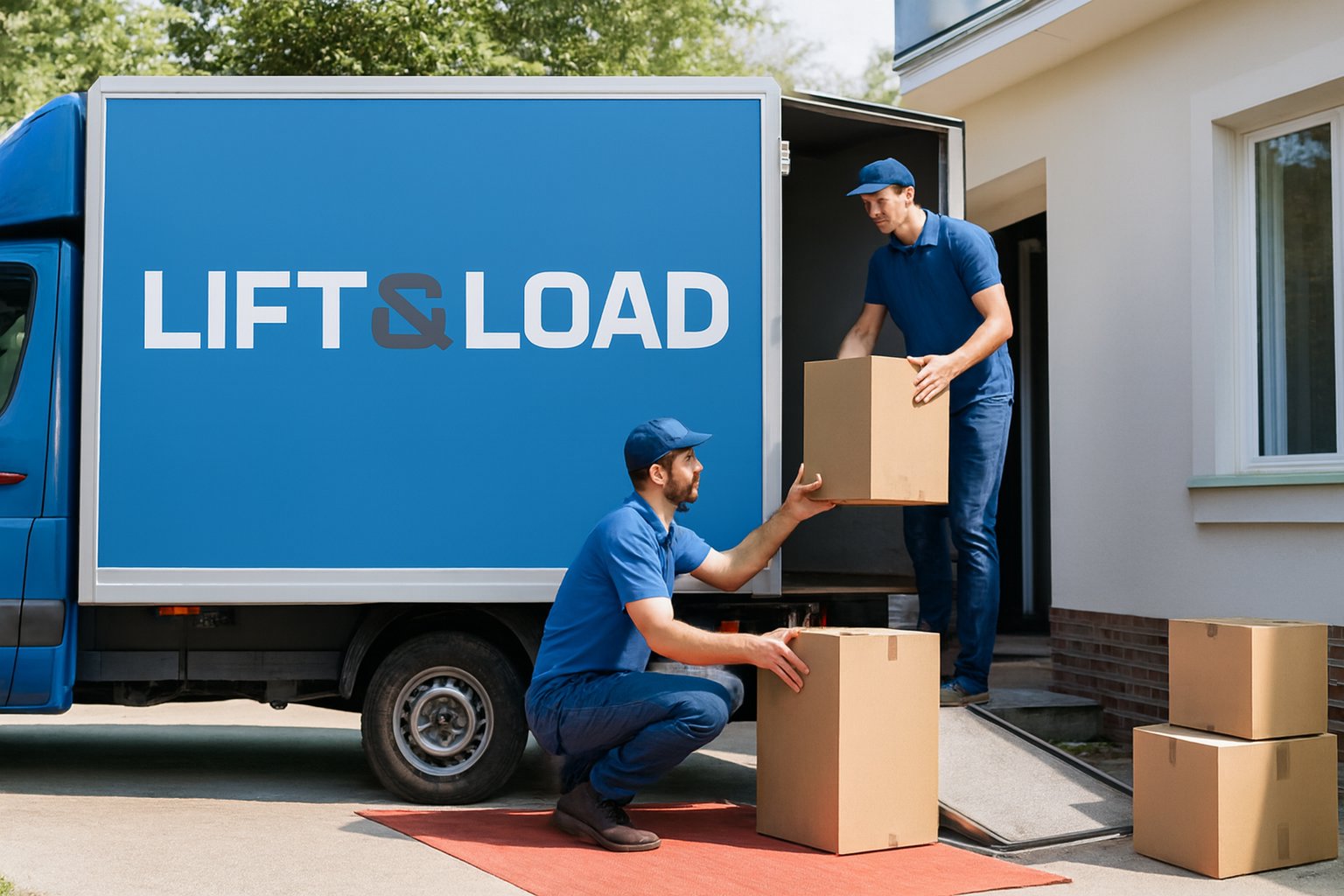
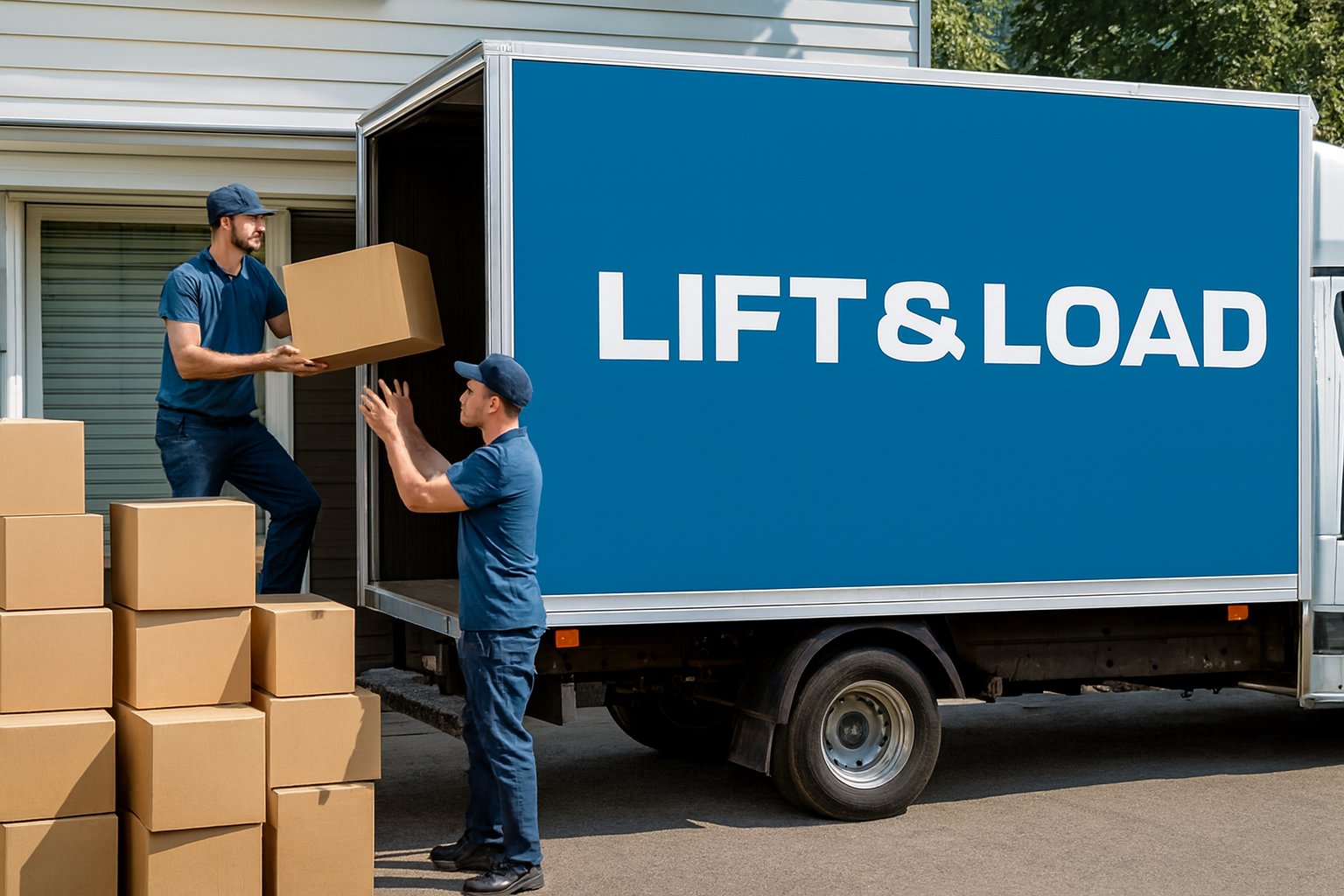
A move to New Orleans—whether you are heading to a modern loft in the Warehouse District or a historic shotgun home in Uptown—requires advanced logistics and supportive handling to manage the unique urban geography and humid conditions. Lift and Load specializes in clear planning to get your property settled safely into your new New Orleans home.
Get Your Customized Moving Estimate
New Orleans Weather and Climate: A Strategic Breakdown
Understanding New Orleans’ humid subtropical climate is essential for organizing a physical transition. The weather dictates the rhythm of daily life and moving logistics, especially regarding moisture protection for your property. If you plan a move to New Orleans, you must account for these seasonal variations.
Spring (March – May): Spring is often considered the most pleasant season. Temperatures range from the 60s to high 70s°F. This is an active time for a move, though you must prepare for occasional heavy rain showers that characterize the Gulf Coast region.
Summer (June – August): Summers are hot and intensely humid, with highs reaching the 90s°F. Tropical moisture is a daily reality. Moving during this window requires advanced hydration for crews and quick loading to protect furniture from sudden afternoon downpours.
Autumn (September – November): This is the city’s "Indian Summer." The humidity breaks in October, providing crisp, clear days. This is a premier window for moving, as the weather is stable and the temperatures are supportive for heavy labor.
Winter (December – February): Winters are mild and damp. While freezing temperatures are rare, the high humidity can make a 45°F morning feel much colder.
Best Time to Move: The most predictable and comfortable weather for moving occurs in late October and November. During this window, you avoid the extreme summer heat and the peak of the Atlantic hurricane season, ensuring a smooth arrival.
Cost of Living and Housing in New Orleans
A major financial consideration for anyone deciding to move to New Orleans is the city’s relatively approachable housing market compared to other major coastal hubs. New Orleans offers a diverse range of price points that align with localized salaries and professional opportunities.
The cost of housing is the most significant localized variable. As of early 2026, the median home value in New Orleans is approximately $330,000, which is below the national average. However, prices vary significantly by neighborhood. In high-demand zones like the Garden District or Lake Shore, prices can exceed $600,000. Conversely, emerging residential areas in Gentilly offer much more approachable entries, with values often around $250,000.
Rental trends follow a similar pattern. The average rent for all property types in New Orleans is roughly $1,675 per month, which is about 12% lower than the national average. A one-bedroom apartment in the historic French Quarter may command $1,400, while larger three-bedroom homes in Uptown often reach $2,000 or more.
Economy and Job Market in New Orleans
The New Orleans economy is resilient and leads the South in several high-growth sectors.
Getting Around: New Orleans Transportation Infrastructure
Transportation in New Orleans is a blend of historic charm and modern utility.
Professional Moving Tips: Strategic Relocation
Organizing a move to New Orleans requires specific planning for moisture and logistics. Clear planning ensures your transition is supportive and organized.
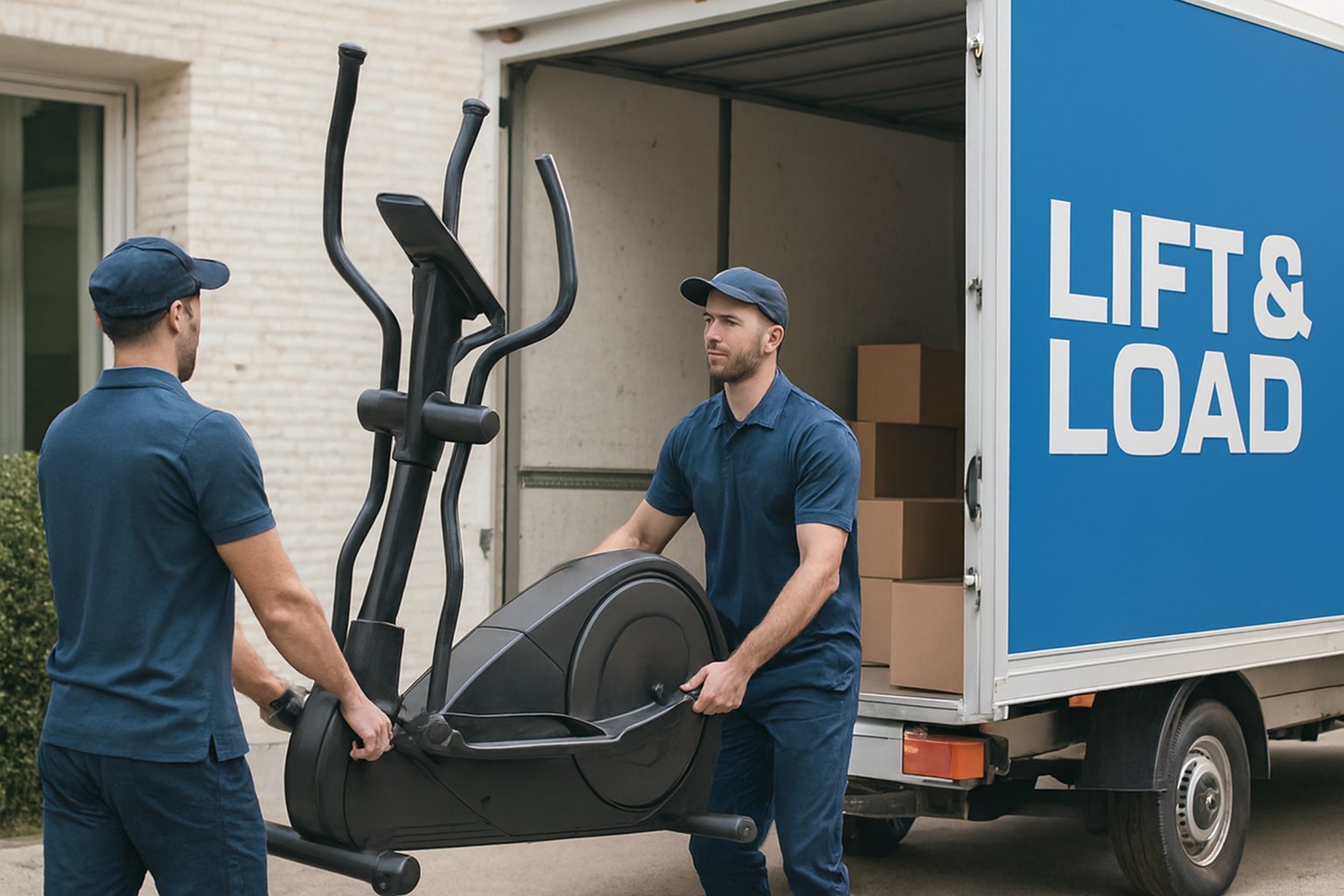
Moisture Protection: The humidity in New Orleans is a constant factor. When packing, using expert packing services can help safeguard furniture, electronics, and valuables from moisture damage during transit.
Downsize for shotgun homes: Historic shotgun homes are narrow and deep. Before you leave, measure your large furniture to ensure it can clear localized architectural constraints.
The "Parking Permit" Strategy: In dense areas like the French Quarter or Marigny, parking a moving truck is difficult. Lift and Load helps coordinate localized solutions.
Community Knowledge: Choose a moving company familiar with navigating tight streets and humid conditions.
Address Change and Registration: Louisiana law requires updates within 30 days of residency.
Organize Your Transition with Lift and Load
A move to New Orleans is a big step toward a life of culture and historic beauty. The Big Easy offers a supportive environment grounded in localized community and cultural preservation. Organizing a successful relocation helps set a positive tone for your entire journey.
At Lift and Load, we understand the specific logistical steps needed to move your property safely over long distances and through variable weather patterns. Whether you're relocating across states or planning a major transition, working with trusted long-distance movers ensures a smooth, efficient experience from start to finish.
Call Lift and Load at 224-404-0069 or email us today to organize your free moving estimate.





FAQs
No. New Orleans is more affordable than most coastal cities. Housing and rental costs are significantly lower than the national average, providing a grounded cost of living.
October or November. You avoid the extreme summer humidity and the peak of hurricane season while enjoying the clearest and most comfortable outdoor weather.
In central neighborhoods like the French Quarter or Garden District, a car is optional due to high walkability. However, a vehicle is helpful for daily tasks in suburbs.
The market moves fast. Have your credit report and security deposit ready as soon as you find a localized neighborhood that fits your lifestyle.
The market moves fast. Have your credit report and security deposit ready as soon as you find a localized neighborhood that fits your lifestyle.
Still have questions?
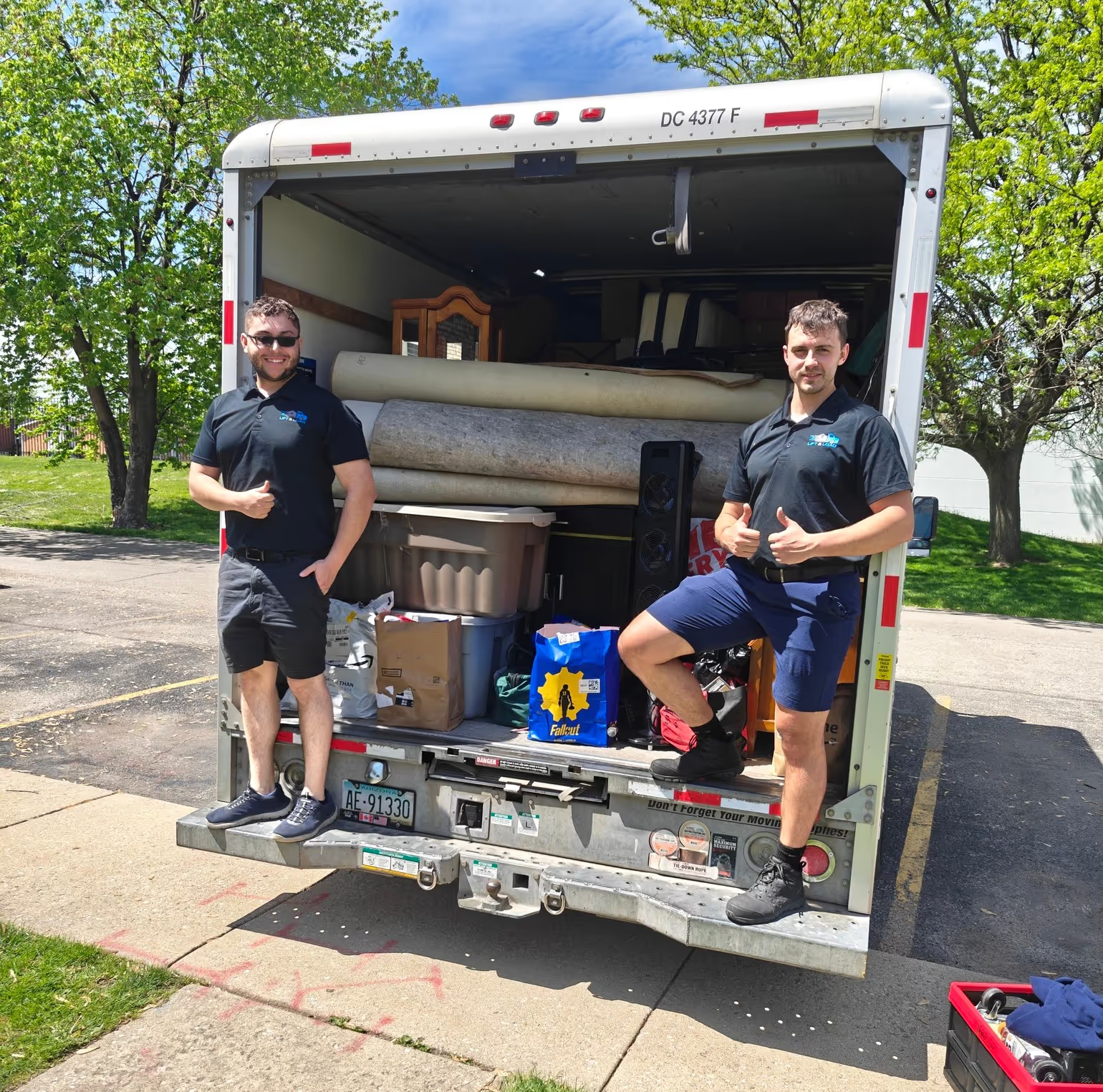
How to move with us?
Hit the “Get a Quote” button and tell us what you need.
Choose the service, date, and time that work best for you.
Our friendly team shows up on time and gets everything done safely.
Sit back while we take care of the rest.
.avif)