
Moving Your Personal Library

In the moving industry, we often see people underestimate the complexity of transporting a private book collection. Many assume that because books are durable, they can be tossed into any container without much thought. However, true bibliophiles know that a library is more than just paper; it is a lifetime of gathered wisdom, and working with experienced teams that offer professional moving support such as Lift and Load Moving can make a significant difference.
The weight of knowledge is literal when you begin boxing up hundreds of hardcovers and paperbacks. A single box can quickly exceed safe lifting limits if you do not understand the mechanics of weight distribution. Approaching this task with a professional mindset ensures that your spine stays as healthy as the book spines you cherish.
When we consider the total volume of a large home library, it is not uncommon to move upwards of 1200 individual volumes during a single residential transition. This scale requires a strategic perspective on organization and physical safety. Understanding how to pack books for moving is a fundamental skill for any serious collector or homeowner.
Choosing the Proper Vessel for Your Collection
The most common mistake people make is selecting boxes that are far too large for heavy literary items. Small, heavy duty cardboard boxes are the only acceptable choice for a dense collection of reading material. Using large boxes leads to structural failure and potential injury for the person tasked with carrying the load.
Professional movers prioritize the integrity of the container over the speed of the packing process. You want to ensure that each box remains manageable and does not bow at the bottom under extreme pressure. High quality tape applied in a reinforced H pattern across the seams provides the necessary support for your heavy cargo.
While a small box might seem inefficient at first glance, it actually streamlines the entire loading process. These compact units are easier to stack and secure within a moving truck, preventing shifts during transit. Consistency in box size allows for a more stable base when creating rows inside the professional transport vehicle.
The Art of Arrangement and Orientation
There are three primary ways to position your books to ensure they survive the journey without warping. Packing books flat on their sides is generally the safest method for most standard sized volumes. This orientation prevents the pages from sagging or the covers from bending under the weight of the items placed above.
Alternatively, you can place books upright as if they were sitting on a shelf, with their spines facing the side. Never pack books with the spines facing up, as this can cause the binding to crack and the pages to fall out. Maintaining the structural alignment of the book is essential for long term preservation during a move.
For those with a mix of different sizes, the spine to spine method can be very effective. This involves placing books next to each other so their spines support one another, preventing the covers from interlocking. Careful placement minimizes friction and ensures that delicate dust jackets do not tear when the box experiences minor vibrations.
Protecting Valuable and Rare Editions
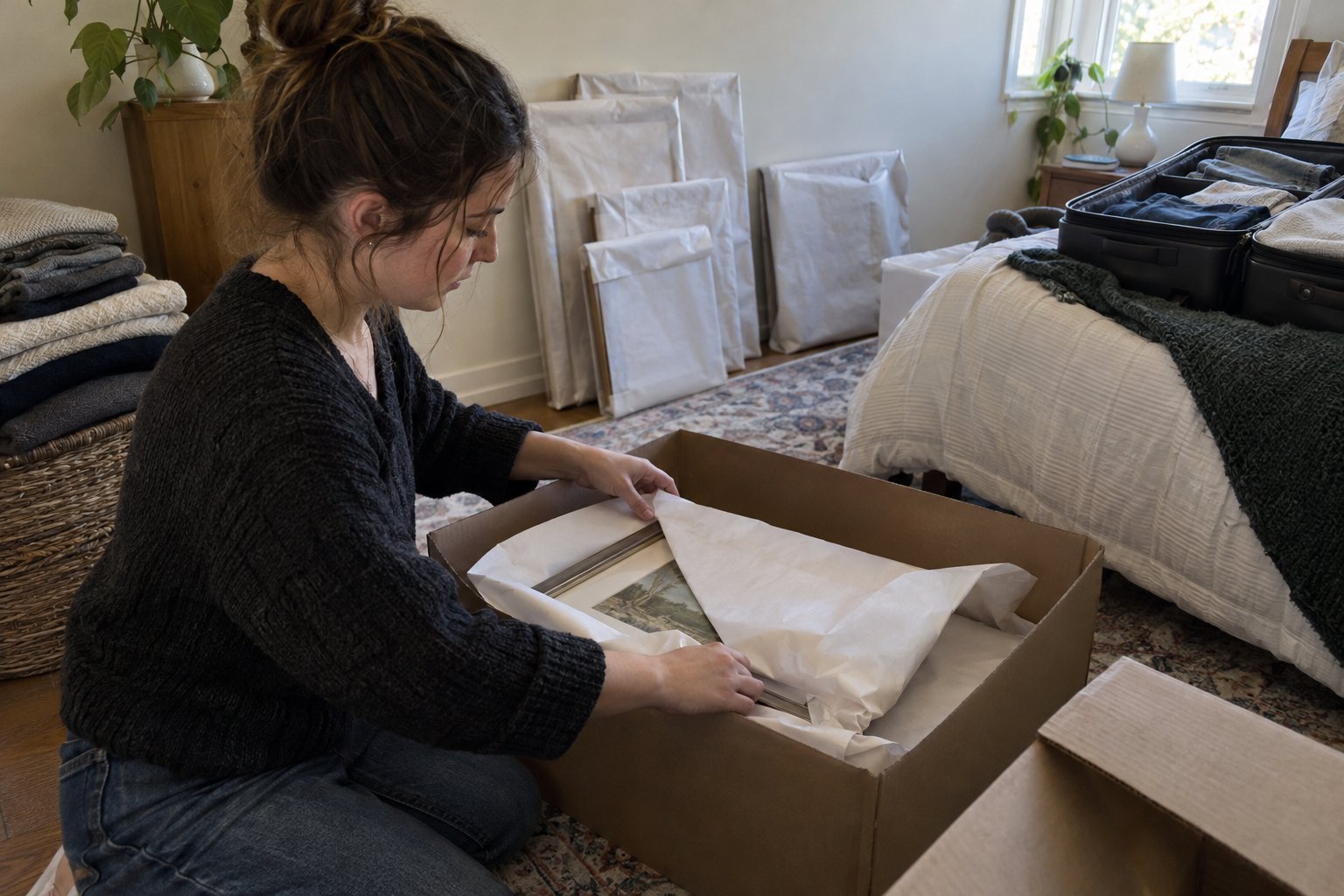
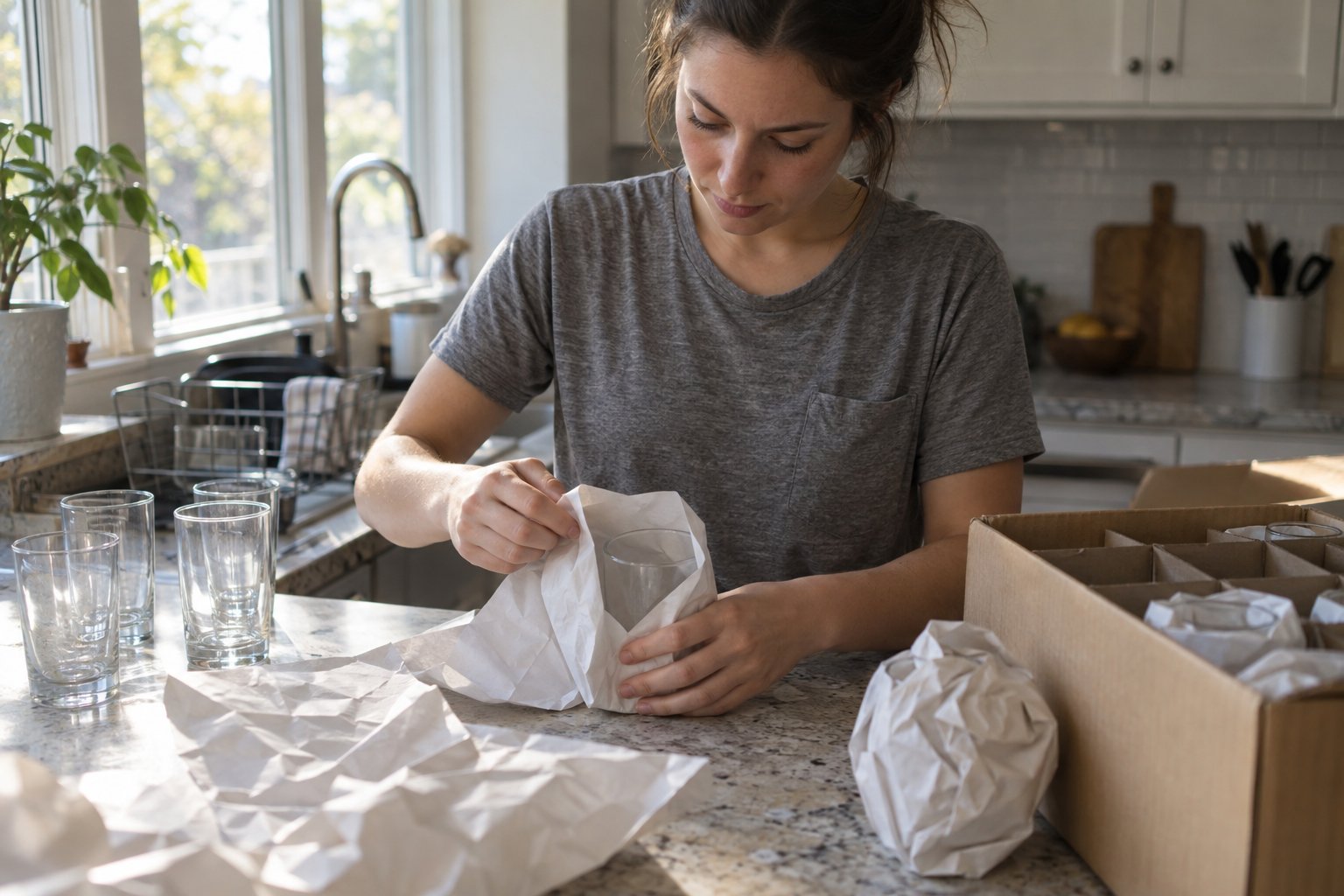
Rare books and family heirlooms require a higher level of care that goes beyond standard packing techniques. Acid free tissue paper should be used to wrap individual volumes before they ever touch a cardboard surface. This barrier protects the leather or cloth bindings from the natural acidity found in most common shipping materials.
When dealing with a collection that might include 1200 pages of delicate historical text, moisture control becomes a top priority. Silicia gel packets tucked into the corners of the box can help regulate humidity during the move. This is especially important if your books will be spending any time in a storage unit.
Avoid using newsprint directly against the covers of your books, as the ink can easily transfer and cause permanent damage. Instead, use clean packing paper or bubble wrap to fill any remaining gaps in the box. A snug fit is vital because it prevents the books from sliding around and causing internal damage.
Strategic Labeling and Home Library Logistics
Label every box with the specific genre or room location to make the unpacking process much faster. If your move is within the same city, coordinating with reliable local residential moving services can streamline the loading and unloading process.
Include a weight warning on any box that feels particularly dense or contains heavy coffee table books.
Number your boxes and keep a master list that describes the contents of each specific container.
Mark boxes containing fragile first editions as top load only to prevent them from being crushed.
Note the orientation of the box clearly so movers know which side should remain facing upwards.
Maintaining Your Physical Health During the Process
Lifting dozens of book boxes requires proper technique to avoid chronic back pain or acute muscle strain. Always bend at the knees and use your legs to power the lift rather than leaning over with your back. Keeping the load close to your center of gravity provides the most control and safety.
It is easy to get caught up in the momentum of packing, but taking frequent breaks is necessary for safety. Physical fatigue leads to poor form, which is when most accidents happen during a residential move. Hydration and stretching keep your body resilient enough to handle the repetitive nature of moving a large library.
If you find that your collection is simply too massive to handle alone, professional assistance is a wise choice. Expert movers have the equipment and the experience to handle heavy boxes with efficiency and care. Outsourcing the most labor intensive parts of the move allows you to focus on settling into your home.
Preserving Your Legacy for the New Home
Moving a library is not just about logistics; it is about respecting the items that represent your personal history. When you arrive at your new destination, unpack the books as soon as possible to let them breathe. Storing books in boxes for long periods can lead to a musty smell or permanent warping.
Take the opportunity to clean your bookshelves before you begin the reordering process in the new space. Placing your collection back onto the shelves is the final step in making a new house feel like a home. It is a rewarding experience that marks the successful conclusion of a well planned moving strategy.
Protecting Your Intellectual Assets
The transition between homes should be a time of excitement rather than a period of stress and damaged property. Our team specializes in the careful handling of heavy, high value items that require a gentle touch. We understand that your books are irreplaceable parts of your life and treat them with the utmost respect, whether you are moving across town or working with long-distance relocation specialists.
Our professional staff is ready to assist you with the heavy lifting and strategic planning required for a library move. Reach out to Lift and Load at 224-404-0069 to discuss your specific needs with a moving expert. You can also email us at piotr@liftandloadmoving.com to learn more about our dedicated packing and transportation services.
FAQs
Small, reinforced cardboard boxes are the best choice for books because they prevent the total weight from becoming unmanageable. A box larger than 1.5 cubic feet can easily become too heavy for a single person to lift safely. Using small boxes also protects the structural integrity of the containers.
You can protect covers by wrapping individual books in acid free paper or using clean packing paper to fill gaps. Placing books spine to spine prevents the edges from catching on each other. Avoid using old newspapers as the ink can rub off on your covers and cause permanent staining or discoloration.
Plastic bins offer good protection against moisture but can be prone to cracking if they are overfilled with heavy books. If you choose plastic, ensure the lids fit securely and do not stack them too high. Cardboard is often preferred for its breathability and ease of stacking in a moving truck.
Rare books should be wrapped individually in bubble wrap and placed in a box with extra padding on all sides. For extremely valuable items, consider transporting them in your personal vehicle rather than on the moving truck. This ensures they stay in a climate controlled environment and under your direct care.
Rare books should be wrapped individually in bubble wrap and placed in a box with extra padding on all sides. For extremely valuable items, consider transporting them in your personal vehicle rather than on the moving truck. This ensures they stay in a climate controlled environment and under your direct care.
Still have questions?
How to move with us?
Hit the “Get a Quote” button and tell us what you need.
Choose the service, date, and time that work best for you.
Our friendly team shows up on time and gets everything done safely.
Sit back while we take care of the rest.
.avif)