
What to Do With Furniture and Boxes Movers Won't Take
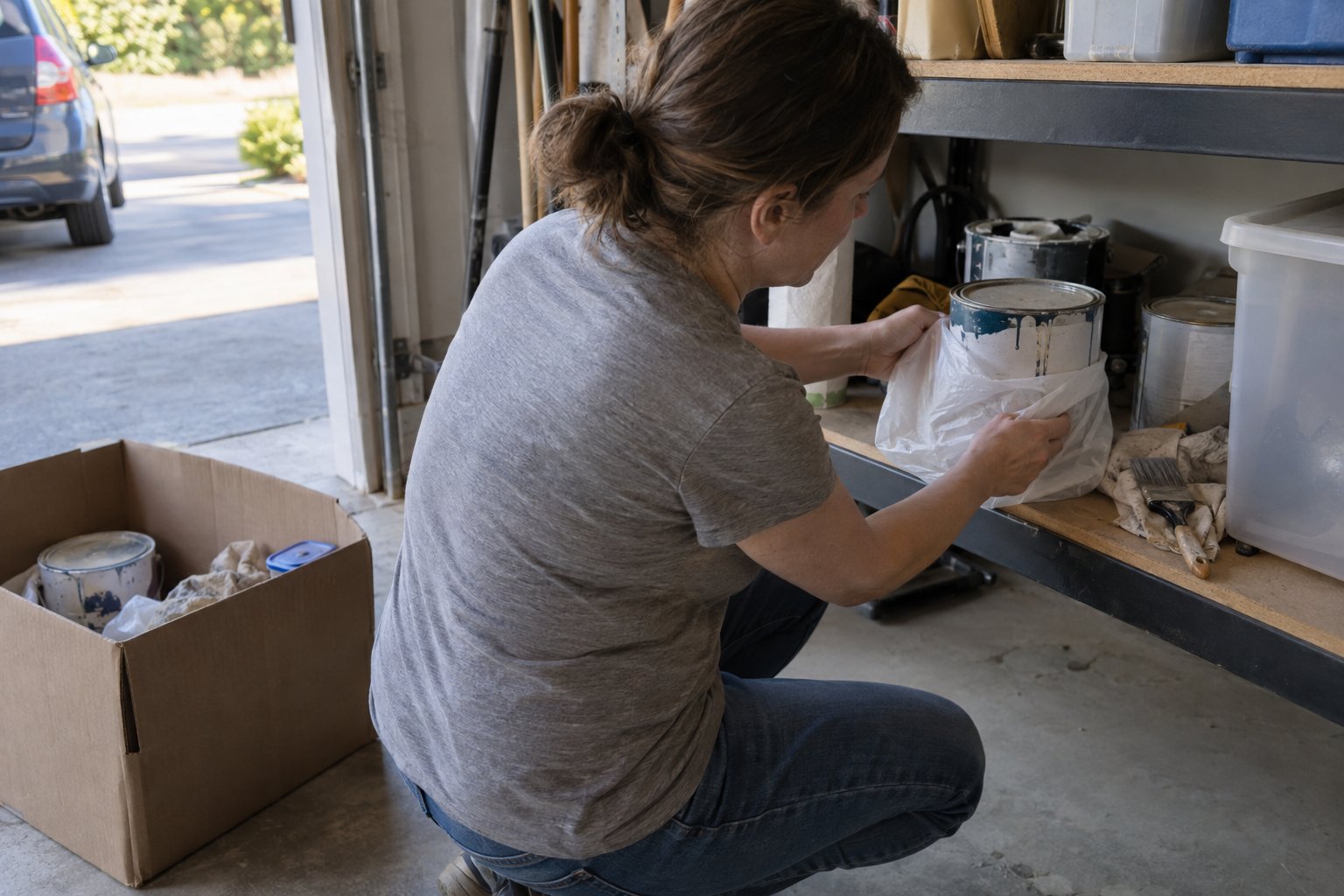
Movers will not load hazardous materials, perishable food, live plants and animals, loose valuables like cash or jewelry, and certain oversized or improperly prepared items. Knowing this list before your labor crew shows up saves you from a last-minute scramble and keeps your move on schedule. Most of these restrictions exist for safety or liability reasons, not because a crew is being difficult.
This matters more for a labor-only move than a full-service one. When you book a labor-only moving crew, you are usually supplying the truck or container yourself, which means you are the one who decides what gets loaded. If a crew arrives and finds a propane tank still hooked to the grill or a fish tank still full of water, they cannot legally or safely move it, and that item becomes your problem to solve on the spot.
What Movers Won't Take: The Core Categories
Most items movers refuse fall into five groups: hazardous materials, perishables, living things, loose valuables, and anything improperly packed or disassembled. A reputable crew will flag these ahead of time if you ask, but the responsibility to remove or prepare them usually falls on you.
Understanding the reasoning behind each category makes it easier to plan around it instead of being surprised on moving day.
Hazardous and Flammable Materials
Propane tanks, gasoline, motor oil, paint thinner, aerosol cans, pool chemicals, and fireworks are standard refusals across the moving industry. These items pose fire, explosion, or spill risks inside a packed truck, and most carriers' insurance policies explicitly exclude damage caused by them. If you have an outdoor grill with a propane tank attached, disconnect the tank and either drop it at an exchange location or dispose of it separately before the crew arrives.
Perishable Food and Plants
Frozen and refrigerated food generally will not survive a move anyway, and movers avoid loading it because spills and spoilage damage everything nearby. Live plants are a similar story: temperature swings inside a closed truck can kill them within hours, and some crews decline to handle soil-filled pots for that reason alone. If you are relocating a serious collection of larger potted plants, plan on transporting them yourself in a climate-controlled vehicle rather than handing them to the crew.
Cash, Jewelry, and Irreplaceable Documents
Movers won't accept liability for loose cash, jewelry, or original documents like birth certificates, passports, or property deeds, and most will ask you to keep these on your person instead of packing them in a box. This isn't about trust so much as insurance: moving policies typically exclude coverage for these categories entirely, so a crew has no way to make you whole if something goes missing.
Why Do Movers Refuse Certain Items?
Movers refuse items mainly for three reasons: legal liability, insurance exclusions, and physical safety on the job. A crew that ignores these boundaries risks a workplace injury, a damaged truck, or a claim their insurance won't cover, so the refusal protects both the mover and the customer.
Some restrictions are set by the moving company itself, and others come from state transportation regulations governing what can legally travel in a commercial vehicle. Either way, asking your crew for their specific list before moving day is the fastest way to avoid a surprise, and it's worth doing at the same time you confirm what your labor crew will cost per hour so you can budget for any separate transport you'll need to arrange.
Items That Need Extra Prep, Not Outright Refusal
Some items aren't banned outright, but movers will decline to touch them until you've done specific prep work first. This is different from a hard refusal: the crew is willing to move the item, but only once it's in a state they can safely handle.
- Gun safes and firearms: ammunition must usually be removed and transported separately, and the safe itself needs to be unloaded and empty before lifting. A gun safe moving checklist covers the full prep sequence.
- Fish tanks: water, gravel, and fish need to come out before the tank can be moved; a crew won't lift a full aquarium. See our guide on moving a fish tank without harming your fish for the draining and transport steps.
- Washers and dryers: hoses need to be disconnected and drained, and drums often need to be secured to prevent damage in transit.
- Filing cabinets and dressers: full drawers add unpredictable weight and can slide open mid-lift, so crews typically ask that they be emptied first.
If you're unsure whether an item needs prep, it's worth checking a dedicated guide before the crew arrives so you're not doing the work while they wait on the clock.
How to Confirm What Your Crew Will and Won't Move
The most reliable way to confirm what your crew will move is to ask directly when you book, not on move day. Reputable labor-only companies keep a written list of restricted items and will send it to you ahead of time if you request it.
When you get your quote, ask specifically about anything unusual in your home: hot tubs, safes, exercise equipment, or large amounts of alcohol are common gray areas that vary by company. Getting this confirmed early means you can arrange separate transport for anything the crew won't touch, rather than discovering it while they're standing in your living room.
Getting Ready So Nothing Gets Left Behind
The goal is to have every restricted item already removed, disposed of, or set aside for separate transport before your crew's arrival window starts. A labor-only crew is billed by the hour, so time spent figuring out what to do with a propane tank or a half-full aquarium is time you're paying for.
Walk through your home the day before with the restricted list in hand. Check the garage for chemicals and fuel, the kitchen for perishables, and any room with a safe, tank, or major appliance for prep work that still needs to happen. Pairing this walkthrough with a broader look at how to prepare for movers before the crew arrives means your team can focus entirely on lifting and loading instead of triage.
If you're still finalizing details before your move, our team can walk through your specific inventory and flag anything that needs special handling when you get a moving quote.


FAQs
No. Propane tanks need to be disconnected before movers will load the grill, and most crews will not transport the tank itself at all. Plan to drop it at a propane exchange or dispose of it separately before moving day.
Generally no. Ammunition typically has to be removed and transported separately from a gun safe due to transportation regulations and insurance exclusions. Empty the safe of both valuables and ammunition before your crew arrives.
Some crews will decline a visibly soiled or bedbug-affected mattress, or require it to be wrapped in a sealed mattress bag before they will handle it. Check with your specific company, since policies vary.
Many companies place limits on how much alcohol they will move, partly due to state regulations on transporting alcohol commercially. If you have a large collection, ask your crew about their specific policy when you book.
Many companies place limits on how much alcohol they will move, partly due to state regulations on transporting alcohol commercially. If you have a large collection, ask your crew about their specific policy when you book.
Still have questions?
How to move with us?
Hit the “Get a Quote” button and tell us what you need.
Choose the service, date, and time that work best for you.
Our friendly team shows up on time and gets everything done safely.
Sit back while we take care of the rest.
.avif)