
How Many Movers Do You Need to Load a Storage Unit or PODS Container?
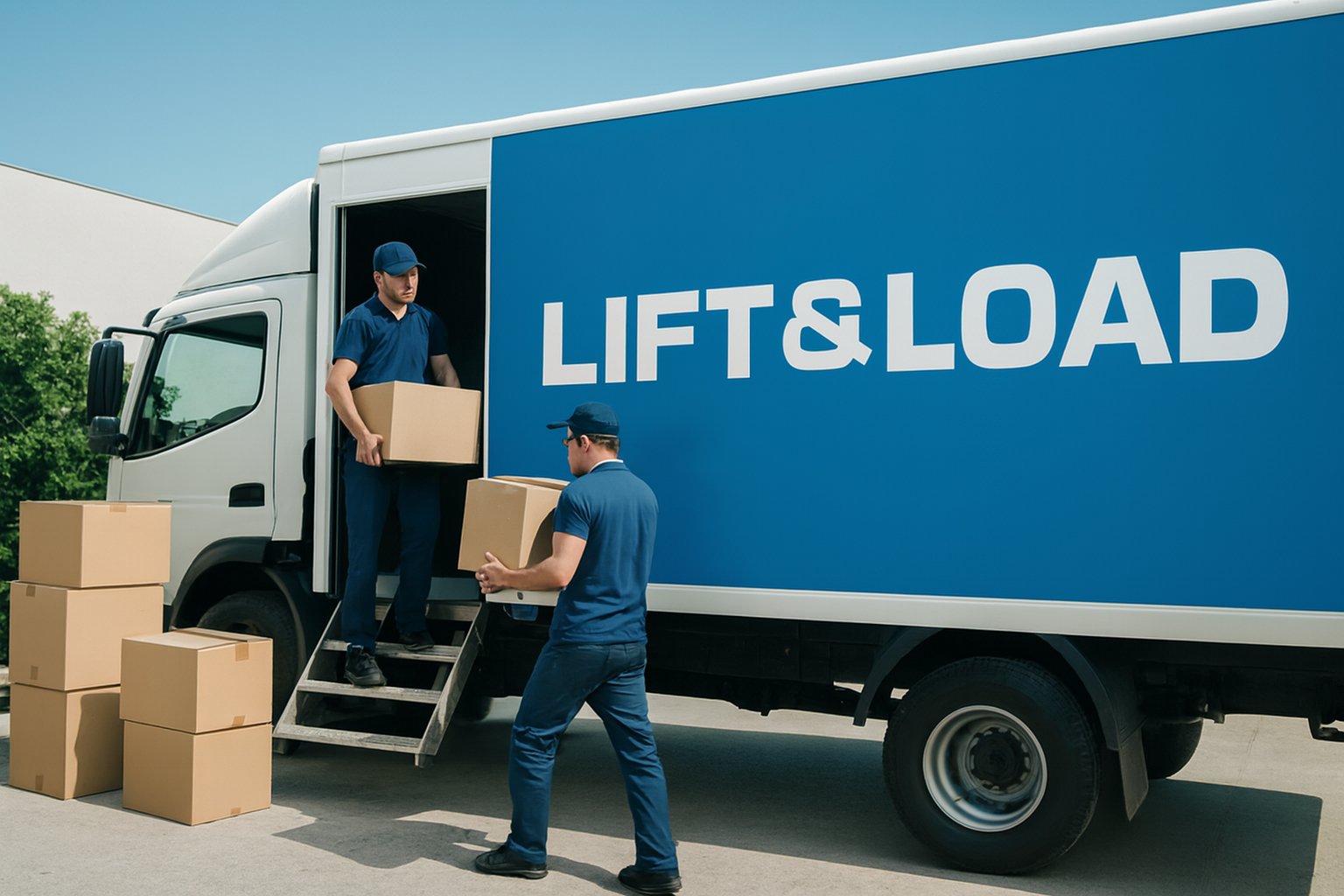
Loading a storage unit or a PODS-style container usually takes two movers for a small 5x10 unit and three to four movers for a 10x20 unit or a full household load. The right number depends less on square footage and more on how tightly the space needs to be packed, since a storage container rewards dense, wall-to-wall stacking in a way a moving truck usually does not. Get the crew size wrong and you either pay for idle hands or spend your Saturday afternoon restacking a unit that was loaded too loosely to hold everything.
This is a different labor question than sizing a crew for a home-to-home move. Storage and container loading is its own job: no second address, no unloading at the other end that same day, and a hard constraint on cubic footage that rewards a specific loading order. If you are booking a labor-only moving crew just to fill a unit or a container, here is how to think about the headcount.
How Many Movers Does It Take to Load a Storage Unit?
Most 5x10 units take two movers roughly two to three hours to load from a driveway or curb. A 10x15 or 10x20 unit, or a container meant to hold a one to three bedroom household, usually needs three to four movers working three to five hours. Beyond four people, a single storage unit or container gets crowded fast and productivity drops rather than rises.
This differs from a home move where more hands almost always shorten the job. A container has one door and one loading zone, so only so many people can carry and stack at once without waiting on each other. The better lever for a big load is a longer booking with a smaller crew, not a bigger crew for a shorter one.
Matching Crew Size to Unit Size
- 5x10 unit (studio or small one-bedroom overflow): two movers
- 10x15 unit (one to two bedroom apartment): two to three movers
- 10x20 unit or container (two to three bedroom household): three to four movers
- Larger container or double unit (three plus bedrooms): four movers, sometimes split across two loading sessions
Why Loading a Container Is Different From Loading a Moving Truck
A storage container demands tighter, more deliberate stacking than a truck because you are not driving it anywhere that day. There is no rush to just get items aboard before a departure time, which means a slower, denser pack usually beats a fast, loose one. Crews that treat a container like a truck often waste a meaningful chunk of the usable space by leaving gaps that could have held another box or two.
The other difference is access. Most PODS-style containers sit at ground level with a ramp, so there is no truck ramp incline or lift gate to manage, but the doorway is narrower than a typical truck's roll-up door. That narrower opening is exactly where an extra pair of hands helps most, since large furniture has to be angled through a tighter frame before it can be laid flat and stacked.
The Loading Order That Saves Space
Heavy, flat items go in first and along the walls: dressers, bookcases, appliances laid on furniture blankets. Boxes and smaller items fill gaps and get stacked on top of stable furniture, not directly on the floor where they waste vertical space. Soft items like mattresses and cushions go last near the door, both because they compress into gaps and because they are the first things you will likely want out if you need anything before the unit is picked up.
Do You Need Movers for a Storage Unit, or Can You Load It Yourself?
You can load a small unit yourself if you have no heavy furniture and a few hours to spare, but most people underestimate how physically demanding stacking dense boxes overhead becomes after the first hour. Labor-only help earns its cost fastest when the load includes anything heavy, anything you cannot lift solo, or a unit size where poor stacking means paying for a second, bigger unit later.
The clearest sign you should book help is when the inventory includes furniture that needs two people to carry safely, such as a mattress, a dresser, or a couch, or when you are trying to fit a full household into the smallest container size to save on monthly storage cost. A tighter load done right the first time is usually cheaper than renting extra space because the first attempt fell short. If you are storing between homes rather than long-term, our storage solutions page covers how short-term storage pairs with a labor-only load.
What to Have Ready Before the Crew Arrives
Have everything staged in one area, ideally already boxed and taped, before your labor crew arrives. Crews are billed hourly, so time spent waiting for you to finish taping a box or decide what goes in versus what stays is time you are paying for without any loading happening.
It also helps to know your unit or container dimensions ahead of time and to have a rough sense of what you want easy access to later. If you are combining storage with an upcoming move, our guide on how many boxes you need to move is a useful starting point for estimating volume before the truck or container even shows up. And if part of your load includes items you are unsure whether to keep, our piece on who will pick up junk furniture for free can help you thin the load out before you pay to store it.
Booking the Right Amount of Labor-Only Time
Book in line with unit size and crew size rather than guessing at a flat number of hours. A two-person crew on a 5x10 unit rarely needs more than three hours; a four-person crew on a full household container usually needs four to five. It is almost always cheaper to book slightly conservative and extend on-site if the crew is running long than to overbook and pay for idle time.
If you are unsure how your load compares to a typical hourly rate, our breakdown of moving labor cost per hour walks through how crew size and job length affect the total bill. Once you have a sense of your unit size and inventory, you can get a free labor-only moving quote and get a crew sized specifically for your storage or container load.




FAQs
A three to four person crew typically loads a 10x20 unit or comparable container in three to five hours, depending on how much furniture needs disassembly and how many boxes are already packed and staged before the crew arrives.
Two people can load a smaller container for a studio or one-bedroom load, but a two to three bedroom household in a full-size container usually goes faster and safer with three to four people, especially if there is furniture too heavy to carry solo.
Labor-only pricing is usually based on crew size and hours rather than destination type, so loading a storage unit or container typically costs the same hourly rate as loading a moving truck for a comparable amount of furniture and boxes.
Most two-bedroom apartments fit into a 10x15 unit when packed densely, though households with larger furniture or extensive storage overflow sometimes need a 10x20 unit to avoid a tight, poorly stacked load.
Most two-bedroom apartments fit into a 10x15 unit when packed densely, though households with larger furniture or extensive storage overflow sometimes need a 10x20 unit to avoid a tight, poorly stacked load.
Still have questions?
How to move with us?
Hit the “Get a Quote” button and tell us what you need.
Choose the service, date, and time that work best for you.
Our friendly team shows up on time and gets everything done safely.
Sit back while we take care of the rest.
.avif)