
How Many Boxes Do You Need to Move? A Room-by-Room Estimate
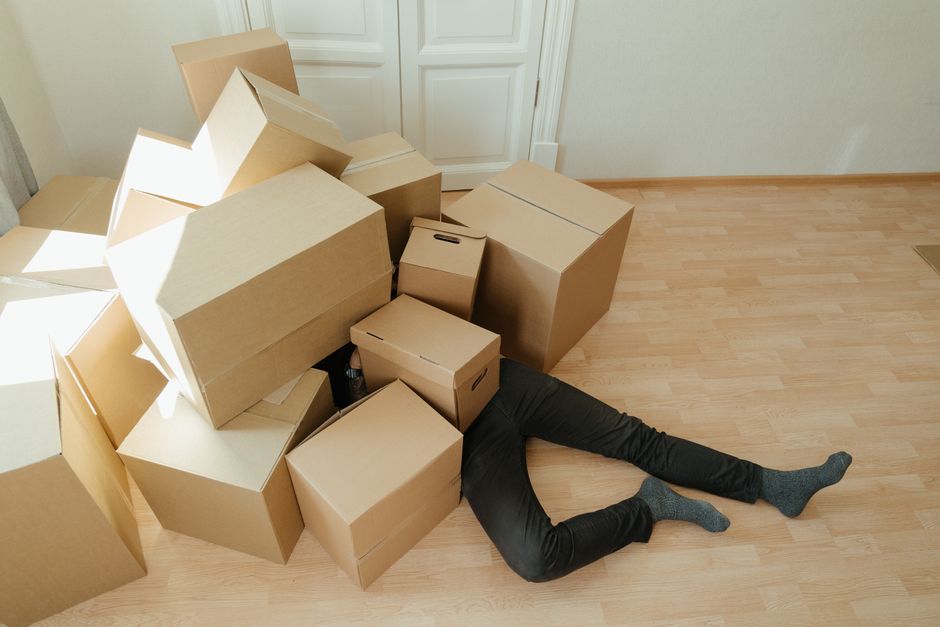
Most one-bedroom apartments need roughly 20 to 30 boxes, a three-bedroom house closer to 60 to 80, and larger homes can push past 100. Those numbers shift depending on how much you own, how many small versus large boxes you use, and whether you are packing a full kitchen or living light. The fastest way to land on a number that actually fits your home is to estimate room by room instead of guessing at a single total.
Running short on boxes mid-pack is one of the most common reasons a moving day gets delayed, since loose items end up wrapped in towels or crammed into laundry baskets that do not stack well in a truck. Buying too many is a smaller problem, but it still wastes money you could put toward professional packing help if your timeline is tight. This guide breaks down box counts by room and box size so you can order supplies once and be done with it.
How Many Boxes Do You Need to Move, By Home Size?
As a starting benchmark, studio and one-bedroom homes typically need 20 to 30 boxes, two-bedroom homes need 30 to 50, three-bedroom homes need 50 to 80, and four-bedroom or larger homes often need 80 to 120 or more. These ranges assume a mix of small, medium, and large boxes, plus a few specialty boxes for dishes, wardrobe items, or artwork.
Treat this as a rough baseline, not a hard rule. A minimalist one-bedroom apartment might get by with 15 boxes, while a one-bedroom stuffed with books, hobby gear, and kitchen equipment could need closer to 40. The room-by-room breakdown below gets you much closer to your actual number.
Box Sizes You Should Actually Be Stocking
Most moves need three or four box sizes, not one. Small boxes for heavy, dense items, medium and large boxes for everything else, and a handful of specialty boxes for fragile or oddly shaped belongings.
- Small boxes (1.5 cubic feet): books, canned goods, tools, and anything heavy in a small footprint. These stack well and stay liftable even when full.
- Medium boxes (3 cubic feet): kitchen items, small appliances, toys, and most general household goods. This is usually your most-used size.
- Large boxes (4.5 cubic feet): bedding, towels, pillows, and lightweight bulky items. Avoid filling large boxes with books or dishes since they get too heavy to carry safely.
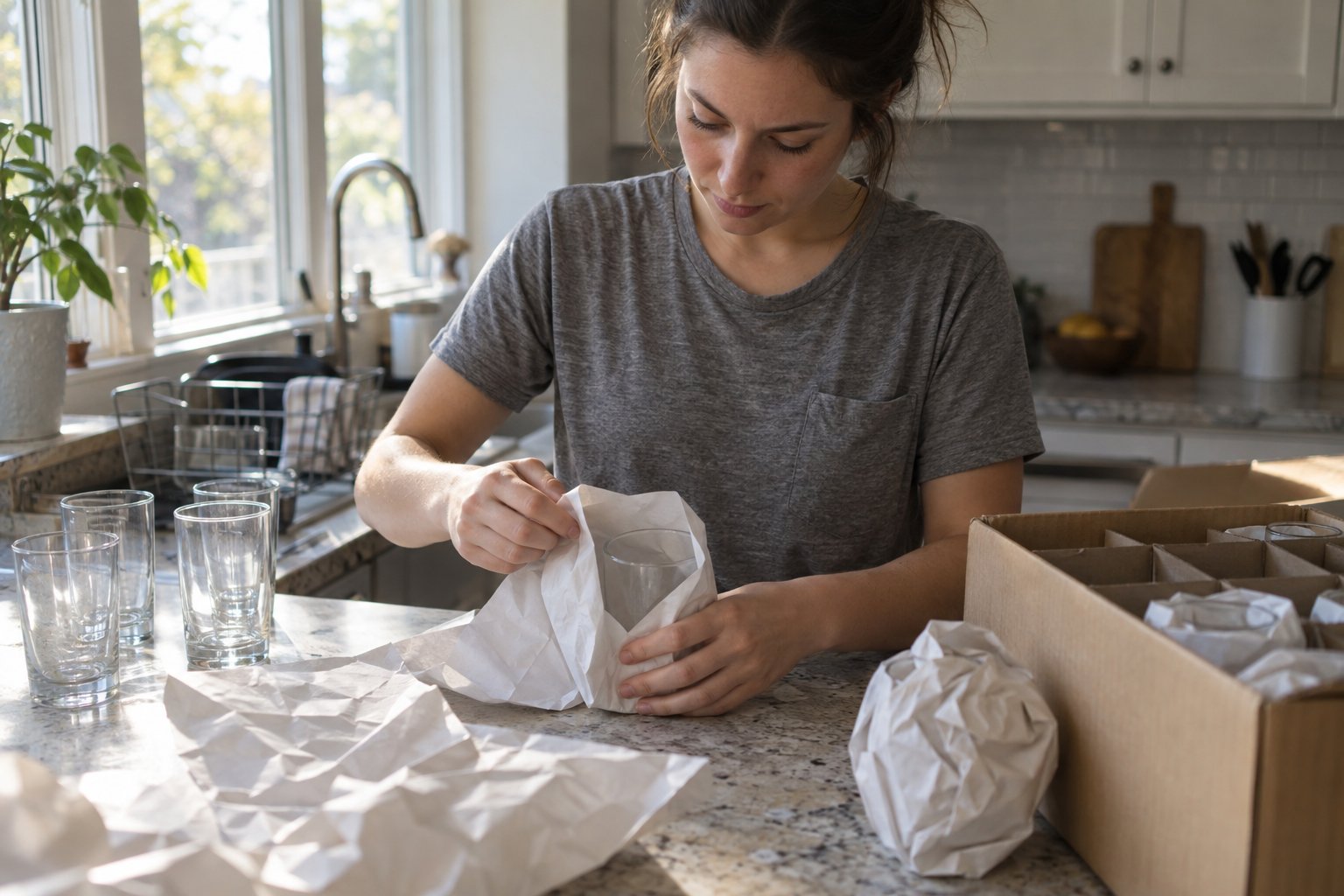
- Dish pack or "dish barrel" boxes: double-walled boxes built for glassware and dishes, worth the extra cost if you have a kitchen worth protecting.
- Wardrobe boxes: tall boxes with a hanging bar so clothes travel on hangers instead of folded into suitcases.
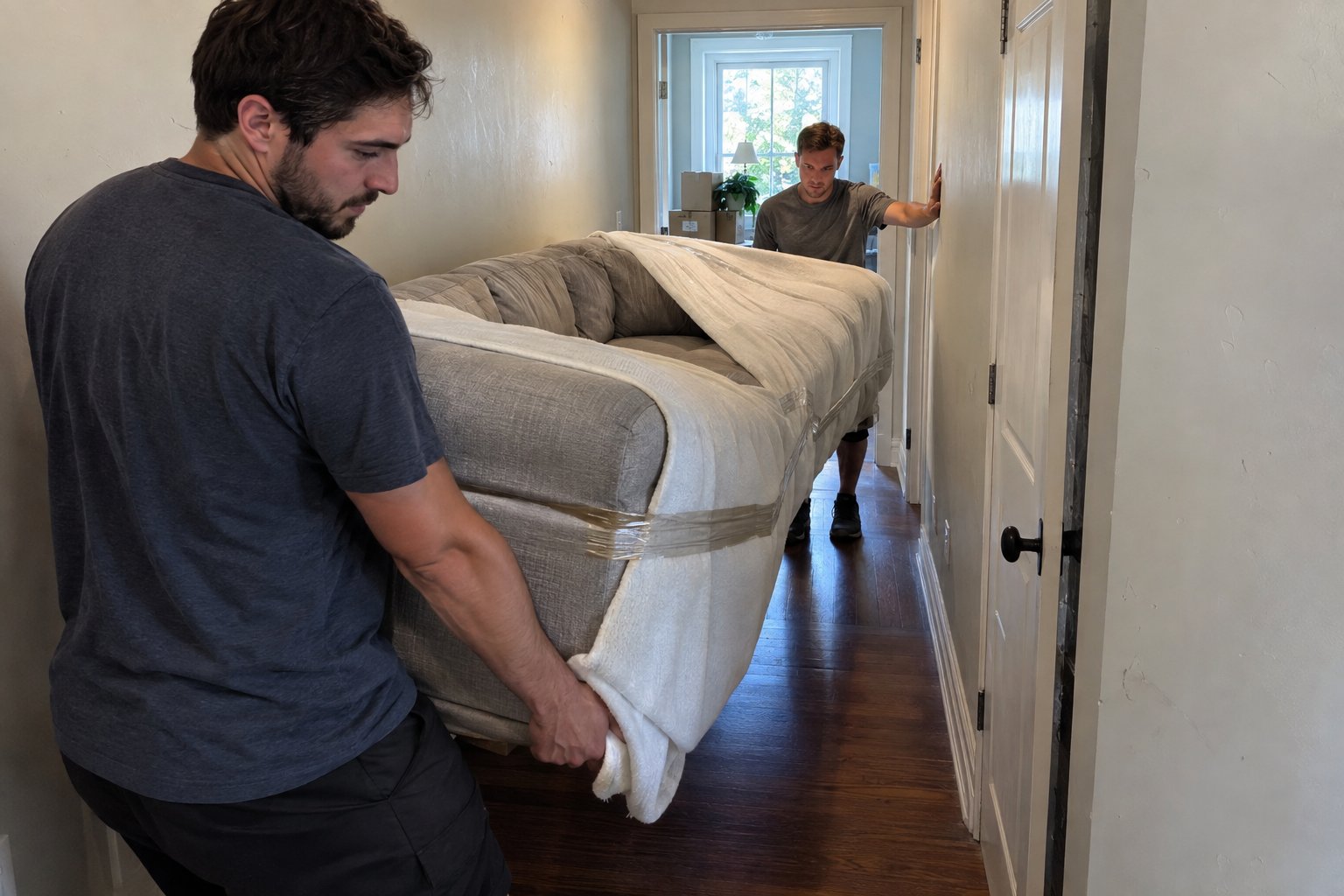
A common mistake is buying mostly large boxes because they seem efficient. Large boxes packed with dense items become dangerous to lift and are a frequent cause of dropped boxes or back strain, especially if you are handling the move yourself before a labor crew arrives to load the truck.
Room-by-Room Box Estimates
Break your box count down by room rather than by total square footage, since a small home office can need almost as many boxes as a bedroom if it is full of files and books. Add these estimates together for your whole-home total.
Kitchen
Kitchens are usually the box-heaviest room in the house. Plan for 15 to 20 boxes for an average kitchen: a mix of small boxes for canned goods and heavy cookware, medium boxes for small appliances and pantry items, and 2 to 4 dish pack boxes for glassware, plates, and bowls.
Living Room
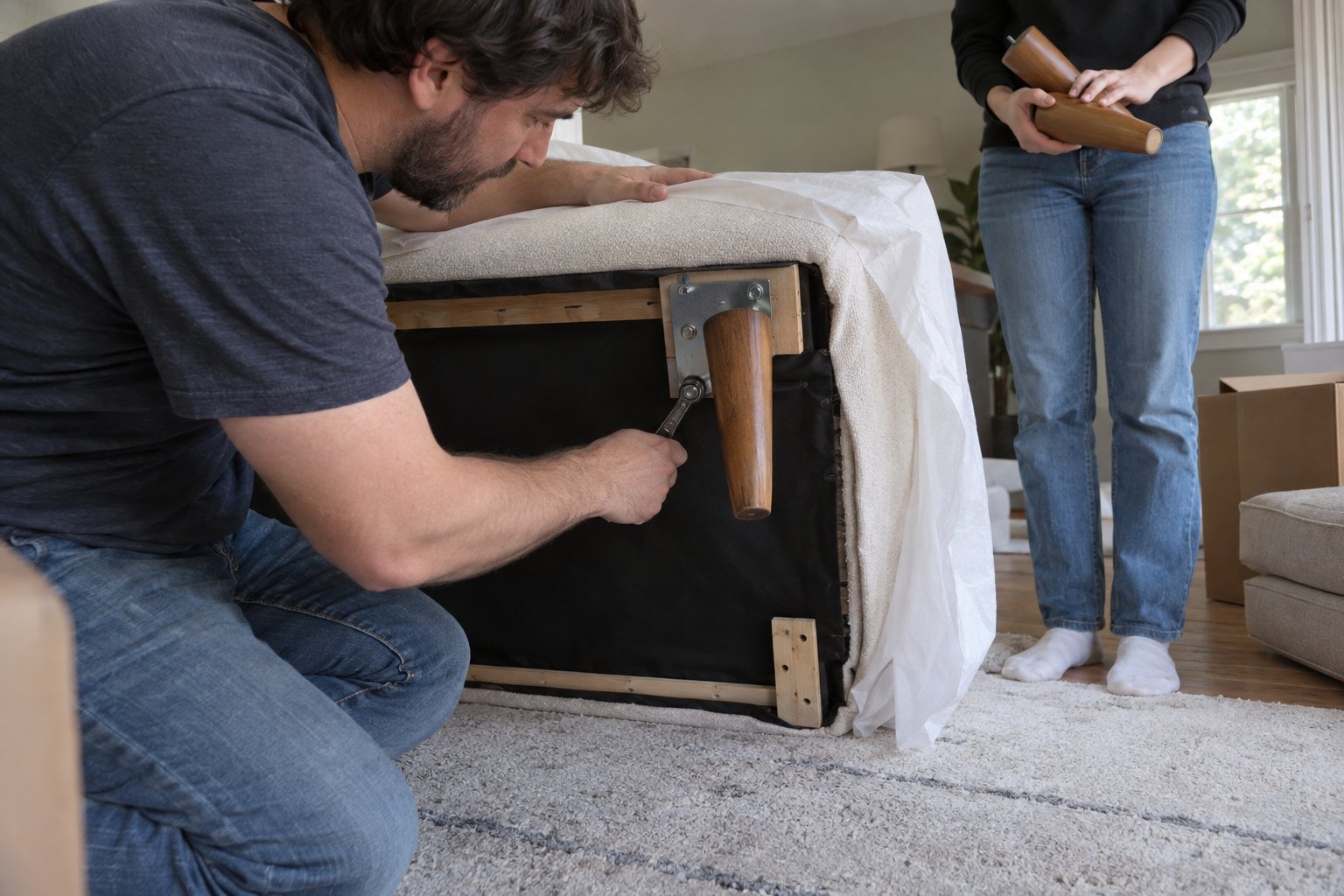
Living rooms hold fewer but bulkier items. Expect 8 to 12 boxes for books, media, decor, lamps, and throw pillows, plus separate handling (not boxes) for furniture like sofas, coffee tables, and bookshelves.
Bedrooms
Each bedroom typically needs 10 to 15 boxes for clothing, linens, shoes, and personal items, plus one or two wardrobe boxes per closet if you want to skip folding altogether. A bedroom with a dresser or nightstand does not need extra boxes for those pieces since they move as furniture.
Bathroom
Bathrooms are light but numerous. Budget 3 to 5 small or medium boxes per bathroom for toiletries, towels, and cleaning supplies.
Home Office
Offices are deceptively box-heavy because of files, books, and cables. Plan for 8 to 12 boxes, with small boxes doing most of the work since paper gets heavy fast. If you are relocating a full desk setup, a dedicated look at how to move a home office covers disconnecting and packing electronics safely.
Garage and Miscellaneous Storage
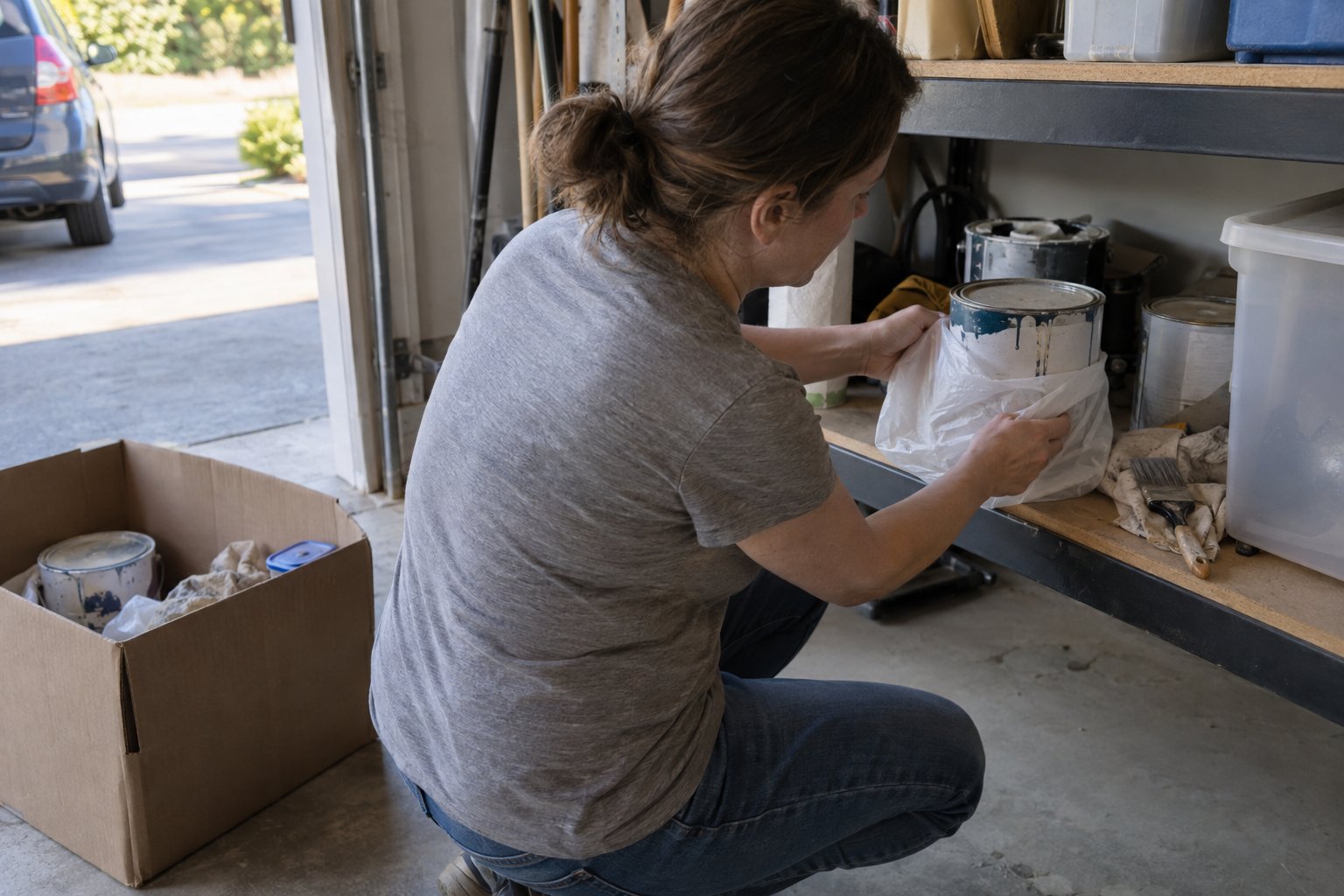
This is the wildcard room. Garages, basements, and attics can range from 10 boxes to 40+ depending on how much has accumulated. Sort before you box anything here, since garages are also where people tend to over-pack items that should be discarded instead.
How Do You Avoid Running Short on Moving Day?
Order 10 to 15 percent more boxes than your room-by-room estimate suggests, since almost every move turns up items that were not accounted for in the initial count. It is far easier to return unused flat boxes than to make an emergency supply run while your crew is waiting.
If you are unsure where to source that many boxes affordably, secondhand and retailer boxes can cover most of your count while you buy specialty boxes new for anything fragile. Keep a rough tally as you pack each room so you know early if you are trending over or under your estimate, rather than finding out with two rooms left and no boxes on hand.
Should You Pack Everything Yourself or Get Help?
If your box count is climbing past 60 or 70 for a mid-size home, it is worth weighing your time against the cost of hiring packing help, since full-service packing crews can finish a house in hours instead of days. This matters most when you have already booked a moving crew for a specific window and packing delays could push your load-in time back.
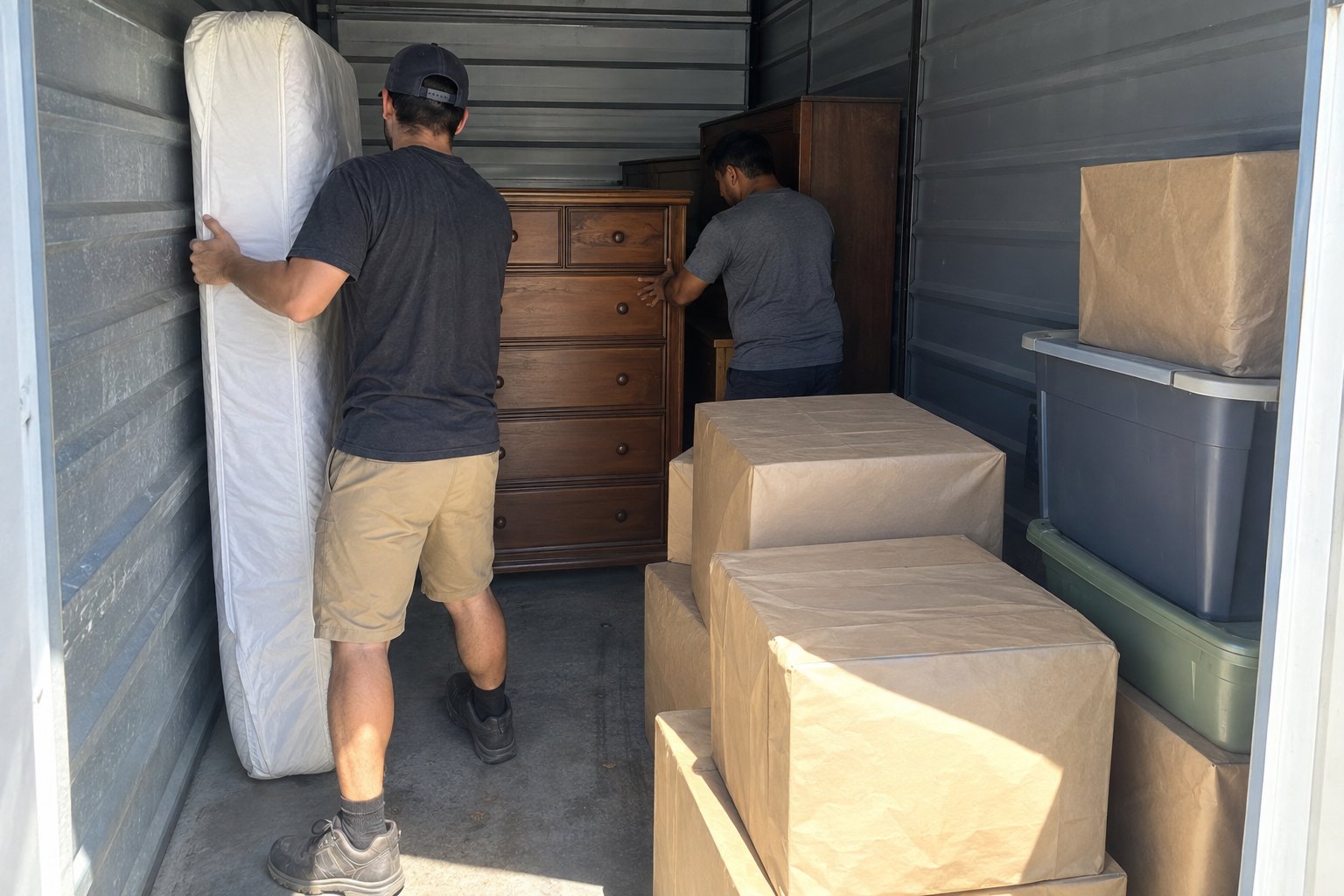
Once your boxes are packed and labeled, the next bottleneck is usually getting everything into the truck efficiently. A crew that only handles lifting and loading, rather than driving, can still save your back on move day; if you are deciding whether that fits your situation, get a free labor-only moving quote to see what a crew would cost for your box and furniture count.
FAQs
Most two-bedroom apartments need between 30 and 50 boxes total, combining kitchen, living room, two bedrooms, and a bathroom. Households with larger kitchens or home libraries tend to land at the higher end of that range.
Free boxes from retailers, liquor stores, or community groups can cover a large share of your count at no cost, but they vary in strength and size. Buying new dish pack and wardrobe boxes for fragile or hanging items is usually worth the extra cost even if the rest of your boxes are secondhand.
Use small boxes for books, canned goods, and other dense items so the weight stays manageable when full. Medium boxes work well for most kitchen items, with dish pack boxes reserved specifically for glassware and plates.
Keep a running count as you finish each room and compare it to your original room-by-room estimate. If you are more than 20 percent over or under by the halfway point, adjust your order before you run out of packing time.
Keep a running count as you finish each room and compare it to your original room-by-room estimate. If you are more than 20 percent over or under by the halfway point, adjust your order before you run out of packing time.
Still have questions?
How to move with us?
Hit the “Get a Quote” button and tell us what you need.
Choose the service, date, and time that work best for you.
Our friendly team shows up on time and gets everything done safely.
Sit back while we take care of the rest.
.avif)