
Moving Without Damaging Your Rental: A Renter's Guide to Avoiding Deposit Deductions

Moving without damaging your rental comes down to three things: protecting the specific surfaces your lease holds you accountable for, moving heavy items with a method that keeps them off walls and floors, and documenting the unit's condition before and after the move. Renters lose deposit money most often to damage that happens in the last few hours of a move, not from wear and tear over the whole lease.
If you have ever read a move-out charge list and wondered how a "small scuff" turned into a $150 line item, you already know landlords and property managers scrutinize rentals differently than a homeowner would scrutinize their own house. A homeowner shrugs off a scraped baseboard. A landlord photographs it, compares it to the move-in report, and bills the difference from your deposit. This guide is about closing that gap: what actually gets flagged, how to prevent it while the truck is still being loaded, and what to do if a dispute happens anyway.
What Landlords Actually Look For at Move-Out
Landlords focus on damage beyond "normal wear and tear," a legal standard that covers minor scuffs and worn carpet paths but not gouges, holes, stains, or broken fixtures. Most move-out inspections concentrate on walls, flooring, appliances, and fixtures that were noted as good condition on the move-in checklist.
Common flagged items include drywall dents from furniture corners, scratches on hardwood or vinyl plank flooring, carpet stains or crushed fibers from dragged furniture, chipped paint around door frames, and damaged appliance surfaces from moving a refrigerator or washer and dryer without proper padding. Anything that was documented as pre-existing on your move-in inspection should not count against you, which is why that paperwork matters as much as the move itself.
How Do You Protect Walls and Corners in a Rental You Don't Own?
You protect rental walls and corners by pre-measuring doorways and hallways before moving day, using furniture sliders and corner guards on anything bulky, and assigning one person to guide furniture through tight turns instead of pushing blind. The goal is preventing contact, not cleaning up after it.
Painter's tape and cardboard sheets over doorframes and stair corners take fifteen minutes to set up and prevent the majority of drywall dings we see in labor-only moves. If your unit has textured or freshly painted walls, be extra cautious: touch-up paint rarely matches perfectly, which makes even small marks visible and billable. For a full walkthrough of protecting hard surfaces during the move itself, see our guide on protecting floors and walls on moving day.
Handling Doorways, Stairwells, and Elevators
Narrow doorways and stairwells cause more rental damage than open rooms because there is no room to correct an angle mid-carry. Take the extra thirty seconds to disassemble a couch or dresser rather than forcing it through at an angle, and if your building requires elevator use, pad the walls with moving blankets before you start.
Preventing Floor and Appliance Damage During the Move
Floors and major appliances take the most damage when they are dragged instead of carried or rolled on proper equipment. Use furniture sliders on hard flooring, moving blankets under anything with legs, and an appliance dolly for refrigerators, washers, and dryers rather than tilting them across bare floors.
Rental flooring is often original to the building and shows scratches more visibly than newer surfaces. If your unit has hardwood, laminate, or LVP flooring, lay down rosin paper or moving blankets along your carry path before the first box goes out. For appliance-specific handling that avoids both floor scuffs and internal damage, our guides on moving a refrigerator safely and disconnecting and loading a washer and dryer cover the steps in detail.
Documenting Condition Before and After the Move
Documenting your rental's condition means taking dated, timestamped photos and video of every room before you move anything in and again right before you hand back the keys. This is the single most effective way to dispute an unfair deduction, because it shifts the burden of proof back onto the landlord.
Walk each room with your phone recording, narrate what you see, and pay special attention to flooring, walls near furniture placement, and appliance surfaces. Keep a copy of your signed move-in inspection sheet if your lease included one. If a deduction appears on your final statement that you believe is unjustified or exceeds normal wear and tear, our guide on getting your security deposit back walks through how to formally dispute it.
Should You Hire Help to Avoid Rental Damage?
Hiring trained movers for the heavy lifting reduces rental damage risk because experienced crews know how to angle furniture through tight spaces, use the right equipment for appliances, and avoid the rushed decisions that cause most dents and scratches. This matters most in older buildings, walk-ups, and units with hardwood or freshly painted walls where mistakes are expensive to fix.
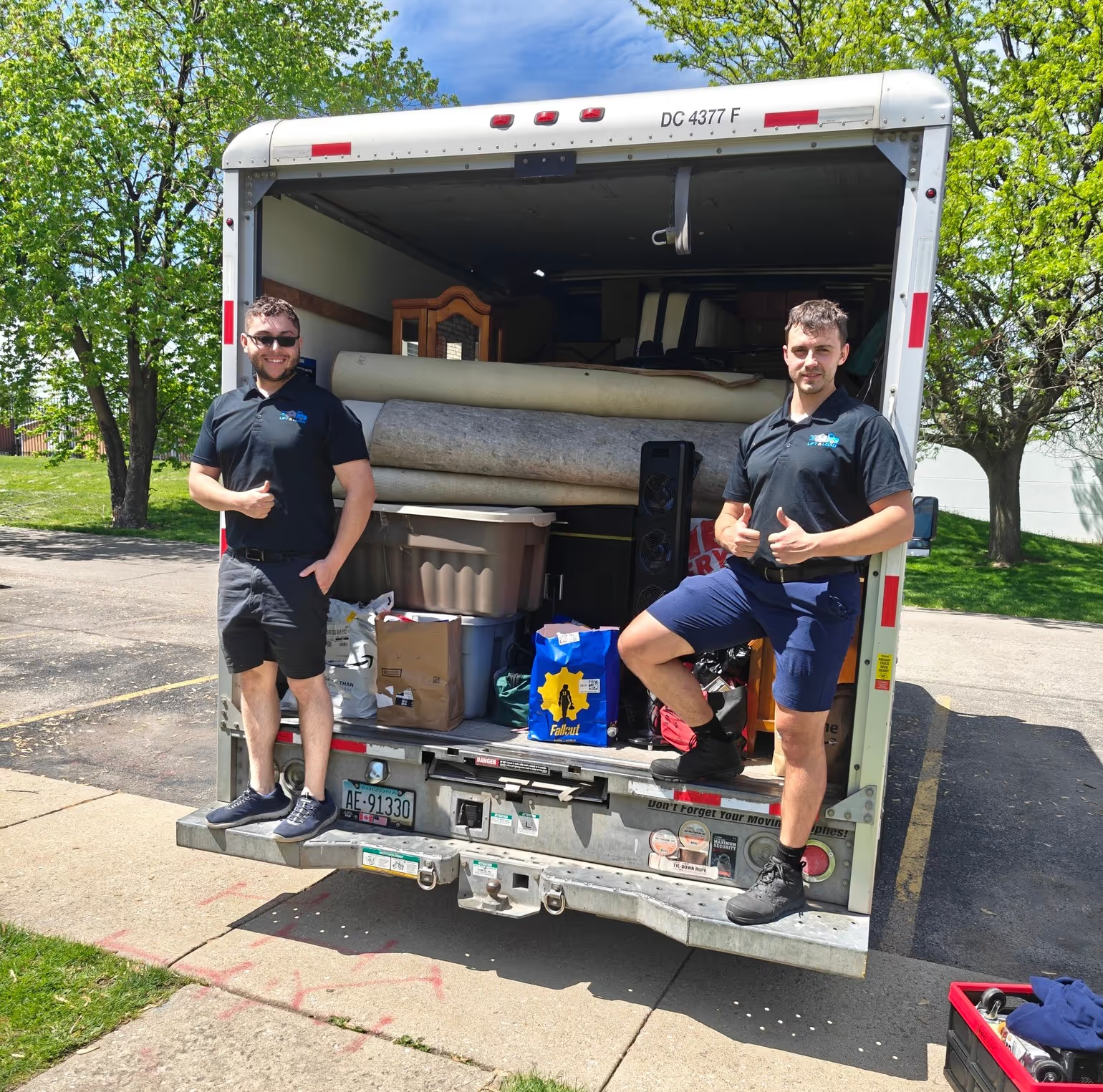
A labor-only crew is worth considering even if you already have a truck, since the physical handling, not the driving, is where most rental damage originates. Lift & Load's labor-only moving crews are trained to move heavy furniture and appliances without the scrapes and dents that turn into deposit deductions, which often costs less than the damage charges they prevent.
If you're weighing whether professional help makes sense for a smaller apartment or studio, our breakdown of how many movers you actually need for your move can help you right-size the crew before booking.
Ready to protect your deposit and your back at the same time? Get a free labor-only quote and let a trained crew handle the heavy lifting on move-out day.







FAQs
A landlord can only charge for damage beyond normal wear and tear. Light scuffs from years of living in a unit are typically considered normal, but gouges, holes, or fresh scrapes from a move are usually billable unless you documented them as pre-existing at move-in.
Normal wear and tear includes minor carpet fading, small nail holes from hung pictures, and light scuffing from years of use. Damage includes drywall dents, deep scratches, stains, cracked tile, and broken fixtures, the kind of marks that typically happen during a rushed move.
Check your lease first. Many leases allow small picture-hanging holes as normal wear and tear, but some require tenants to patch and touch up paint before move-out. When in doubt, patch small holes with spackle and match the paint color if you have it.
Both. Photograph the unit's condition before any furniture moves so you have a baseline, then photograph again once everything is out and cleaned. This gives you before-and-after proof if a dispute comes up over existing versus new damage.
Both. Photograph the unit's condition before any furniture moves so you have a baseline, then photograph again once everything is out and cleaned. This gives you before-and-after proof if a dispute comes up over existing versus new damage.
Still have questions?
How to move with us?
Hit the “Get a Quote” button and tell us what you need.
Choose the service, date, and time that work best for you.
Our friendly team shows up on time and gets everything done safely.
Sit back while we take care of the rest.
.avif)