How to Protect Your Floors and Walls on Moving Day

Protecting floors and walls on moving day means covering high-traffic paths with rigid or padded runners, wrapping corners and door frames with foam or cardboard, and using furniture sliders instead of dragging anything across bare flooring. A little prep at the start of the day almost always costs less than the touch-up paint, floor refinishing, or security deposit deductions that come from skipping it.
Most of the damage we see on move day is not from a single dramatic accident. It is the slow accumulation of small scrapes: a dresser corner clipping a doorway, a dolly wheel grinding grit into hardwood, a couch leg dragging three feet because nobody wanted to lift it that last stretch. None of that requires expensive gear to prevent. It requires a plan before the first box goes out the door.
What Actually Damages Floors and Walls During a Move
Floors and walls get damaged during a move mainly from dragging heavy items, dropped tools or hardware, and corners of furniture making contact with door frames and baseboards. Grit trapped under furniture legs or dolly wheels is a bigger culprit than people expect, since it acts like sandpaper the moment anything slides across it.
Hardwood and laminate scratch easily under sliding weight. Tile and stone can chip at the edges from a dropped corner. Carpet gets crushed or stained from tracked-in mud and wheel marks. Walls take the worst of it near stairwells, tight hallway turns, and doorframes, where there is little room to adjust an awkward angle. Knowing where the damage actually happens tells you where to spend your protection budget.
Floor Protection: What to Lay Down and Where
The most effective floor protection is a continuous, taped-down path of ram board, rosin paper, or a thick moving blanket from the truck to every room being emptied. Skip the thin plastic sheeting sold as an all-purpose solution; it tears and slides underfoot, which creates a trip hazard instead of preventing damage.
Hard Flooring (Hardwood, Laminate, Tile)
Use rigid protective sheeting like ram board or hardboard on the main walking path, taped at the seams so it does not shift. For corners and turns, double up the layers since that is where dollies pivot and put the most sideways pressure on the surface.
Carpet
A carpet film or a runner with a non-slip backing keeps foot traffic from grinding dirt into the fibers and stops dolly wheels from leaving permanent track lines. Painter's tape holds it in place without pulling up fibers when you remove it later.
Stairs
Stair treads need individual non-slip covers, not one long sheet, so each step stays gripped and visible. A loose runner on stairs is one of the more common causes of a fall during a move, so this is not a spot to improvise.
How Do You Keep Furniture From Scratching Walls?
Keeping furniture from scratching walls comes down to wrapping the vulnerable points, going slow through tight spaces, and removing doors when a piece genuinely will not clear the frame. Corner guards on drywall edges and a moving blanket taped over doorframes absorb the contact that would otherwise leave a gouge.
Before anything gets carried through a hallway or stairwell, measure the widest point of the item against the narrowest point of the path, including door handles and light switches that stick out further than people expect. If a piece is close, pull the door off its hinges rather than trying to thread the gap. Two movers communicating clearly through a turn, one calling out clearance and the other guiding the lead edge, prevents far more wall damage than any amount of padding.
Do You Need Special Equipment, or Will Household Items Work?
You do not need professional-grade gear to protect a home during a move; furniture sliders, old blankets, cardboard corner guards, and painter's tape cover most situations. Rental gear only makes sense for larger jobs, like moving heavy plants or specialty items where a single mistake is expensive to fix.
A few household substitutions that hold up well: old bath towels taped around table legs and chair arms, flattened moving boxes cut into corner guards, and socks or sleeves used as filler-corner protectors under time pressure. These are not perfect long-term solutions, but they work for a single day if a hired crew or rental gear is not already on the way.
A Simple Pre-Move Walkthrough That Prevents Most Damage
A five-minute walkthrough of both properties before loading starts catches most of the problems that cause damage later. Walk the path from the truck to the front door, then room by room, and note anything narrow, uneven, or already fragile so the crew knows in advance.
- Photograph existing scuffs, dings, or scratches at both properties before moving day, which protects you if a landlord or building tries to bill you for pre-existing wear.
- Remove anything hanging on walls near the moving path, including mirrors, shelves, and light fixtures that stick out into a hallway.
- Lay protective material on the busiest path first: front door to truck, then work outward to secondary rooms.
- Check that door frames, especially on stairwells, are protected before large furniture starts moving through them.
- Confirm with your crew, whether that is friends or hired labor, who is responsible for guiding corners through tight turns.
If your building requires a certificate of insurance or specific floor protection before granting elevator access, confirm that with the property manager days in advance, not the morning of. A hired labor-only moving crew that has worked your building type before usually already knows what the management office expects.
When Hiring Movers Makes More Sense Than DIY Protection
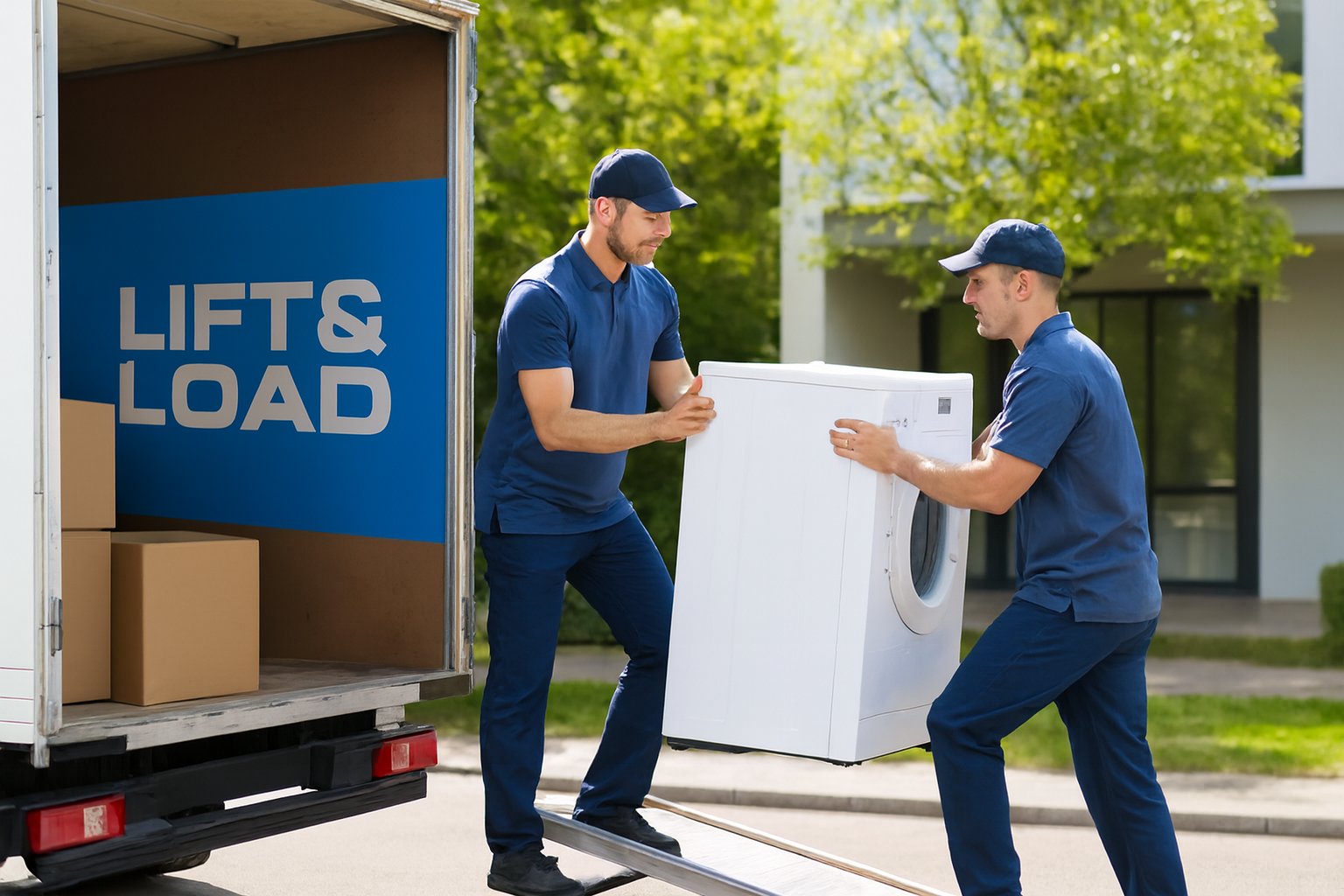
Hiring an experienced crew makes more sense than DIY floor and wall protection when you are moving heavy or awkward furniture through tight stairwells, working under a tight moving day timeline, or moving in a building with strict damage policies. Trained movers carry proper equipment and know how to angle large pieces without guessing.
If you are already preparing for a labor-only crew's arrival, add floor and wall protection to that checklist alongside disassembling large furniture and clearing walkways. A crew can move faster and more carefully when the path is already protected, which reduces the odds of anyone rushing a tight corner. It also helps to know roughly how many movers you actually need for your move, since an understaffed crew is more likely to drag furniture instead of carrying it properly.
Whether you are hiring help for the whole move or just the heavy lifting, a quick conversation about floor and wall protection before the truck arrives saves everyone a frustrating afternoon. If you want an experienced crew that already knows how to protect a home while moving heavy items, you can get a free labor-only quote before your next move.



FAQs
Rigid ram board or hardboard taped at the seams protects hardwood best, since it will not slide or tear under dolly wheels the way plastic sheeting does. Reserve extra layers for corners and pivot points, where dollies put the most pressure on the surface.
Many professional crews carry basic floor runners and furniture pads as standard equipment, but coverage varies by company and job size. Ask your crew directly what protection they bring and confirm it before moving day rather than assuming it is included.
Keep dolly wheels clean and check them for embedded grit before each use, since debris on the wheel acts like sandpaper against hard flooring. Rolling slowly over a protected path, rather than a bare floor, prevents most of the marks people blame on the dolly itself.
Photographing the walls and floors before your move gives you evidence of the property's condition beforehand, which matters if a landlord tries to charge you for damage that already existed. If you are also working through move-out logistics, our guide on getting your security deposit back covers what documentation to keep.
Photographing the walls and floors before your move gives you evidence of the property's condition beforehand, which matters if a landlord tries to charge you for damage that already existed. If you are also working through move-out logistics, our guide on getting your security deposit back covers what documentation to keep.
Still have questions?
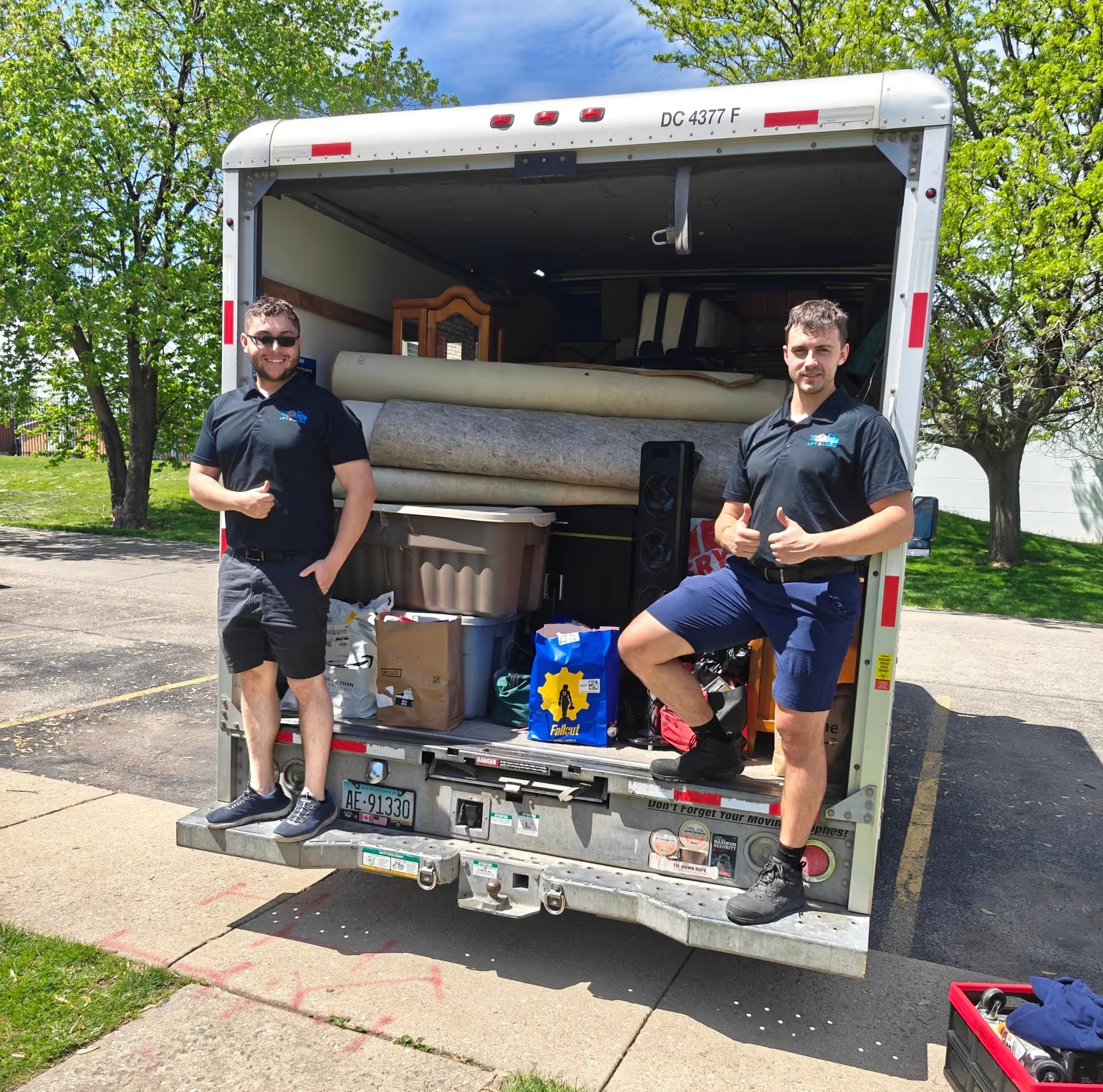
How to move with us?
Hit the “Get a Quote” button and tell us what you need.
Choose the service, date, and time that work best for you.
Our friendly team shows up on time and gets everything done safely.
Sit back while we take care of the rest.
.avif)