
How to Move a Fish Tank Without Killing Your Fish or Cracking the Glass
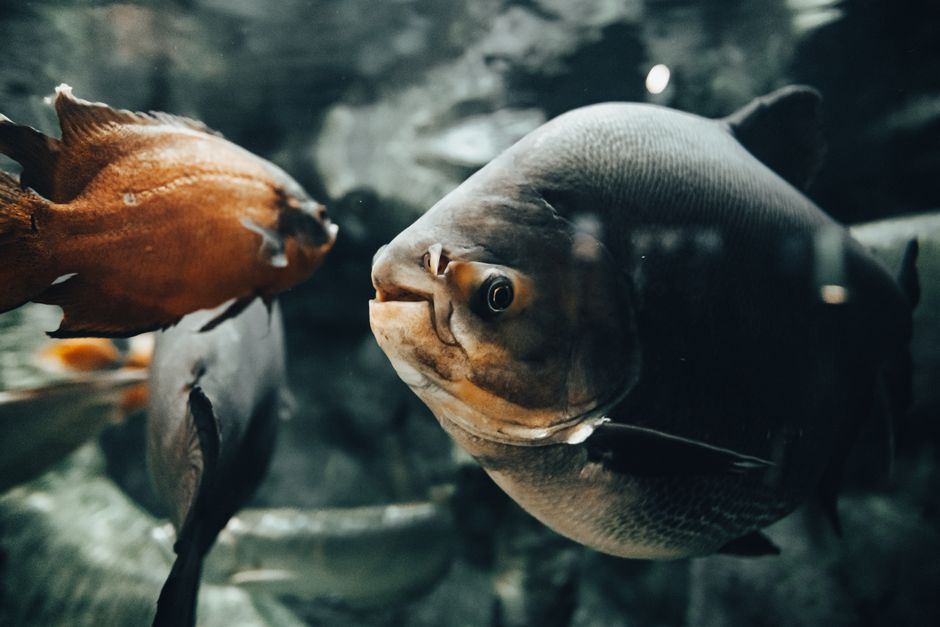
Moving a fish tank safely means breaking the job into three separate moves: the fish, the water and gravel, and the tank itself. Never move an aquarium as one intact unit, even a small one, because water weight can crack the seams and the sloshing motion stresses fish badly enough to kill them. Plan for each piece to travel differently, and the whole process becomes far less risky than it looks.
Aquariums are one of the trickier items in a household move because you are managing a living ecosystem, not just glass and furniture. Bacteria in the gravel and filter keep your fish alive, and losing that colony means starting the tank's nitrogen cycle over. A little preparation protects both the fish and the equipment you have invested in.
How Far in Advance Should You Start Prepping a Fish Tank Move?
Start prepping three to five days before moving day for anything larger than a small desktop tank. This gives you time to gather supplies, do a partial water change, and stop feeding your fish 24 to 48 hours before transport so they produce less waste in the bag.
Buy sealable fish bags, a portable air pump or battery-powered air stone, clean five-gallon buckets with lids, and painter's tape before the week of the move. If you are traveling more than a couple of hours, ask your local fish supply store about oxygen-filled bags, which give fish far more time in transit than a bag filled with regular air.
What to Do With the Gravel and Decorations
Scoop wet gravel directly into sealed plastic bags or a bucket with a tight lid, keeping it damp rather than dry. Dry gravel loses the beneficial bacteria that keep ammonia levels safe, so the goal is to keep it moist and cool, not to rinse or dry it out before the move.
Rocks, driftwood, and plastic decorations can go in a separate bucket filled partway with tank water. Live plants should be wrapped in wet paper towels and placed in a sealed bag with a little water, since they dry out faster than most people expect.
How Do You Transport Fish Safely During a Move?
Fish travel best in sealed bags filled about one-third with existing tank water and two-thirds air, placed inside an insulated cooler or box to hold a steady temperature. For trips under two hours this is usually enough; for longer moves, add a battery air pump or use oxygen bags from a pet supply store.
Keep the cooler in the passenger area of the vehicle, never in a hot trunk or an unheated truck bed, since temperature swings are more dangerous to fish than the movement itself. If you are working with a moving crew that is only handling furniture, plan to transport fish yourself in your own car so you control the temperature and timing directly.
Try to keep the total time out of the tank under six to eight hours whenever possible. Beyond that window, ammonia buildup in the bag water becomes a real risk even with an air pump running.
Saving the Water for Setup
Save as much of the original tank water as you can in sealed buckets or jugs, since reusing it helps preserve the tank's bacterial balance at the new home. Aim to keep at least 50 percent of the old water if your containers and vehicle space allow it.
How Do You Pack and Move the Empty Tank Itself?
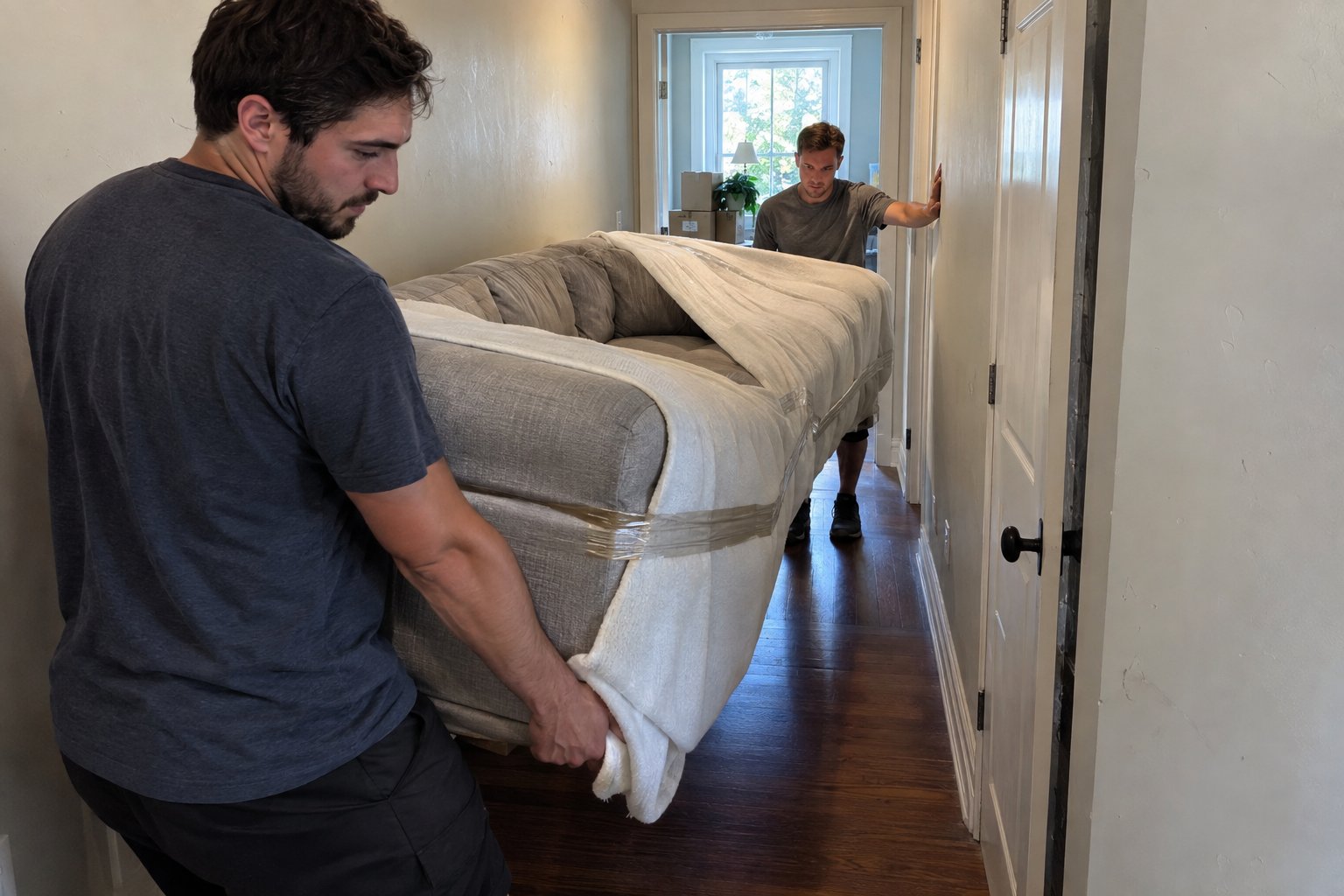
Once the water, gravel, and fish are out, the empty tank should be wrapped in moving blankets or bubble wrap and carried upright, never on its side or upside down. Glass seams can flex under uneven pressure, so keep the tank supported evenly along its base rather than gripped by the rim.
Disconnect and separately pack the filter, heater, and light hood, wrapping each in its own layer of padding. For tanks over 40 gallons, this is a two-person carry at minimum, and stands or cabinets underneath should be checked for stability before the tank goes back on top. If your move involves a tank this size along with other heavy furniture, a labor-only moving crew can handle the lifting and carrying while you focus on the fish and water.
Never fill the tank with any water until it is sitting in its final position at the new home. A partially filled tank that shifts during transport is far more likely to crack than one moved completely empty.
Setting the Tank Back Up at the New Home
Set the tank on a level, stable surface first and check it with a level tool before adding anything back. An uneven stand puts constant stress on one corner of the glass and can cause a slow leak or a crack weeks later.
Add the saved water first, then the gravel, decorations, and plants, then reconnect the filter and heater before turning anything on. Let the temperature stabilize for 15 to 20 minutes before releasing fish from their bags, floating the sealed bag in the tank briefly so the water temperature equalizes and the fish are not shocked by a sudden change.
Watch your fish closely for the first 24 to 48 hours. Some clouding in the water or a period of hiding is normal after a move, but fish gasping at the surface or lying on their side signals a water quality problem that needs immediate attention.
When Should You Call in Help Instead of Doing It Alone?
Bring in help when the tank exceeds roughly 40 to 55 gallons, when you are moving a stand or cabinet along with it, or when the aquarium is one piece in a larger move with heavy furniture. At that point the physical lifting risk to you and the tank usually outweighs the cost of an extra set of hands.
A moving crew booked for general furniture and heavy items can carry the emptied tank, stand, and cabinet while you manage the fish and water separately, which is the part that genuinely cannot be delegated. If you are budgeting for the move overall, our guide on moving labor cost per hour breaks down what a couple of movers typically run for a few hours of heavy lifting.
Whatever size tank you are working with, ready your fish and water first, since that part is time-sensitive in a way the empty glass and stand are not. Once you have the living side of the move planned, get a free labor-only moving quote for the heavy lifting and let the crew handle the tank, stand, and everything else on moving day.




FAQs
You should never move an aquarium with water still inside, even a small amount. The extra weight puts uneven pressure on the seams and glass, and the sloshing motion during transport can crack the tank or cause a leak later. Drain it fully and add water back only once it is in its final spot.
Most fish tolerate up to six to eight hours in a sealed bag with adequate air or oxygen, provided the water temperature stays stable. Shorter is always better, and a battery air pump extends that window if your drive is longer than a couple of hours.
You usually do not need a full recycle if you saved enough of the original tank water and kept the gravel and filter media damp, since the beneficial bacteria travel with them. A partial cycle disruption is common, so test ammonia and nitrite levels for the first week and watch your fish closely.
Stop feeding your fish 24 to 48 hours before the move rather than feeding them right before transport. Less food in their system means less waste in the bag water, which keeps ammonia levels lower during the trip.
Stop feeding your fish 24 to 48 hours before the move rather than feeding them right before transport. Less food in their system means less waste in the bag water, which keeps ammonia levels lower during the trip.
Still have questions?
How to move with us?
Hit the “Get a Quote” button and tell us what you need.
Choose the service, date, and time that work best for you.
Our friendly team shows up on time and gets everything done safely.
Sit back while we take care of the rest.
.avif)