
Why Packing Clothes The Right Way Matters

Finding the best way to pack clothes for moving saves time, money, and stress. Well packed clothing is easier to unpack and less likely to arrive wrinkled or damaged. With a thoughtful plan, even a large wardrobe can feel manageable and organized during a move, especially when paired with reliable professional moving services.
Start With A Simple Clothing Plan
Before you tape a single box, look at how much clothing you own and how far you are going. Decide which items you wear daily, which are seasonal, and which you rarely touch. A clear plan helps you choose the best way to pack clothes for moving without feeling overwhelmed.
Declutter Before You Pack A Single Shirt
One of the easiest ways to make packing lighter is to let go of what you do not need. Donate, sell, or recycle worn out or outdated pieces so they do not take up space. If you are moving to a new climate or downsizing from 1100 square feet to something smaller, trimming your wardrobe will feel even better.
Choose The Right Supplies For Clothing
Good supplies are a big part of the best way to pack clothes for moving. Sturdy small and medium boxes, packing tape, garbage bags, wardrobe boxes, and vacuum bags all have a role. You can also use suitcases and duffel bags so you are not paying to move empty luggage.
Fold, Roll, Or Hang: Which Method Works Best
Not every item should be packed the same way. Soft everyday clothes tend to do well rolled, structured pieces prefer folding, and delicate or formal wear is safer hanging. When you match the method to the fabric, you save space and cut down on wrinkles at the same time.
How To Pack Everyday Clothes Efficiently
For t shirts, leggings, pajamas, and casual wear, rolling usually works very well. Lay the item flat, smooth out wrinkles, then roll it snugly from bottom to top and place it into drawers, bins, or boxes. This style of packing makes it easy to see each item when you start unpacking.
Keeping Workwear And Formal Clothing Sharp
Dress shirts, blouses, slacks, and dresses need a little extra care. The best way to pack clothes for moving when they are formal or work pieces is to keep them on hangers in wardrobe boxes or garment bags. If boxes are not available, fold them carefully with tissue between layers to minimize creases.
Using Wardrobe Boxes The Smart Way
Wardrobe boxes can feel bulky, but they are incredibly helpful for important pieces. Hang items directly from your closet onto the bar inside the box and group by type so you can unpack quickly. Keep heavier garments toward the center of the bar so the box stays balanced when lifted.
Suitcases And Duffel Bags As Clothing Workhorses
If you already own sturdy luggage, put it to work on moving day. Suitcases with wheels are ideal for heavier items like jeans, sweaters, and shoes, while duffel bags can hold flexible, soft clothing. This approach helps you stretch your packing budget and makes loading easier for movers.
Protecting Seasonal And Bulky Clothing
Bulky coats, hoodies, and off season items can easily swallow up your boxes. Vacuum seal bags are often one of the best ways to pack clothes for moving when you are short on space. Compressing winter gear or spare bedding keeps everything clean and compact inside the truck.
A Simple Packing System For Every Closet
To stay organized, break your packing into zones instead of tackling the whole house at once.
Start with off season clothing and rarely worn items so your daily routine is not disrupted.
Move on to casual wear and work outfits, labeling each box by room and clothing type.
Finish with moving day outfits and delicate or formal pieces so they stay accessible and safe.
Protecting Clothing From Dust And Moisture
Even in a clean truck, clothing can pick up dust or mild odor during a move. Line boxes with clean bags or paper and avoid placing clothing directly against any potentially dirty surfaces. For extra protection, seal boxes completely and avoid storing them in damp areas before moving day.
Labeling Clothing Boxes For Stress Free Unpacking
A good label is almost as important as the packing method itself. Instead of writing just bedroom, use short specific labels like master closet jeans, kids shirts, or coats and shoes. The best way to pack clothes for moving includes planning how quickly you can find what you need in your new home.
Packing Clothes For Kids And Families
Family wardrobes can multiply quickly, especially with children in the home. Color coding boxes or adding each person’s name makes it easier to direct items to the right room. Keep a small outfit bundle for each family member in a separate bag so everyone has something clean to wear on arrival.
Preparing Your First Week Clothing Kit
Think of your first week’s clothing like a short trip. Pack a suitcase or small box with outfits, sleepwear, undergarments, and basics so you do not have to dive into deep storage immediately. When you choose the best way to pack clothes for moving, remember to plan for comfort during that first stretch.
How Professionals Handle Clothing On Moving Day
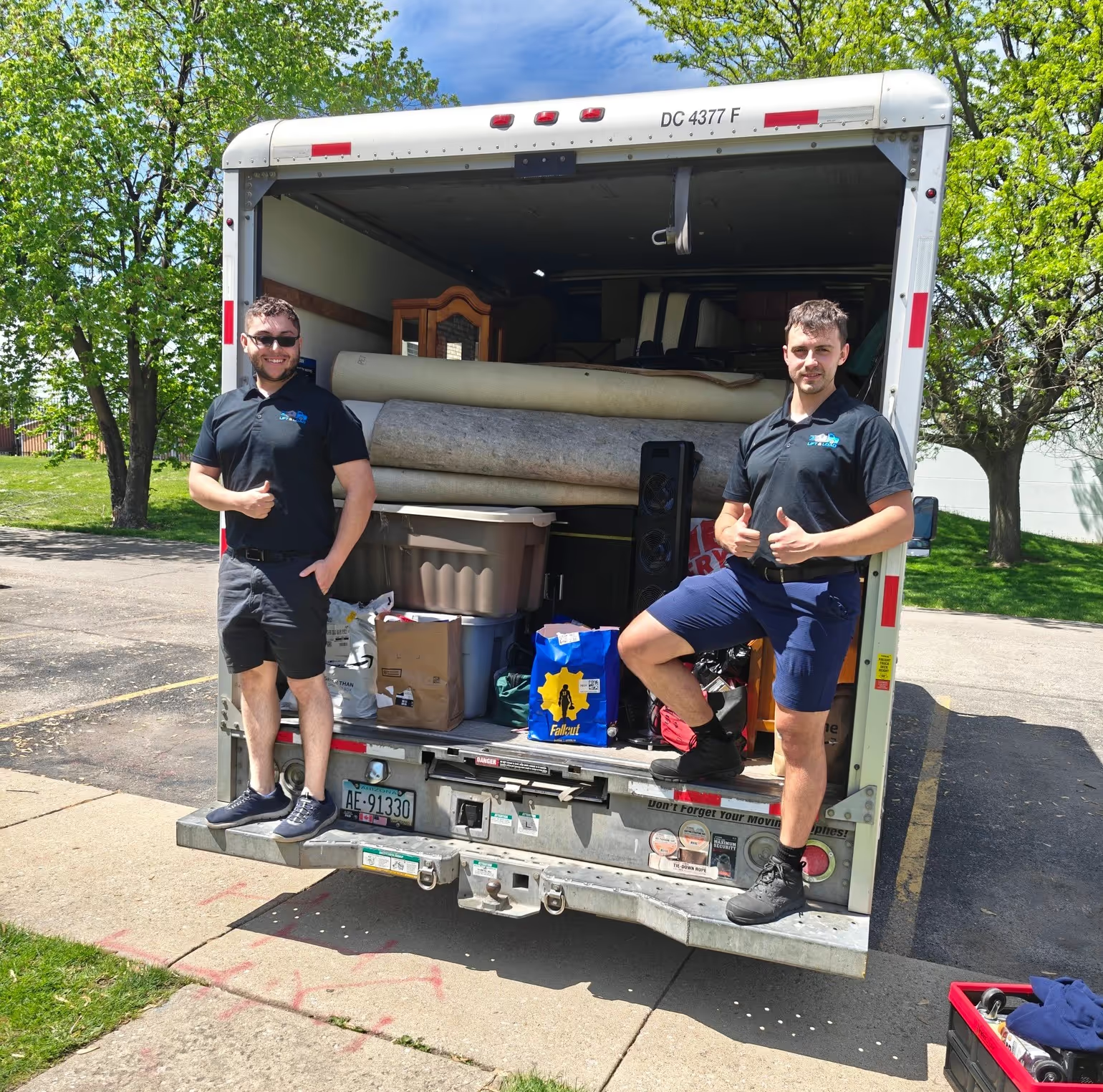
Experienced movers know that clothing is both durable and sensitive at the same time. They stack boxes so they do not crush wardrobe cartons and they treat luggage and garment bags with care. Companies like Lift and Load provide dependable local moving support, using efficient packing strategies so clothing travels safely with the rest of your belongings.
A Calmer Way To Pack The Closet
Packing clothes does not have to feel like a race. Take your time, work through one section at a time, and keep a small donation bag nearby for anything you decide not to keep. When you combine planning and good techniques, the best way to pack clothes for moving becomes a smooth, simple routine.
Let Lift And Load Make Clothing Packing Easier
When you want the best way to pack clothes for moving without lifting every box yourself, having a trusted team helps. Lift and Load can assist with packing, loading, and careful transport so your wardrobe arrives ready for your next chapter. If your relocation spans cities or states, their long distance moving assistance can simplify the process from start to finish. To talk through your move, you can call 224-404-0069 or email piotr@liftandloadmoving.com for friendly support.
FAQs
The best way to pack hanging clothes for moving is to use wardrobe boxes or garment bags, keeping garments on their hangers and grouped by type. This prevents wrinkles and makes unpacking faster. If you do not have wardrobe boxes, use sturdy bags over hangers and tie them at the bottom.
For delicate and formal clothing, place each item on a hanger and use garment bags or wardrobe boxes whenever possible. If folding, use tissue paper between layers to reduce friction and creases. Avoid stuffing these pieces tightly into boxes. Clearly label the containers so movers know to keep them upright and secure.
You can sometimes leave lightweight, non breakable clothes in dresser drawers if the furniture is sturdy and movers agree it is safe. Remove heavy items or anything that could shift sharply in transit. Secure drawers with plastic wrap or straps so they stay closed. When in doubt, pack clothes separately to protect both dresser and garments.
Your first week bag should include a few days of comfortable outfits, sleepwear, socks, undergarments, and one or two work or event ready pieces. Add a light jacket, basic shoes, and items like belts or scarves you wear often. Keeping this bag with you, not on the truck, ensures you can get dressed easily without opening multiple boxes.
Your first week bag should include a few days of comfortable outfits, sleepwear, socks, undergarments, and one or two work or event ready pieces. Add a light jacket, basic shoes, and items like belts or scarves you wear often. Keeping this bag with you, not on the truck, ensures you can get dressed easily without opening multiple boxes.
Still have questions?
How to move with us?
Hit the “Get a Quote” button and tell us what you need.
Choose the service, date, and time that work best for you.
Our friendly team shows up on time and gets everything done safely.
Sit back while we take care of the rest.
.avif)