
How to Move a Treadmill Safely Without Damage or Injury

Knowing how to move treadmill equipment correctly is essential when relocating or rearranging your home gym. Treadmills are heavy, bulky, and contain sensitive mechanical and electronic components. Moving one without proper preparation can lead to personal injury, damaged flooring, or costly repairs. Whether you are moving across the house or preparing for a full relocation, this guide explains everything you need to know to move a treadmill safely and efficiently. If you want expert help from experienced professional moving services, planning ahead makes all the difference.
Why Moving a Treadmill Requires Careful Planning
A treadmill is not just heavy weight equipment, it is also unbalanced and awkward to handle. Motors, belts, frames, and consoles must stay protected during movement. Even folding treadmills can weigh over two hundred pounds and shifting that weight incorrectly can strain muscles or cause accidents. Planning each step reduces risk and protects your investment.
Tools and Supplies Needed to Move a Treadmill
Before starting, gather the proper tools and supplies. You will need a set of basic hand tools such as Allen wrenches or screwdrivers for disassembly. Moving straps help distribute weight and improve control. An appliance dolly or heavy duty furniture dolly is essential for safe transport. Packing tape, stretch wrap, and moving blankets protect surfaces and electronic components. Gloves with grip improve safety and control.
Step One Power Down and Prepare the Treadmill
Begin by unplugging the treadmill and allowing it to cool completely. Remove the safety key and store it in a labeled bag. Clean dust and debris from the belt and motor area to prevent shifting dirt during the move. Secure the power cord to the frame using tape or wrap so it does not drag or get caught.
Step Two Disassemble the Treadmill Correctly
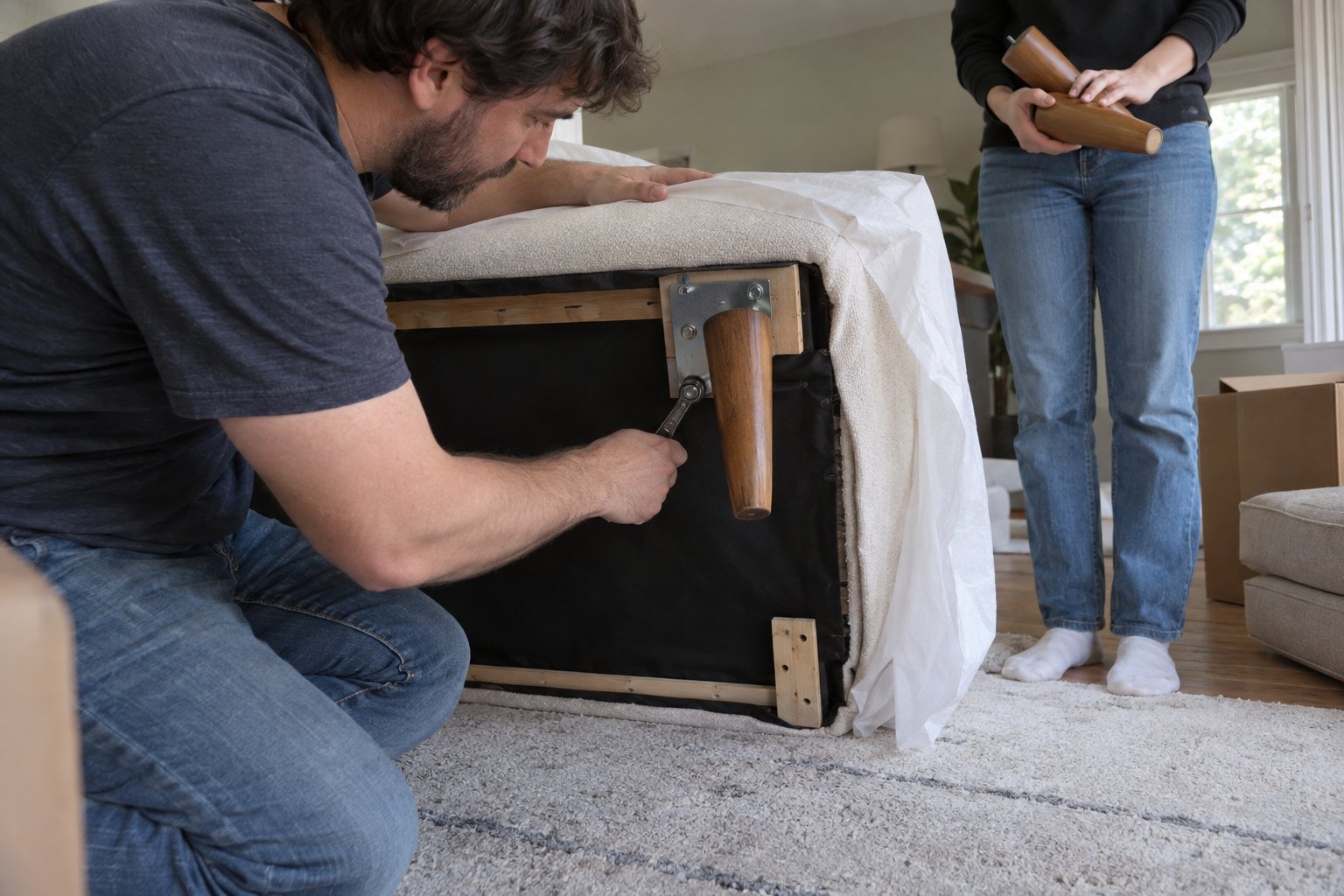
Most treadmills are designed to be partially disassembled for moving. Remove the console, handrails, and upright supports if the manufacturer allows it. Keep all bolts and screws in labeled bags so reassembly is easier later. Folding treadmills should be locked into their folded position before transport.
Never force parts apart. If resistance is encountered, double check the manual or stop to avoid damaging components.
Step Three Protect Fragile and Electronic Components
The console and display panel are among the most delicate parts of a treadmill. Wrap these components in packing paper followed by bubble wrap. Secure the wrapping with tape without placing adhesive directly on screens. Cover exposed metal or painted surfaces with moving blankets to prevent scratches.
Step Four Measure Pathways and Clear the Route
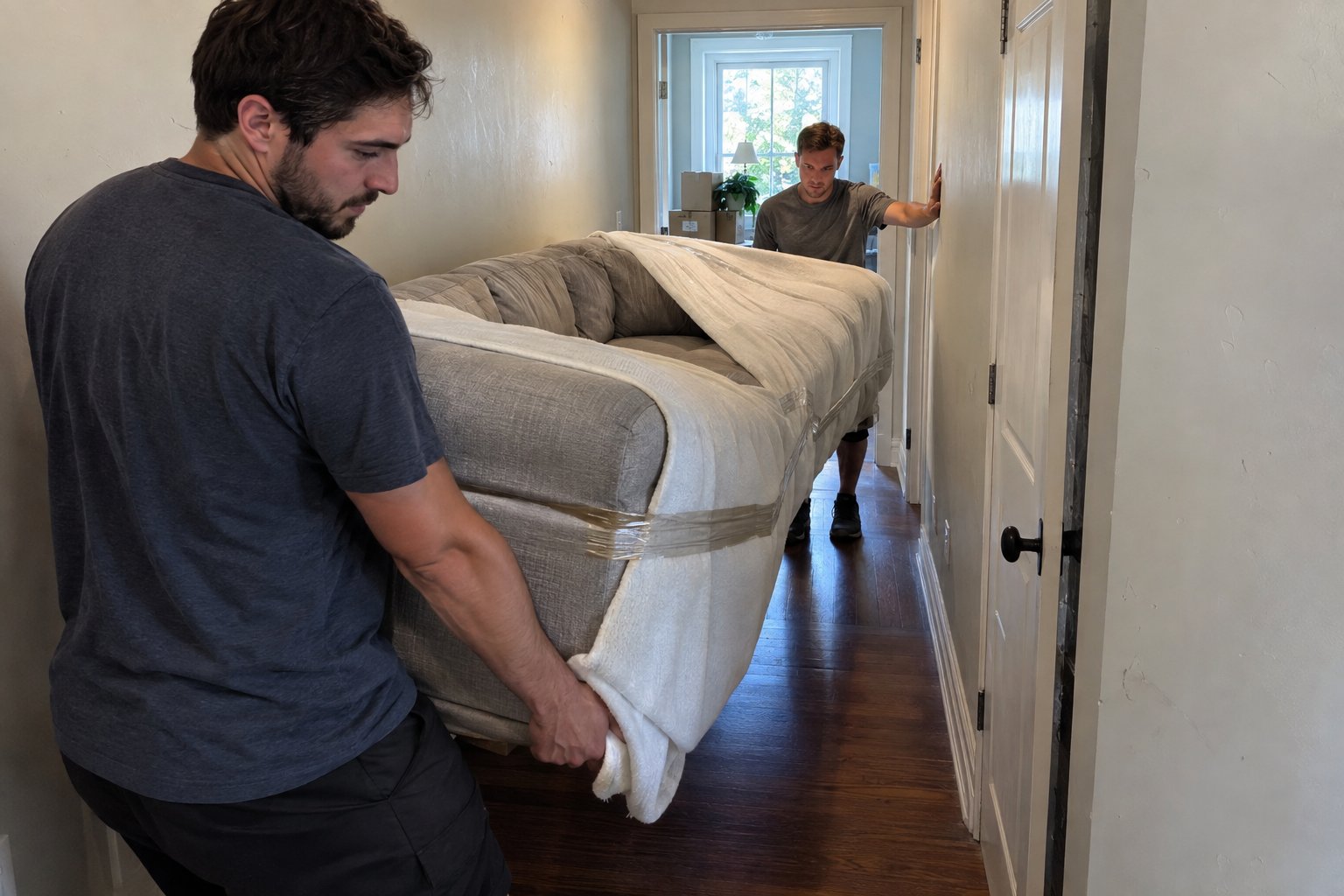
Measure doorways, hallways, staircases, and elevators before attempting to move the treadmill. Treadmills are long and wide even when folded. Remove doors or obstacles if necessary. Clear rugs, cords, and furniture from the path to prevent tripping or tipping.
Planning the route in advance avoids sudden stops that can cause injury or damage. If stairs or tight corners are involved, working with local moving professionals can significantly reduce risk.
Step Five Load the Treadmill Onto a Dolly
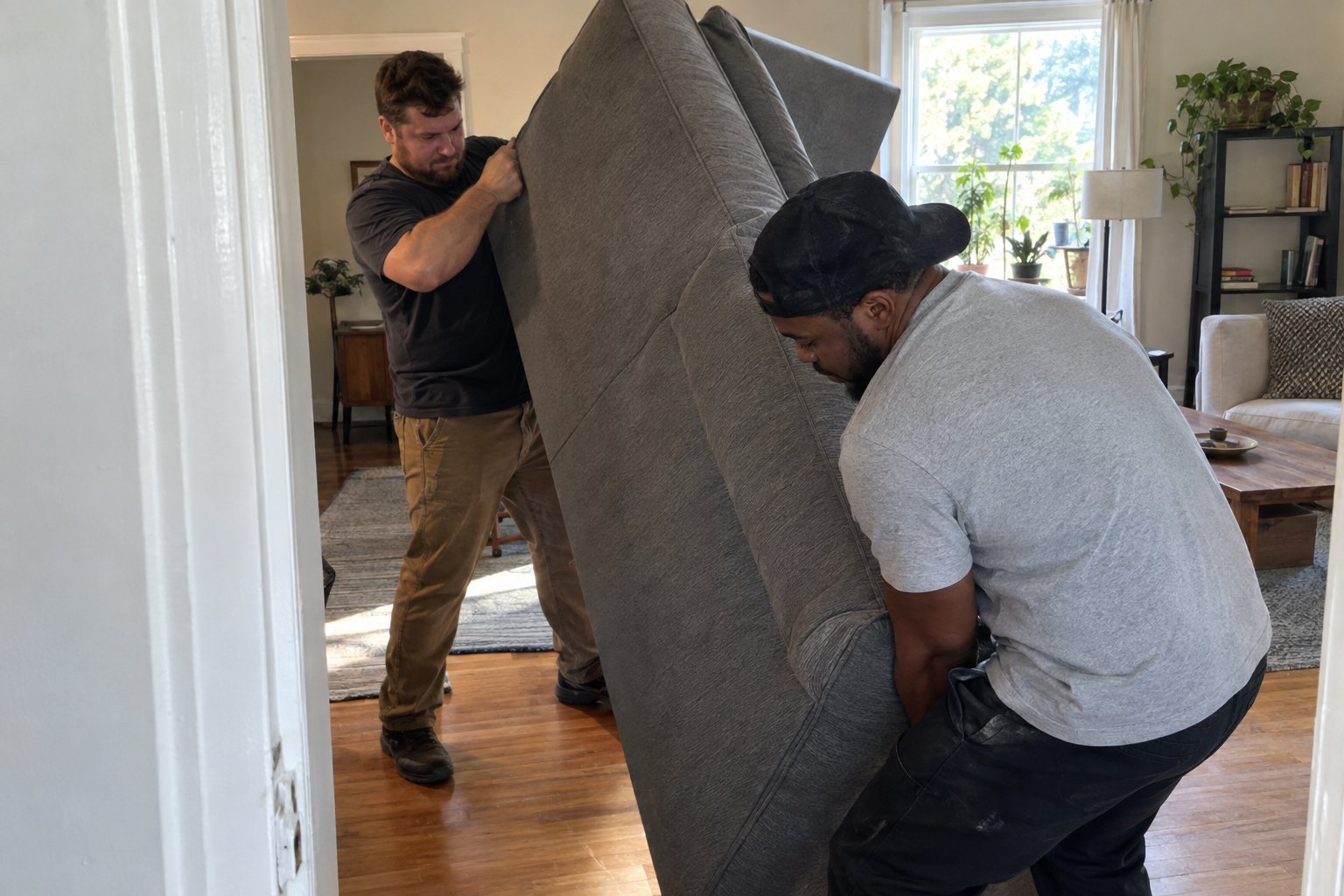
With at least one helper, carefully tilt the treadmill and slide the dolly underneath the heaviest section, usually the motor base. Secure the treadmill tightly to the dolly using moving straps. Keep the unit balanced and upright as much as possible.
When navigating stairs, one person should guide from below while another stabilizes from above. Move slowly and communicate clearly at every step.
Can You Lay a Treadmill on Its Side
Many people ask if it is safe to lay a treadmill on its side. In most cases, keeping the treadmill upright is best. Laying it on its side can stress the frame or damage internal components if not supported properly. If space requires tilting, ensure padding is used and avoid placing pressure on the console or motor housing.
Transporting a Treadmill in a Moving Truck
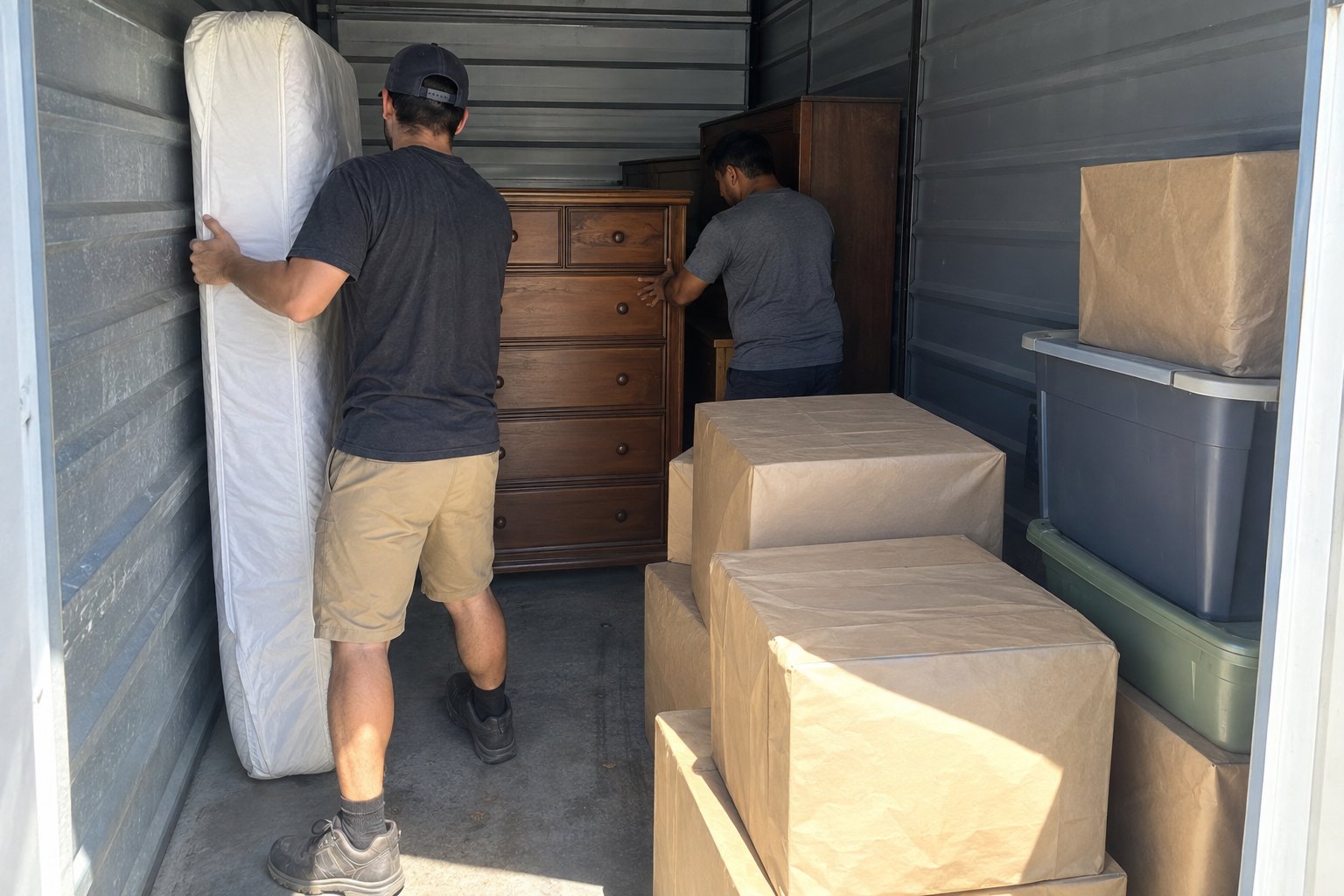
Position the treadmill against a solid wall of the truck. Use straps to secure it so it cannot shift during transit. Never place heavy furniture on top of the treadmill. Sudden movement during transport can damage belts, frames, or electronics even if the exterior appears protected.
Step Six Unloading and Reassembling the Treadmill
Once at the destination, unload the treadmill carefully using the same controlled techniques. Place it in its final location before removing protective materials. Reassemble components using the labeled hardware bags. Ensure all bolts are tightened properly and the unit is stable before plugging it in.
Test the treadmill at a low speed first to confirm it is functioning correctly before full use.
Common Mistakes to Avoid When Moving a Treadmill
One common mistake is attempting to move a treadmill alone. This significantly increases the risk of injury. Another mistake is skipping disassembly and trying to force the treadmill through tight spaces. Improper use of dollies or lack of securing straps can also lead to accidents.
Rushing the process often results in damaged equipment or property. Taking time to plan and prepare is always safer.
When to Hire Professional Movers for a Treadmill
Professional movers should be considered if the treadmill is extremely heavy, stairs are involved, or access is limited. Movers have specialized equipment and experience handling fitness machines safely. This is especially important during full household moves where multiple heavy items are involved.
How Professional Movers Handle Treadmill Moves
Professional movers disassemble treadmills properly, protect components with appropriate materials, and use heavy duty dollies designed for large equipment. They coordinate movement carefully and secure items properly in the truck. This expertise minimizes damage risk and saves time.
Final Thoughts on How to Move Treadmill Equipment Safely
Understanding how to move treadmill equipment safely helps prevent injuries and costly damage. Proper tools, careful disassembly, and controlled movement are essential. While some moves can be handled with help, many situations benefit from professional support.
If you are planning a larger relocation and want dependable long distance moving services, Lift and Load is ready to help. You can contact the team at piotr@liftandloadmoving.com or call 224-404-0069 for clear guidance and stress-free moving support.



FAQs
Moving a treadmill without disassembly is risky and usually not recommended. Full size treadmills are bulky and difficult to maneuver through doorways. Partial disassembly reduces weight and size, making the move safer and lowering the risk of damage to the machine or your home.
At least two people are recommended to move a treadmill safely. The weight and uneven balance make solo lifting dangerous. Having a helper allows better control when lifting, stabilizing, and navigating stairs or tight spaces during the move.
Moving a treadmill on stairs is possible but risky without experience. The machine must be secured to a dolly and guided carefully. One person should support from below while another stabilizes from above to prevent slipping or tipping.
You should hire professional movers if stairs are involved, access is tight, or the treadmill is very heavy. Professionals use proper equipment and techniques, reducing injury risk and protecting the treadmill from damage during the move.
You should hire professional movers if stairs are involved, access is tight, or the treadmill is very heavy. Professionals use proper equipment and techniques, reducing injury risk and protecting the treadmill from damage during the move.
Still have questions?
How to move with us?
Hit the “Get a Quote” button and tell us what you need.
Choose the service, date, and time that work best for you.
Our friendly team shows up on time and gets everything done safely.
Sit back while we take care of the rest.
.avif)