
Where to Get Moving Boxes: Your Complete Guide to Finding Quality Packing Supplies
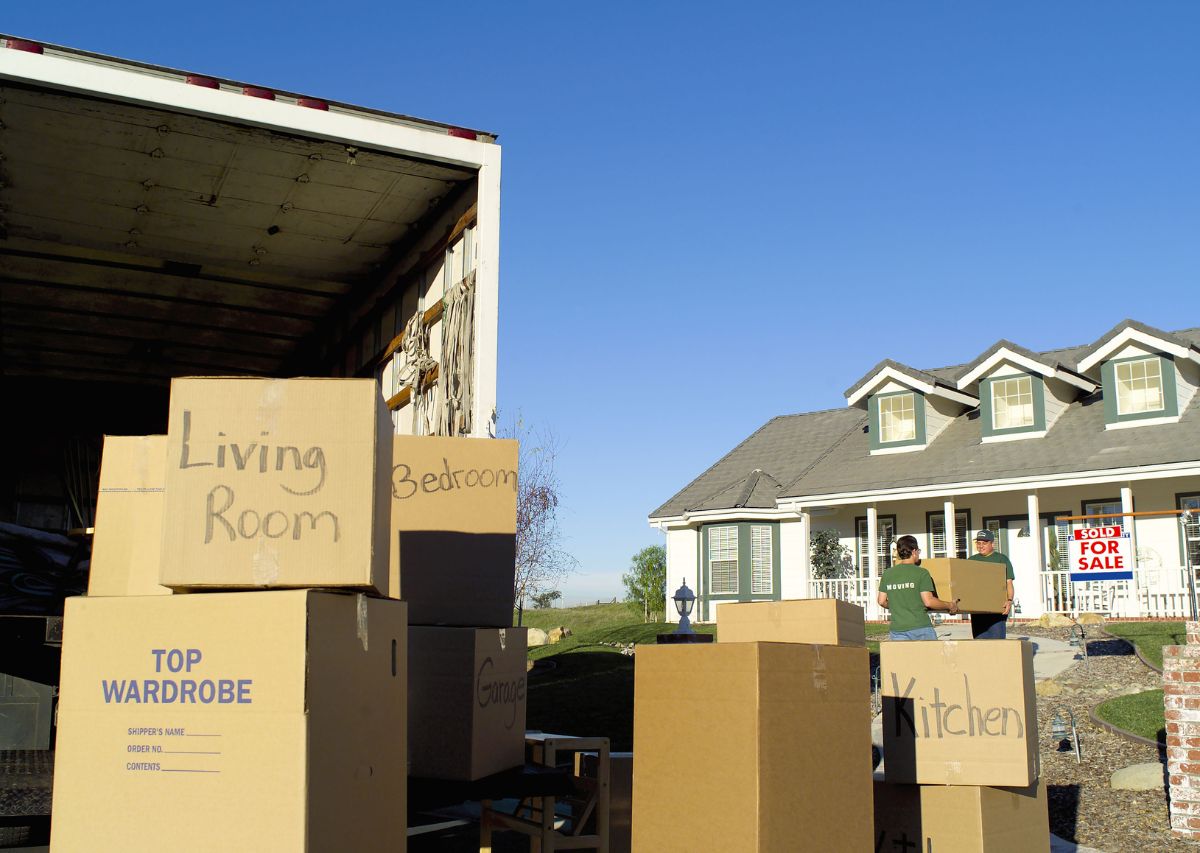
Understanding where to get moving boxes represents a critical first step in preparing for household relocation, as adequate quality packing materials directly impact belongings protection during transport. Moving boxes constitute essential infrastructure for any relocation project, yet many people delay acquiring boxes until moving day, creating last-minute scrambling that results in inadequate supplies or substandard materials. The sources available for where to get moving boxes range from free community resources to premium moving supply retailers, each offering distinct advantages and disadvantages affecting cost, availability, and box quality. This comprehensive guide explores all practical options for sourcing moving boxes, helping you identify the approach best suited to your timeline, budget, and specific moving requirements—whether you’re moving independently or working with professional moving services.
Understanding Moving Box Types and Specifications
Before determining where to get moving boxes, understanding different box types and specifications ensures you select appropriate materials for specific belongings. Standard corrugated cardboard boxes sized approximately 18 by 18 by 24 inches accommodate most household items and represent the most common moving box type. Smaller boxes measuring 12 by 12 by 16 inches suit heavier items like books or dishes that become unmanageable at larger sizes. Large boxes approximately 24 by 24 by 24 inches work for lightweight items including linens, pillows, and clothing that require space but not excessive structural strength.
Specialty boxes address specific packing needs including wardrobes for hanging clothes, dish kits with internal dividers protecting fragile items, and mirror or artwork boxes with padding for valuable pieces. Understanding your belongings composition and packing requirements guides decisions about where to get moving boxes that specifically match your needs rather than generic one-size-fits-all approaches. Miscalculating box types often results in purchasing excessive quantities of wrong-sized boxes while lacking appropriate options for specific items, creating inefficiency and wasted resources.
Box quality varies significantly between sources, with new boxes from moving supply retailers generally offering superior structural integrity compared to free boxes salvaged from retail environments. Used retail boxes previously containing groceries or merchandise often have weakened bottoms or damage that compromises packing effectiveness. Understanding quality implications of different box sources helps balance cost savings against protection requirements for your specific belongings.
Purchasing New Boxes from Moving Supply Retailers
Moving supply retailers provide new, high-quality boxes specifically designed for relocation, representing the most straightforward approach to where to get moving boxes with guaranteed quality and specifications. Major retailers including U-Haul, Home Depot, Lowes, and Box Bros specialize in moving supplies, offering wide box selections in various sizes and quantities. These retailers provide convenient access to complete moving packages including boxes, packing tape, bubble wrap, and protection materials, simplifying supply acquisition into single-location shopping.
Purchasing boxes directly from moving retailers ensures boxes meet industry standards for structural integrity and durability, providing confidence that belongings receive adequate protection during transport. Retail boxes typically feature proper wall thickness, reinforced bottoms, and manufacturing quality that prevents collapse or crushing during stacking and handling.
Finding Free or Recycled Boxes Locally
The most budget-friendly answer to where to get moving boxes involves collecting free boxes from local retailers, warehouses, and community members who have completed recent moves. Grocery stores, liquor stores, bakeries, and retail establishments regularly discard sturdy boxes that previously contained products, offering ideal sources for moving boxes at zero cost.
Online community groups including Facebook Buy Nothing groups, Nextdoor neighborhood apps, and Craigslist free sections frequently feature moving boxes offered by individuals who recently relocated. Contacting box providers directly allows negotiating pickup times and quantities that suit your schedule.
Professional Moving Companies and Box Sourcing
Professional moving companies often handle box sourcing as part of comprehensive moving services, eliminating concerns about where to get moving boxes for customers preferring complete relocation management. Movers provide quality boxes guaranteed suitable for belongings protection, boxes delivered to homes at appropriate times, and expertise regarding quantities needed for specific household sizes.
Many companies also offer professional packing services, where trained movers pack items using the correct box types and protective materials. This option significantly reduces packing time, minimizes damage risk, and ensures boxes are used efficiently. While professional services involve additional cost, they provide peace of mind and logistical simplicity for time-sensitive or complex moves.
Storage and Preparation of Acquired Boxes
Once determining where to get moving boxes and acquiring supplies, proper storage protects boxes from weather damage and contamination before packing begins. Storing boxes in dry locations prevents moisture absorption that weakens structural integrity and creates conditions promoting mold growth.
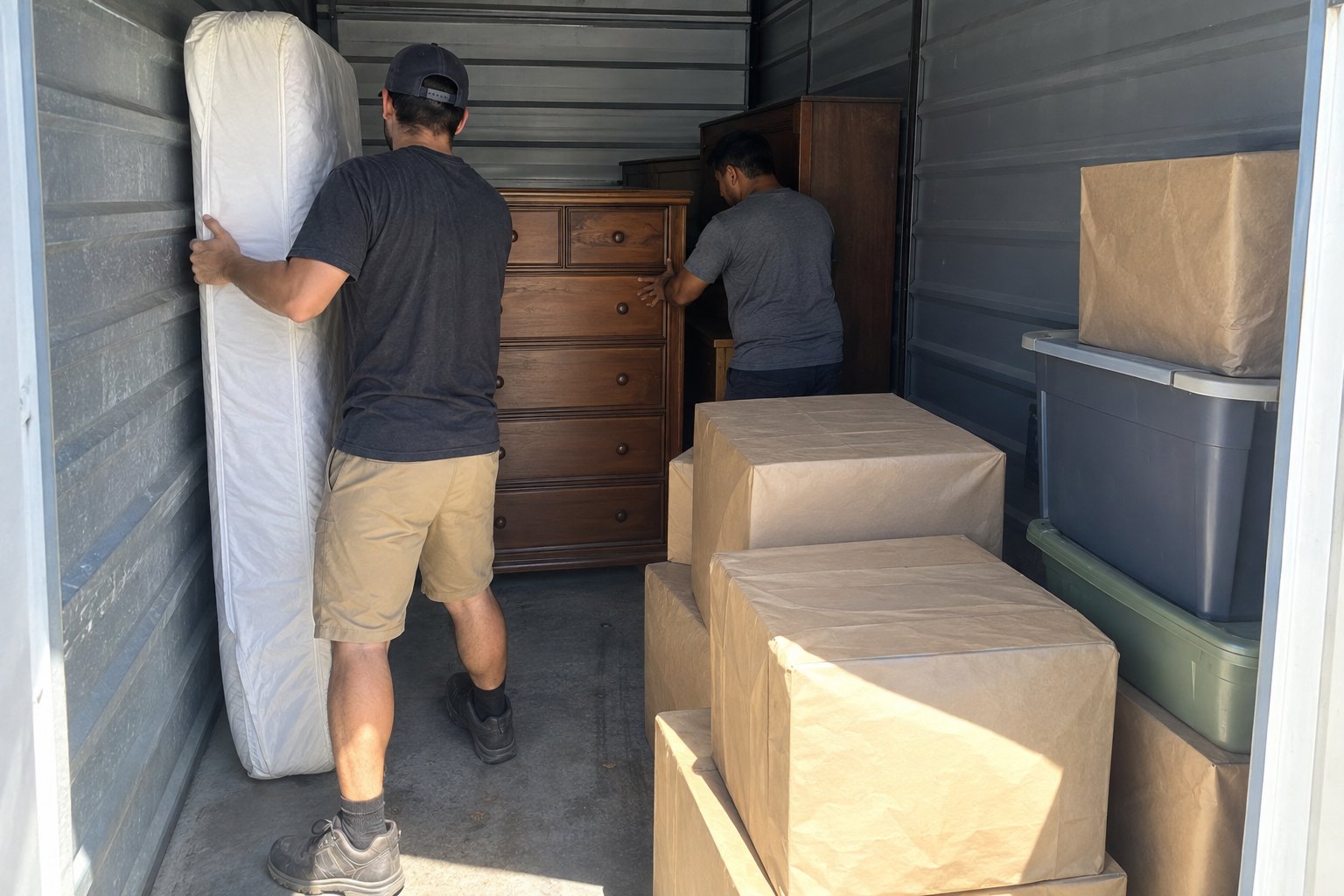
For moves involving delayed timelines or downsizing transitions, pairing box sourcing with secure storage solutions ensures belongings remain protected until final delivery. This approach simplifies logistics for moves with staggered schedules or temporary housing arrangements.
Streamlining Box Sourcing for Moving Success
Understanding where to get moving boxes and developing sourcing strategies well before moving dates creates the foundation for organized, efficient relocations. Whether sourcing free community boxes, purchasing new retail supplies, or relying on professional movers for materials and packing, proactive planning ensures belongings stay protected throughout transport.
At Lift and Load, we understand that box sourcing is just one part of a successful move. Our team helps customers determine appropriate box quantities, offers professional-grade materials, and integrates packing and storage into seamless relocation plans. Whether you prefer a DIY approach or full-service support, Lift and Load simplifies the entire moving process from start to finish.

FAQs
Free boxes are available from grocery stores, liquor shops, retail environments, and warehouses. Online community groups including Facebook Buy Nothing and Nextdoor feature boxes offered by people who recently moved. Universities generate abundant free boxes during semester transitions. Contact store managers and ask colleagues about saving boxes from recent moves or workplace supplies.
Most three-bedroom homes require 80 to 100 boxes depending on belongings volume. Kitchens need 12 to 15 boxes, bedrooms need 10 to 15 boxes each, and living rooms typically require 8 to 12 boxes. Heavy items like books require more small boxes while lightweight items need fewer large boxes. Calculate based on specific circumstances rather than generic averages.
Collecting free boxes from retailers, community members, and online groups costs nothing. Used boxes from storage facilities typically cost $1 to $3 each. New retail boxes from major retailers cost $3 to $5 each when purchased individually. Buying boxes in bulk quantities reduces per-box costs to $2 to $3 for new retail boxes at discount rates.
Begin collecting boxes 4 to 6 weeks before moving dates to allow gathering adequate quantities from free sources or ordering new supplies. Early acquisition prevents last-minute scrambling and allows inspection of free boxes for damage before packing begins. Building extra lead time provides buffer for unexpected delays in receiving ordered boxes.
Begin collecting boxes 4 to 6 weeks before moving dates to allow gathering adequate quantities from free sources or ordering new supplies. Early acquisition prevents last-minute scrambling and allows inspection of free boxes for damage before packing begins. Building extra lead time provides buffer for unexpected delays in receiving ordered boxes.
Still have questions?
How to move with us?
Hit the “Get a Quote” button and tell us what you need.
Choose the service, date, and time that work best for you.
Our friendly team shows up on time and gets everything done safely.
Sit back while we take care of the rest.
.avif)