
Moving Day Checklist: A Week-Before to Day-Of Guide
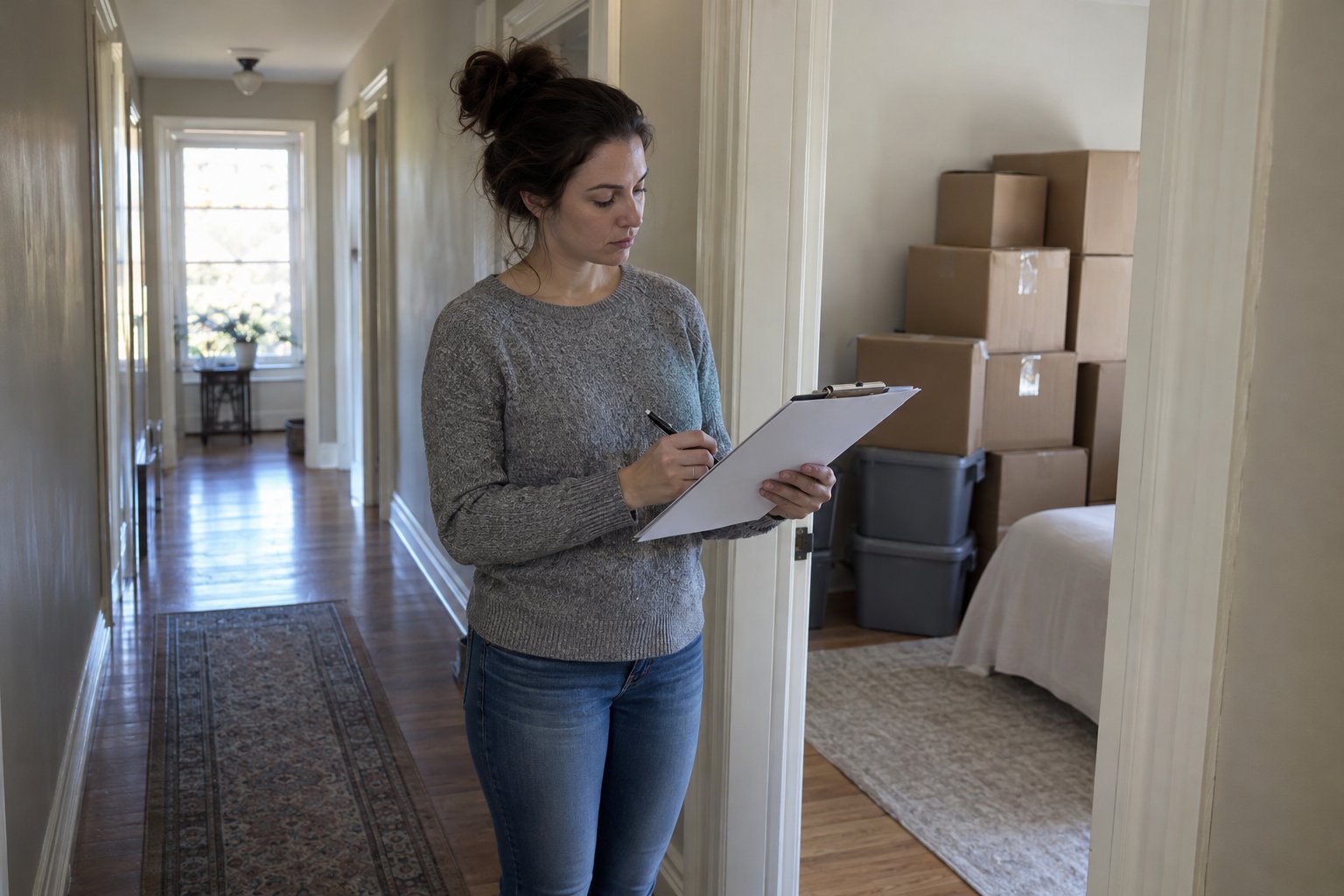
A reliable moving day checklist breaks the day into blocks of time instead of one giant to-do list, so you always know what should be happening right now and what comes next. The biggest time losses on moving day come from decisions nobody made in advance: where the truck parks, which room gets emptied first, who answers the door when the crew arrives. A written sequence fixes that before it costs you an hour.
Why a Written Sequence Beats a Mental List
A moving day checklist works because it moves decisions out of the stressful middle of the day and into the calm week before it. When everything lives in your head, the first interruption (a phone call, a kid asking a question, a box that won't tape shut) knocks the whole plan over. When it's written down and grouped by time block, you can hand pieces of it to other people and pick right back up where you left off.
This matters even more with a labor-only crew, since you're usually the one who already rented the truck or container and arranged the schedule. The crew's time matters most on moving day, so the fewer decisions they have to wait on, the smoother the whole thing runs.
The Week-Before Checklist
The week before moving day is for confirming logistics, not packing the last box. Treat this list as a set of phone calls and small tasks, each one removing a possible delay from the day itself.
- Confirm your crew's arrival window and any building rules. If you're in a high-rise or an HOA-managed building anywhere from Chicago, IL to Schaumburg, IL, check whether the building requires a reserved freight elevator or loading dock time, and share that window with your crew ahead of time.
- Reserve parking for the truck or container. Walk outside and look at where a truck would actually sit. If your street requires a permit or your driveway is narrow, sort that out now instead of on the morning of.
- File your change of address with USPS. Mail forwarding takes a few days to activate, so submitting it a week out means it's working by the time you're unpacking.
- Finish packing everything except a short list of last-day items. Boxes should be taped, labeled, and stacked by room so the crew isn't waiting on you to find tape at 9 a.m.
- Walk the home with your crew's needs in mind. Note anything that needs disassembly, like a bed frame or dining table, and anything with a tight turn, like a narrow stairwell or doorway.
What Should Happen the Night Before a Move?
The night before is for setting up tomorrow morning so nothing is a surprise. Pack a clearly labeled box or bag with the items you'll need before the truck is unloaded: medications, phone chargers, a change of clothes, toiletries, pet supplies, and any paperwork for the new place.
- Empty and defrost the refrigerator if it's coming with you, so it isn't sitting full of water or spoiled food on moving day.
- Charge phones and any dollies, drills, or tools you're providing for disassembly.
- Clear a path from the front door to the truck's parking spot, including porch furniture, toys, or trash cans.
- Set aside tip money in an envelope if you plan to tip the crew, so it isn't something you're digging for at the end of a long day.
- Confirm the time one more time with a text or call, especially if weather is questionable.
Moving Day, Hour by Hour
On the day itself, the plan shifts from preparation to execution: your job becomes directing traffic, answering questions, and staying out of the crew's way once loading starts. As a rule of thumb, plan for roughly an hour of walkthrough and loading time per room of furniture, more if stairs or long carries are involved.
- Before the crew arrives: do a final walkthrough of every room, confirm the last-day box is set aside, and make sure pets and kids have a safe space away from the main traffic path.
- When the crew arrives: walk them through the home, point out anything fragile or already disassembled, and flag any furniture that still needs to come apart.
- During loading: stay reachable but let the crew work. This is the time to answer questions about what goes where in the truck, not to start packing a last box.
- Before the truck leaves: do a final sweep of closets, cabinets, the garage, and any outdoor storage so nothing gets left behind.
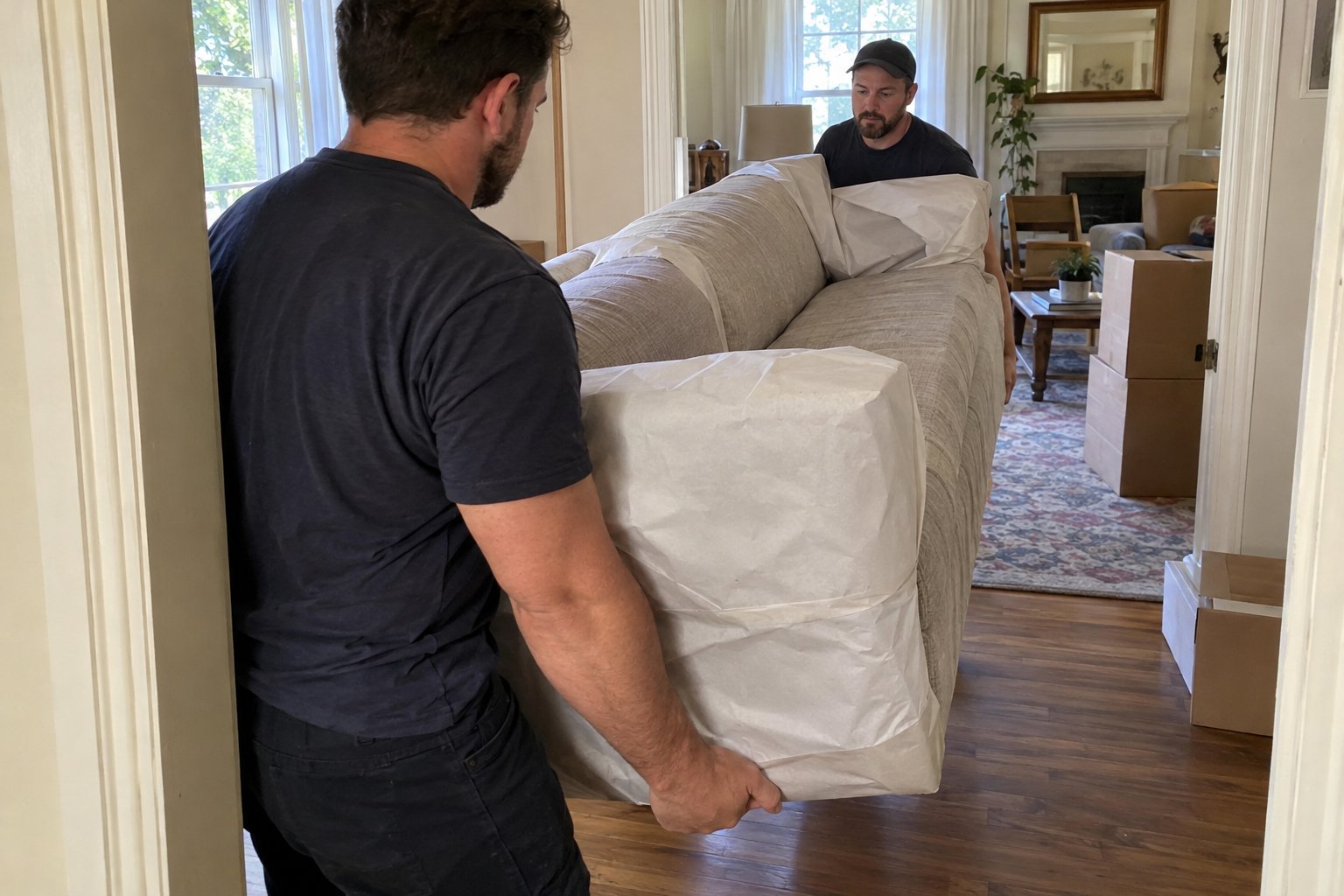
- At the new place: have a room-by-room plan ready so the crew can set furniture down once instead of moving it twice while you decide where it goes.
What Do You Need to Prepare Before Movers Arrive?
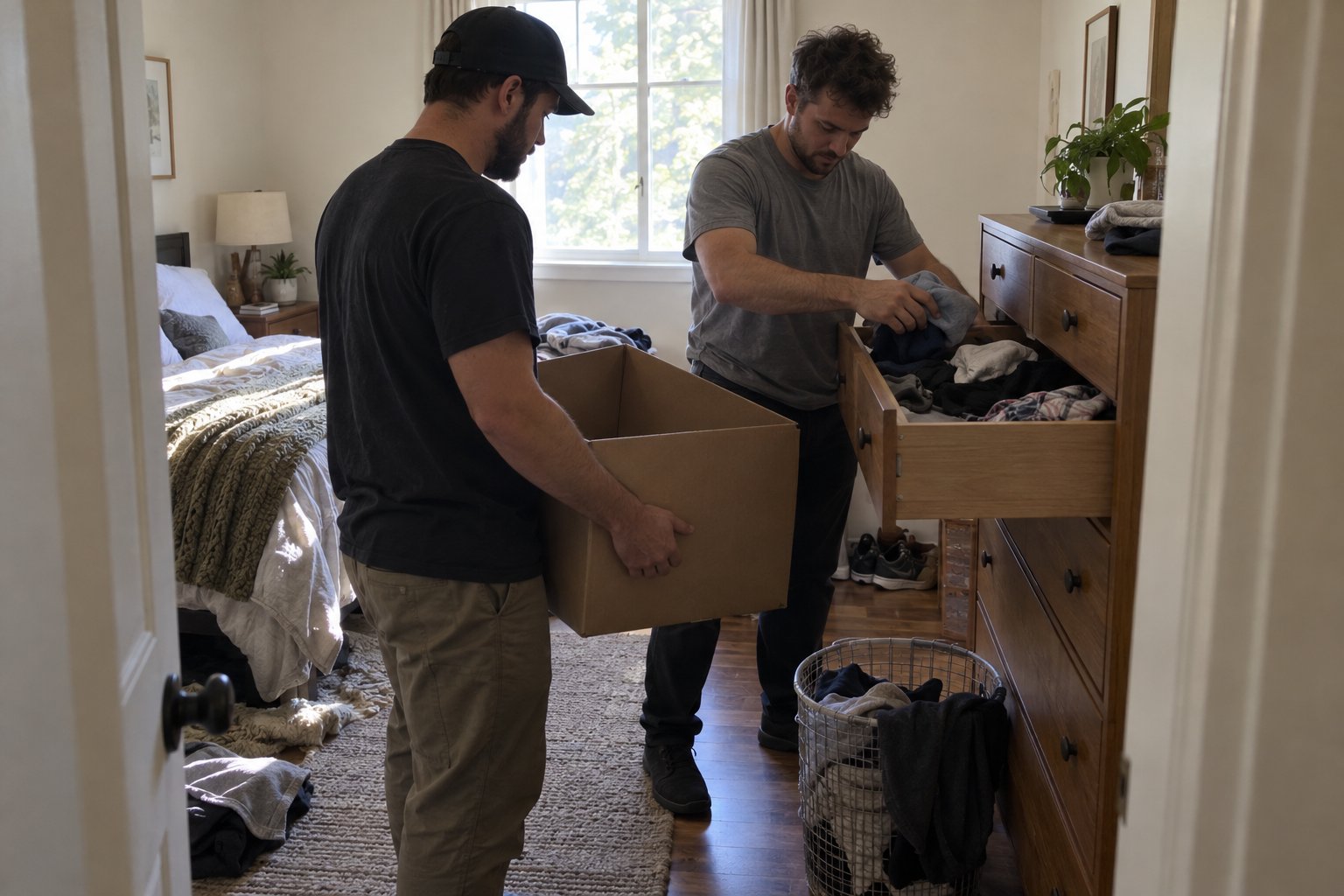
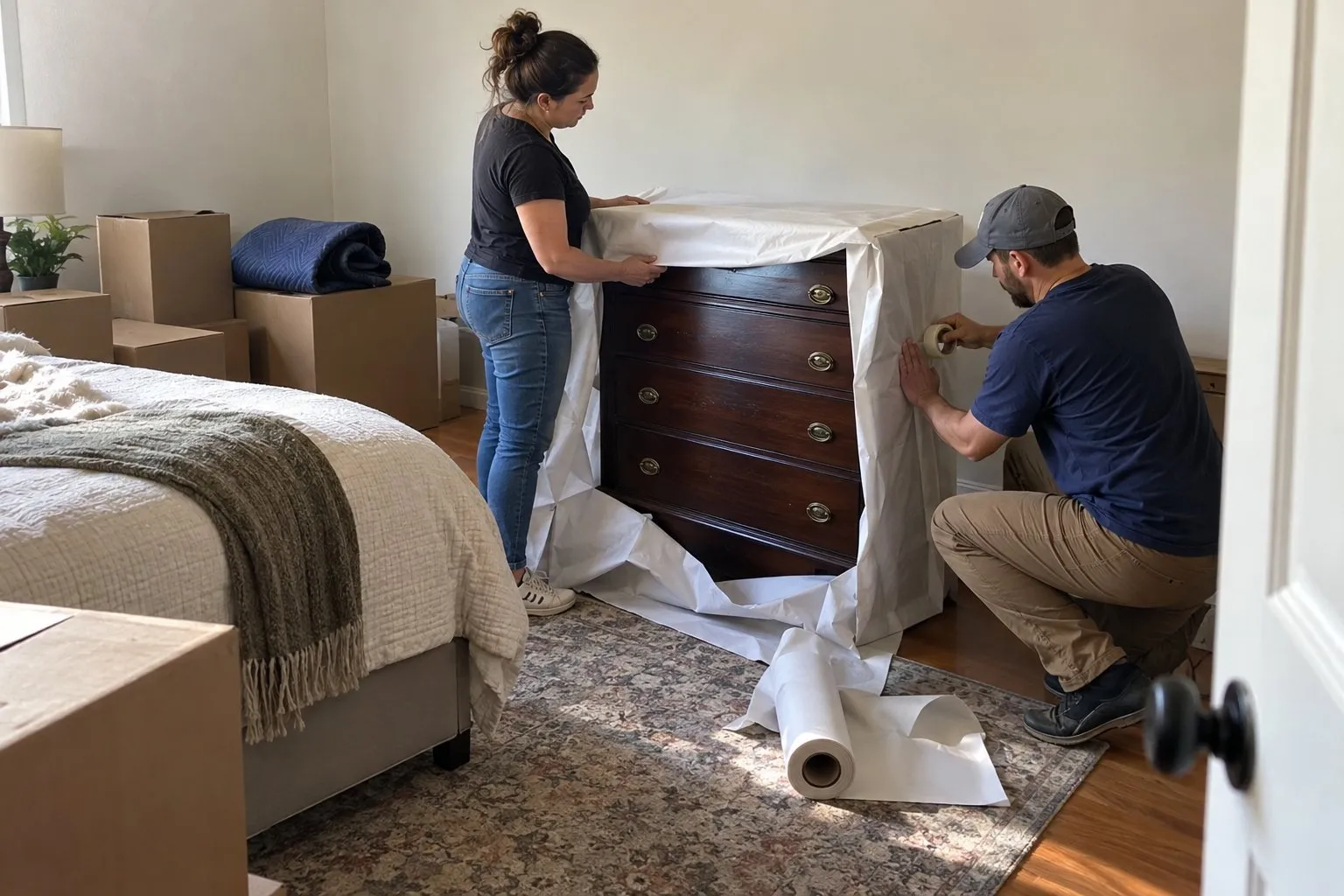
Movers need clear floors, emptied drawers, and a home that's ready to load the moment they walk in, since every minute spent waiting on you is a minute added to the day. Dressers and nightstands should be emptied (loaded drawers add weight and can slide open mid-carry), and pathways to the door should be clear of rugs, toys, and loose cords.
It also helps to separate anything that isn't moving, like donation boxes or trash, into a different room entirely so there's no confusion about what goes on the truck. If anything needs protecting, like floors, stair railings, or doorframes, have that conversation with the crew before loading starts rather than partway through.
Common Moving Day Mistakes That Cost Time
Most moving day delays come from a handful of repeat mistakes rather than bad luck. Watching for these ahead of time is often the difference between a four-hour move and a seven-hour one.
- Not confirming parking in advance, which can push the whole schedule back if the crew has to wait or find an alternate spot.
- Leaving disassembly for moving day when it could have been done the night before, especially for items like bed frames or dining tables.
- Mixing "keep" and "donate" boxes in the same pile, forcing the crew to stop and ask before loading anything.
- Underestimating stairs or long carries, which take longer than a straight shot from door to truck.
- Not having a plan for pets, which can mean an open door becomes a bigger problem than a missing box.
If anchoring furniture or securing a TV comes up as you reassemble at the new place, the CPSC's Anchor It guidance covers how to do that safely.
Building Your Own Moving Day Checklist
The best moving day checklist is the one built around your specific home, not a generic list copied from somewhere else. Walk through your own place room by room, note what needs disassembly, what needs protecting, and what you're carrying yourself versus handing to the crew, and write it down in the order it needs to happen.
If you're still deciding how much help you need for the day, a realistic estimate of crew size is worth sorting out before you finalize your timeline. And if your home has pieces that need special handling, like a china cabinet or a sectional sofa, give those extra minutes in your schedule rather than assuming they'll move as fast as a box.
Give Your Crew a Head Start
A labor-only crew works fastest when the plan is already decided before they ring the doorbell. Walking through your local move plan in advance, confirming parking, and having your checklist printed or saved on your phone turns a chaotic day into a predictable one.
For long-distance moves, the same hour-by-hour logic applies, just with more coordination around arrival timing; see the notes on long distance moving for how that timeline shifts.
Planning your move? Request a quote from Lift and Load Moving.
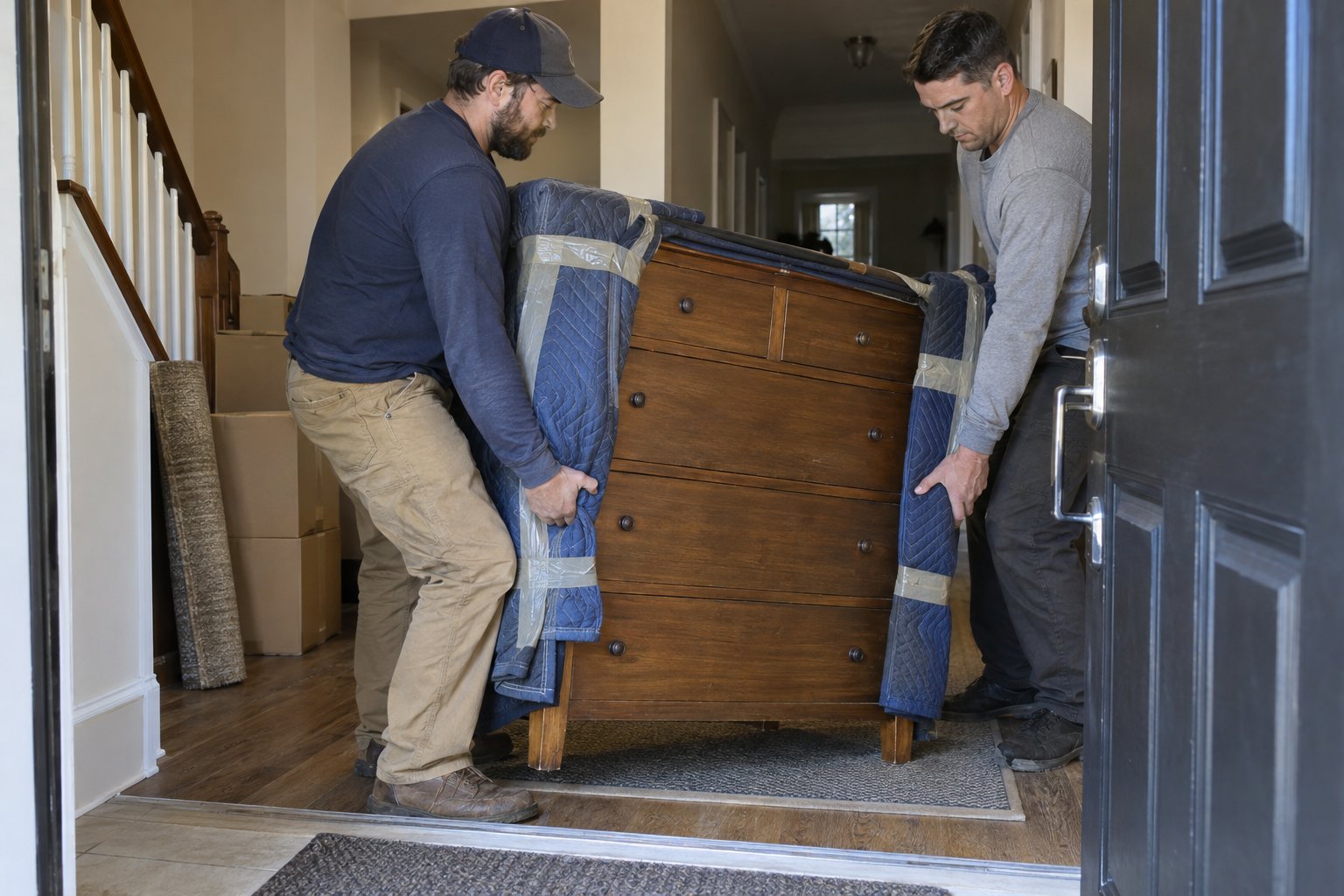



FAQs
Start with confirming logistics rather than packing: the crew's arrival window, truck parking, and building rules like a reserved elevator. Settling these a week ahead prevents the most common delays on the day itself.
A week out is enough time to confirm parking, file a change of address, and finish packing everything except last-day items. Starting earlier rarely changes the plan, since most tasks depend on dates getting closer.
Pack medications, chargers, a change of clothes, toiletries, pet supplies, and any paperwork you'll need before boxes are unpacked. Keep it separate from everything else so it never ends up buried in the truck.
Have a room-by-room plan ready so the crew can place furniture once instead of guessing and moving it twice. Walking through the new layout beforehand, even from photos, speeds this step up considerably.
Have a room-by-room plan ready so the crew can place furniture once instead of guessing and moving it twice. Walking through the new layout beforehand, even from photos, speeds this step up considerably.
Still have questions?
How to move with us?
Hit the “Get a Quote” button and tell us what you need.
Choose the service, date, and time that work best for you.
Our friendly team shows up on time and gets everything done safely.
Sit back while we take care of the rest.