
Curio Cabinet vs China Cabinet: How Moving Differs
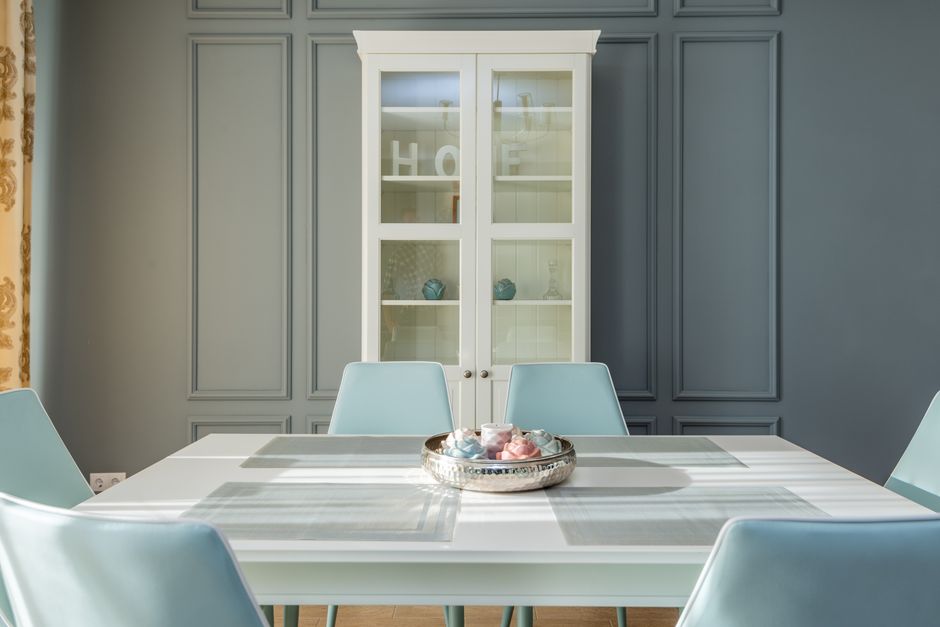
Knowing how to move a curio cabinet correctly is something most people don't think through until they're standing in the dining room staring at a six-foot glass-paneled display case packed with porcelain figurines, crystal stemware, and collectibles their grandmother left them — and realizing that none of it can stay inside the cabinet during the move, the glass doors are hinged and not removable at first glance, and the whole thing is both heavier and more fragile than anything else in the room. A curio cabinet looks manageable. It's furniture. It has legs and shelves and a back panel. How hard could it be? The answer is: harder than almost any other piece in the house, and the mistakes people make — carrying it with contents inside, skipping the door removal step, gripping the glass instead of the frame — routinely result in shattered glass panels, cracked corner joints, stripped hinge screws, and at least one broken shelf before the cabinet ever reaches the truck.
Need a professional crew to handle the heavy lifting so your curio cabinet and furniture arrive without damage? Call 224-404-0069 or get a free labor-only moving quote from Lift & Load today.
Why Moving a Curio Cabinet Is Harder Than It Looks
The first problem is the glass. A curio cabinet is not just a wooden box — it is a structure built around glass, often on all four sides including the top and sometimes the back. The side panels are glass. The doors are glass. In many models, the internal shelves are glass too. Glass panels in furniture are not tempered the way car windshields are. They are standard annealed glass, which means they don't flex — they crack, and when they crack, they do it in long diagonal lines that run from corner to corner and turn a repairable scratch into a write-off. Any lateral torque, any uneven lift, any sharp contact with a door frame or wall corner introduces exactly the kind of stress these panels were not designed to handle.
The second problem is the frame. Most curio cabinets are built from medium-density fiberboard, thin hardwood veneer, or lightweight solid wood — none of which handles mechanical stress the way a solid hardwood dresser or bookcase does. The joints are glued and stapled, not mortise-and-tenon. The legs are doweled into the base, not bolted. The top is typically attached with a handful of screws through a rail rather than structural fasteners. When you pick up a curio cabinet by its sides and carry it any distance, you are asking joints that were designed to hold static weight to absorb dynamic forces — twisting, bouncing, side-loading — that they simply weren't engineered for.
The third problem is height and center of gravity. A standard curio cabinet stands anywhere from 60 to 78 inches tall on a base that may be only 14 to 18 inches deep. That's a tall, narrow column of glass and lightweight wood. At rest on a flat floor, it's stable. The moment you tilt it to get it through a doorway — which you will almost certainly have to do — the center of gravity shifts dramatically, the glass panels go from compression to tension, and the base legs, already the weakest structural points in the whole piece, take the full load at an angle they were never designed for.
What You Need Before You Start
Moving a curio cabinet safely requires preparation that goes well beyond emptying the shelves. Before you lift anything, make sure you have the following in place:
- At least two people — one person cannot safely carry a curio cabinet alone. You need a second person for balance, door management, and stair navigation at minimum. Add a third for anything involving a staircase or a tight landing.
- Moving blankets or furniture pads — you need these wrapped around every exposed glass surface before the cabinet moves an inch. Glass panels that aren't padded will make contact with door frames, railings, and other furniture in transit.
- Painter's tape or packing tape — applied in an X pattern across all glass panels (doors, sides, and any glass shelves) before moving. If a panel cracks, the tape holds the shards together and prevents a dangerous scatter.
- A screwdriver — for removing the cabinet doors from their hinges before moving. This is not optional. Cabinet doors are the most vulnerable component and the most likely to swing open, catch a frame, and shatter.
- Cardboard or foam sheeting — for wrapping glass shelves individually after removal. Never stack glass shelves loose.
- A furniture dolly — for moving the cabinet across any flat surface. Do not drag a curio cabinet. The legs will snap or the veneer base will split.
- A tape measure — measure the cabinet's height and width, then measure every doorway and hallway on the path to the truck. Know before you lift whether the cabinet needs to be tilted to pass through.
How to Move a Curio Cabinet Step by Step
Step 1: Remove Everything Inside
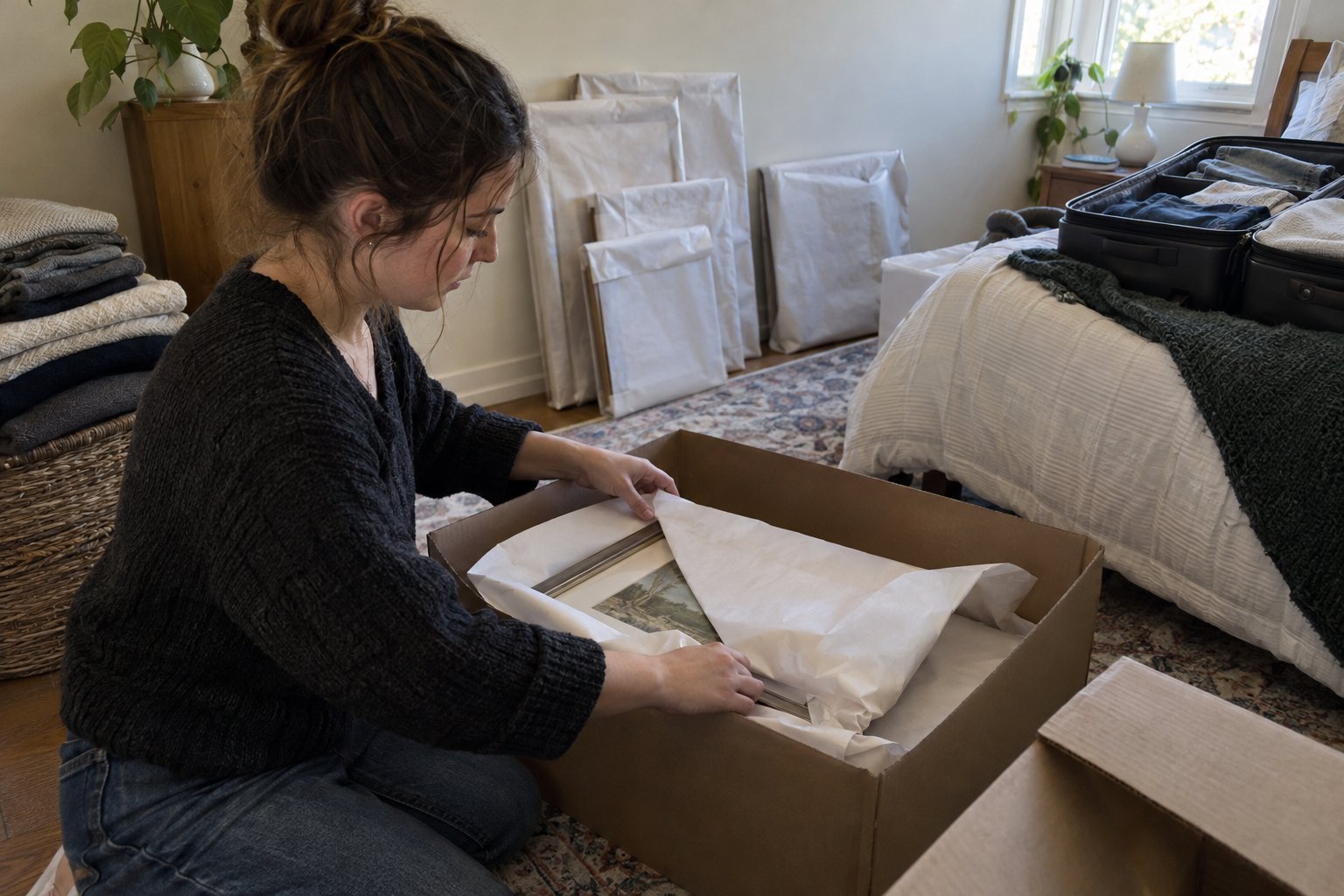
This is non-negotiable. Every figurine, every piece of crystal, every framed photo, every collectible comes out before the cabinet moves. Not "mostly out" — completely out. Items left on glass shelves add weight at the worst possible point (high and centered), shift during the carry, and can slide into a glass panel hard enough to crack it from the inside. Wrap each item individually in packing paper or bubble wrap and box them separately before you touch the cabinet.
Step 2: Remove the Glass Shelves
Most curio cabinet shelves rest on small metal or plastic pins seated in drilled holes along the interior side walls. Lift each shelf straight up and off the pins, then set it aside. Wrap each glass shelf in moving blankets or foam sheeting immediately — never lean glass shelves against a wall without padding, and never stack them directly on top of one another without a layer of protection between them. Label each shelf if the cabinet uses different sizes at different heights.
Step 3: Remove the Doors
Curio cabinet doors are hinged, and those hinges are attached to the frame with small screws that strip easily under lateral pressure. Before you carry the cabinet anywhere, open each door, support it with one hand, and use a screwdriver to back out the hinge screws from the cabinet-side leaf of each hinge. Set the doors aside and wrap them in moving blankets. If the hinges are non-removable piano hinges, tape the doors shut and pad the exterior glass heavily — but removal is always the safer option when possible.
Step 4: Apply Tape to All Remaining Glass Panels
The side panels and back panel (if glass) are not removable in most curio cabinet designs — they are set into routed grooves in the frame and held in place by the structure itself. Before moving the cabinet, apply painter's tape or masking tape in an X pattern across each glass panel, edge to edge. This doesn't prevent cracking, but it contains it. A cracked panel held together by tape is a repair or replacement; a cracked panel without tape is a hazard and a scattered mess.
Step 5: Wrap the Entire Cabinet
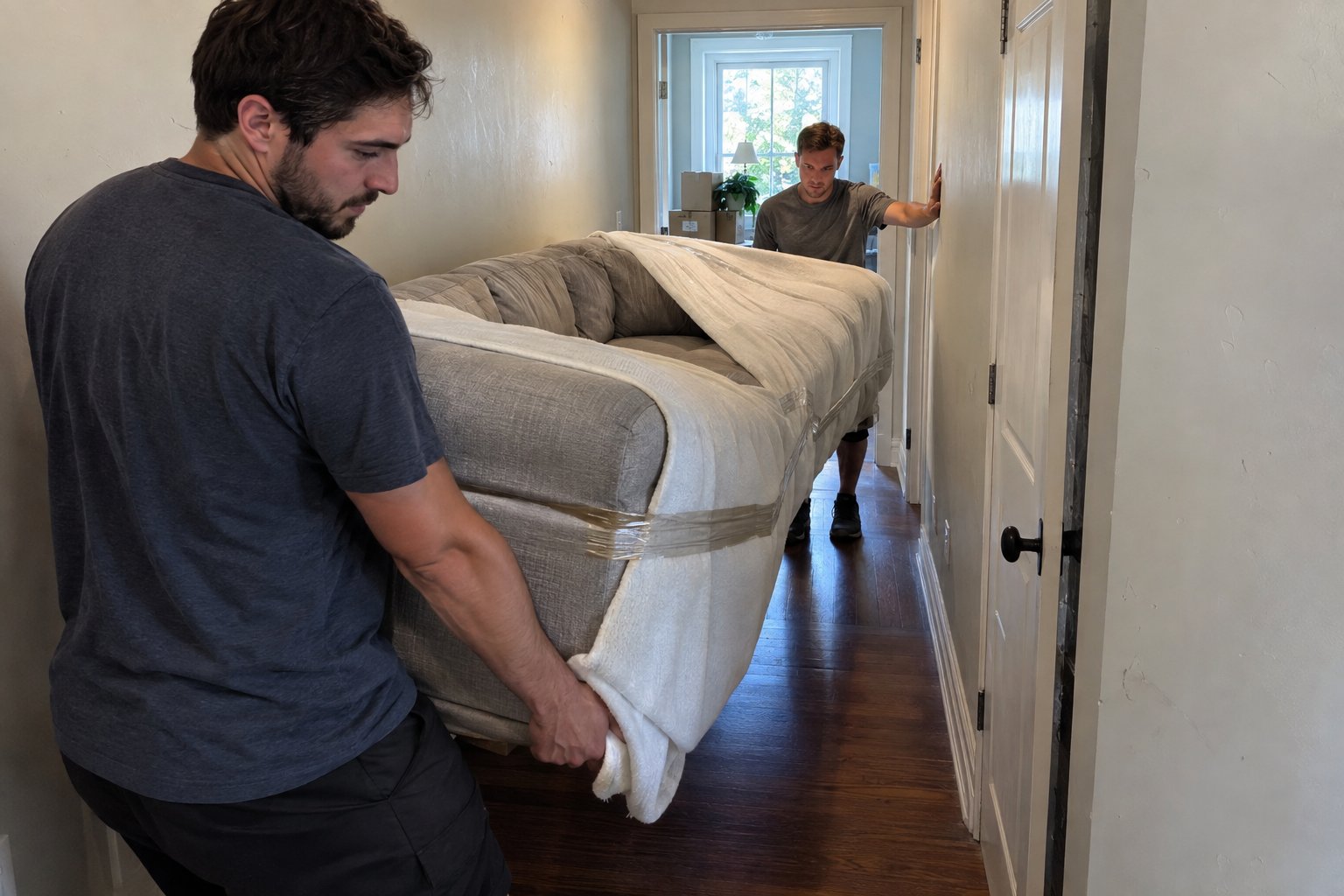
Wrap the cabinet fully in moving blankets — sides, top, base, and corners. Secure the blankets with stretch wrap or moving bands. Pay particular attention to the corners, which are both the weakest structural points and the most likely to make contact with door frames during the carry. If the cabinet has decorative finials or carved molding at the top, pad those points individually before wrapping.
Step 6: Move the Cabinet on a Dolly
Tilt the wrapped cabinet carefully onto a furniture dolly — one person holds the cabinet steady while a second slides the dolly underneath. Never drag a curio cabinet across a floor. The legs will catch on transitions, the base veneer will tear, and if a leg snaps mid-drag, the cabinet will drop onto a hard floor without warning. Roll the cabinet on the dolly to the exit point.
Step 7: Navigate Doorways and Stairs
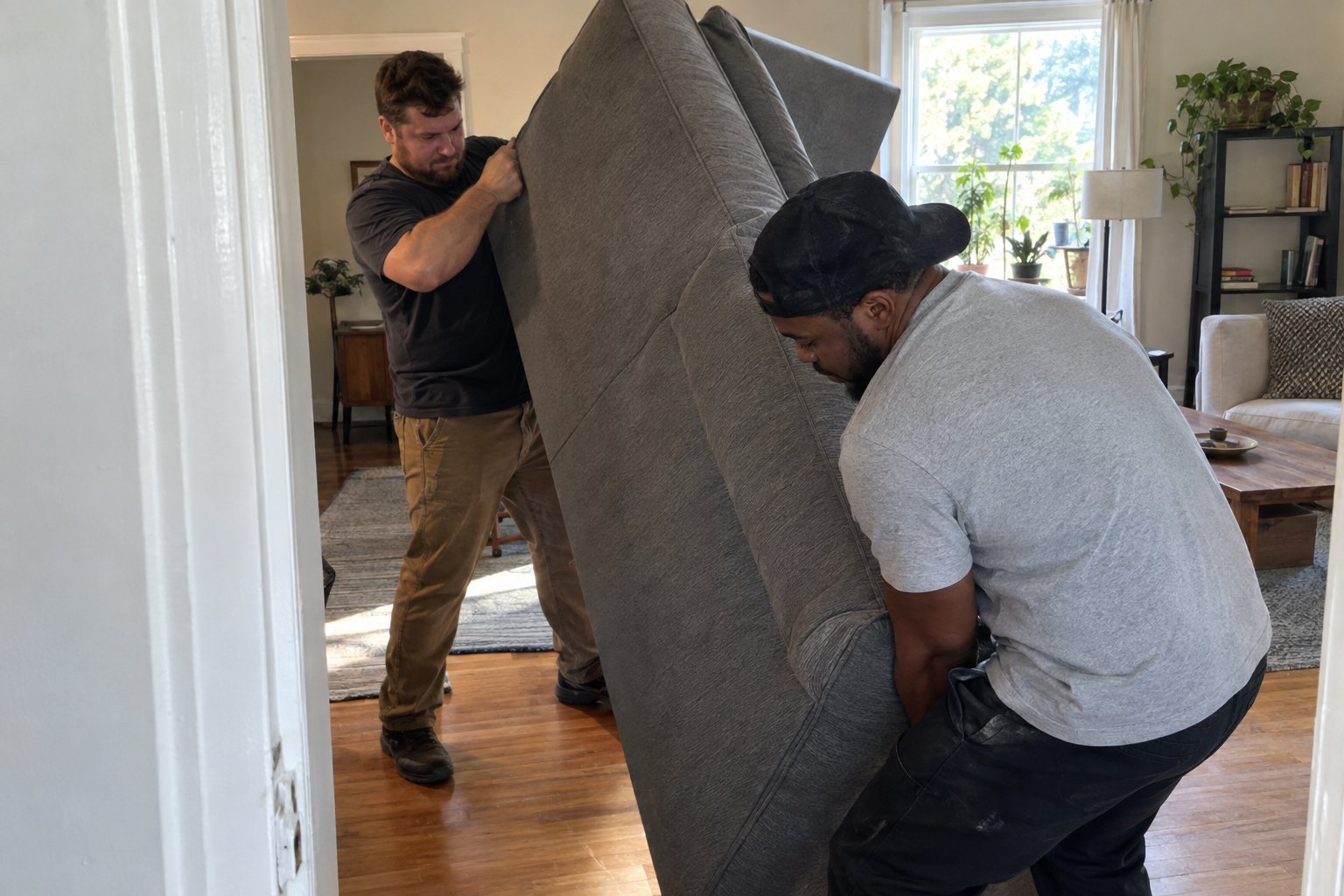
At doorways, measure before you tilt. If the cabinet height exceeds the doorway width when tilted, you may need to partially disassemble — remove the top if it's attached with screws, or remove the base molding if it adds height. For most standard doorways, the cabinet can be tilted carefully onto its side and slid through with one person guiding each end. On stairs, remove the dolly and carry the cabinet directly, with one person on the upper end and one on the lower end. Maintain a slow, even pace. Do not rush stairs with any glass-paneled piece.
Loading and Transport
In the truck, a curio cabinet should travel upright, not on its side. The glass panels are designed to handle vertical compression, not horizontal pressure. If the cabinet must travel on its side, place it on a padded surface with the back panel facing down — never with a glass side panel taking the load of the piece above it. Position the cabinet against a stable wall of the truck and brace it with other pieces or moving straps so it cannot shift during transit. Even moderate road vibration will walk an unsecured cabinet across a truck floor.
The glass shelves and doors should travel flat, stacked with padding between each piece, or standing on edge in a dedicated box or mirror carton. Do not put glass shelves in a box with other items. Mark the box "GLASS — FRAGILE" on all four sides and the top.
What to Do If You're Not Sure It's Safe to Move
Some curio cabinets — particularly antique pieces with original glass, hand-painted interiors, or structural damage from age — should not be moved without professional handling. If a cabinet shows visible joint separation, cracked veneer, or glass panels that are already stressed or repaired, the move carries a high risk of total loss. In those cases, the right call is to have a labor crew assess the piece in person before committing to a move plan. A professional crew that handles furniture daily will recognize risks that aren't obvious to someone moving for the first time, and they'll carry the right equipment to manage the exceptions.
Ready to stop guessing and get it done right? Call 224-404-0069 or request a free labor-only moving quote from Lift & Load — we handle the heavy, fragile, and complicated pieces so you don't have to.


FAQs
Yes — always. Glass shelves left inside the cabinet add weight at the most unstable point and can slide into a glass panel during the carry, cracking it from the inside. Remove every shelf before the cabinet moves, wrap each one individually in moving blankets or foam sheeting, and transport them separately.
Not safely. A curio cabinet is tall, narrow, and top-heavy, and its glass panels make it uniquely vulnerable to the kind of slight tilting and torque that happens when a single person carries a large piece without a second set of hands. You need at least two people — one on each side — and a third for any stairs or tight landings.
Yes, whenever possible. Cabinet doors are hinged with small screws that strip easily under lateral pressure, and the glass panels in those doors are the most exposed components during a carry. Remove each door by backing out the hinge screws from the cabinet-side leaf, wrap the doors in moving blankets, and transport them flat or padded in a separate load.
Upright, whenever possible. Glass panels are designed to handle vertical compression — the weight of the piece pressing straight down — not horizontal pressure from the weight of other items resting on top of them. If the cabinet must travel on its side due to truck height constraints, lay it on a padded surface with the solid back panel facing down, never with a glass side panel taking the load.
Upright, whenever possible. Glass panels are designed to handle vertical compression — the weight of the piece pressing straight down — not horizontal pressure from the weight of other items resting on top of them. If the cabinet must travel on its side due to truck height constraints, lay it on a padded surface with the solid back panel facing down, never with a glass side panel taking the load.
Still have questions?
How to move with us?
Hit the “Get a Quote” button and tell us what you need.
Choose the service, date, and time that work best for you.
Our friendly team shows up on time and gets everything done safely.
Sit back while we take care of the rest.
.avif)