
How to Move a Dining Table: The Right Way to Disassemble, Protect, and Carry It Safely
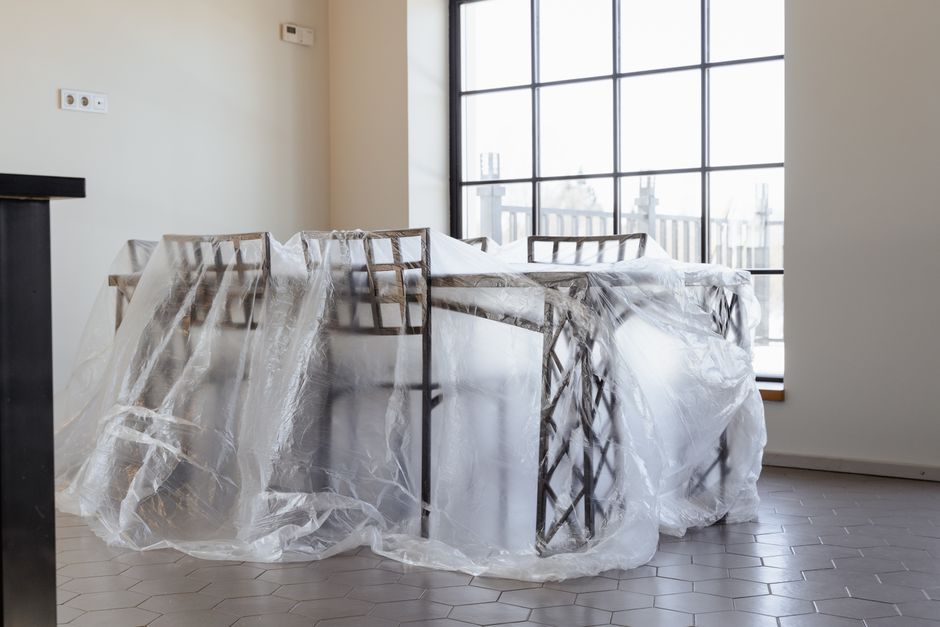
Knowing how to move a dining table correctly is something most people don't work out until they're standing in the middle of a room with a six-foot solid oak top, a base that won't detach cleanly, and a doorway that's clearly not wide enough. A dining table looks uncomplicated — it's flat, it has legs, and it sits low to the ground. But dining tables are among the most awkward large pieces to move safely, and they're responsible for more gouged floors, cracked tabletops, and strained backs than almost any other item in the house. The combination of surface area, fragile finishes, and unwieldy dimensions makes moving a dining table the wrong way a costly mistake.
Need a professional crew to handle the heavy lifting so your dining table arrives without a scratch? Call 224-404-0069 or get a free labor-only moving quote from Lift & Load today.
Why Moving a Dining Table Is Harder Than It Looks
A solid wood dining table can weigh anywhere from 100 to over 300 pounds depending on the material, size, and construction. Even a mid-range table made from engineered wood and metal hardware can push 150 pounds — and unlike a dresser or bookcase, there are almost no good grip points. The underside apron may offer a place to hold, but it's often made of thinner wood that can crack under lateral stress. The legs are leverage points, not carry handles, and gripping them puts torque directly on their joints.
Then there's the tabletop itself. Most dining tables have a surface finish — lacquer, oil, polyurethane, or wax — that scratches easily against door frames, walls, and other furniture. A single careless carry through a doorway can leave a gouge that's impossible to repair without a full refinish. Extension tables add another layer of complexity: the leaf mechanism, the alignment pins, and the slider hardware all need to survive the move intact, or the table won't close and lock correctly at the new location.
The path through your home is the final obstacle. A dining table carried flat is typically too wide to pass through a standard interior doorway without tilting. Tilt it on its side and you now have a tall, top-heavy object with fragile corners at hand level and legs that catch on every wall it passes.
Step 1: Disassemble Before You Attempt to Move Anything
The single most important thing you can do before moving a dining table is reduce it to its smallest possible components. This is not optional for most tables — it's the difference between a manageable carry and a dangerous one.
Remove the Legs First
Most dining tables attach their legs in one of three ways: threaded bolts through the apron, hanger bolts with a hex nut, or bracket hardware that allows the leg to twist on and off. In all three cases, the legs can and should be removed before the table moves. Flip the table upside down onto moving blankets laid on the floor — do not lay it bare on hardwood or tile — and remove each leg with the appropriate tool. Keep all bolts, washers, and hardware together in a labeled zip-lock bag taped to one of the legs or the underside of the tabletop.
Pedestal tables are more involved. A single central pedestal typically bolts to both the base and the top, and the base itself may separate into two or three pieces. Photograph the assembly before you start disassembling so you have a reference for reassembly.
Remove Leaves and Extension Hardware
If your table has removable leaves, pull them out and wrap each one individually in moving blankets or furniture pads. Leaves are almost always thinner than the main top and far more prone to warping and cracking if stacked improperly or stored standing on their edges for extended periods. Carry leaves flat whenever possible, or transport them in a dedicated slot in the moving truck where they won't shift.
Take Apart Any Attached Benches
If your dining set includes benches with legs that mirror the table's construction, disassemble them the same way. Benches are often overlooked — people carry them whole because they're lighter — but the leg joints are just as vulnerable to lateral stress as the table's.
Step 2: Protect the Tabletop Properly
Once the table is disassembled, the tabletop becomes the most valuable and fragile component you're transporting. Protecting it correctly before it moves a foot is not a step to rush.
Wrap the Entire Surface
Start with a layer of stretch wrap or furniture wrap directly over the tabletop to hold any padding in place. Then apply at least one — ideally two — layers of moving blanket or furniture pad, securing each layer with stretch wrap or moving tape applied only to the padding, never directly to the wood or finish. Pay particular attention to the corners, which are the most exposed points and the most likely to absorb impact against door frames and walls.
Know What Your Finish Can Tolerate
Lacquered and polyurethane finishes are relatively durable but scratch against rough surfaces. Oil-finished and wax-finished tables are more sensitive — even moderate abrasion can dull the surface permanently. Glass tabletops require a separate approach entirely: cardboard corner protectors, stretch wrap, and transport in a vertical position (never flat, which creates a flexing load across the glass). If your table has a glass top, remove it from the base before the move and transport it as its own item.
Step 3: Plan the Path Before You Start Carrying
With the table disassembled and wrapped, the tabletop is the component that will require the most navigation planning. Even without legs, a large dining table top can be 40 to 44 inches wide and 72 to 96 inches long — wider than most interior doorways when carried horizontally.
Measure the Top Against Every Passage
Measure the tabletop's width and length, then measure every doorway, hallway width, and staircase landing it needs to pass through. A table carried on its side (vertically) reduces the width dimension but increases the height, which matters on staircases with lower soffits or handrails that jut inward. Identify in advance whether any passage requires the top to be angled diagonally — the so-called "couch pivot" maneuver — and plan for it before you're mid-carry and committed to a position.
Clear the Path Completely
Remove rugs that can bunch and trip people carrying heavy items. Move smaller furniture pieces out of the path rather than navigating around them. Prop open all doors with doorstops before the carry starts — trying to hold a door open while managing a tabletop is a reliable way to damage the finish or lose your grip. If there are stairs, make sure there's a person at each end of the top for the entire staircase carry, not just at the transition points.
Step 4: Carry It Correctly With the Right Number of People
A disassembled dining table top being moved by two people is manageable in most situations, but only if both people are positioned correctly and communicating clearly. Here's what that looks like in practice.
Carry Technique for the Tabletop
Both carriers should grip the underside of the top — never the apron alone — and lift in a synchronized movement, keeping their backs straight and using their legs. The top should be carried vertically (on its side) in most cases, which reduces the footprint through doorways. Designate one person as the "lead" who is walking forward and calling out obstacles; the other person walks backward and takes directional cues. Never rush a corner — stop, reorient, then continue.
Use Furniture Dollies Where the Floor Allows
On flat, hard-surface floors, a furniture dolly under the wrapped tabletop eliminates most of the carrying load for the flat sections of the path. Position the top securely on the dolly with padding underneath and between the top and any metal dolly components, and move it slowly. Switch to a full carry only at transitions — doorways, thresholds, and stairs — where the dolly can't follow.
Use Moving Straps on Stairs
Forearm or shoulder moving straps change the weight distribution dramatically on staircase carries. Instead of supporting the entire load with your arms and hands, the straps transfer the weight to your forearms and shoulders, leaving your hands free to manage positioning. If you're carrying a large, heavy tabletop up or down stairs without straps, the risk of loss-of-grip increases significantly at the midpoint of the staircase where fatigue accumulates.
Step 5: Load and Unload the Truck Correctly
How the table is positioned in the moving truck determines whether it survives the drive intact. Even a 20-minute local move involves road vibration, stopping forces, and lateral sway that can shift an improperly loaded tabletop into the adjacent furniture.
Carry the Top Vertically Whenever Possible
A tabletop stored vertically in the truck takes up less floor space and is less likely to have other items stacked on it. Position it against the truck wall, padded side facing inward, and secure it with a furniture strap through the truck's anchor rings. If the top must be stored flat, place it on top of other flat items — mattresses or box springs work well — and do not stack anything on top of it that could shift during transit.
Wrap the Legs and Transport Them Bundled
After removing the legs, bundle them together with stretch wrap or moving tape and wrap the bundle in a moving blanket. Store the bundled legs flat in the truck, not standing upright where they can fall. If the legs are particularly long, lay them along the truck wall parallel to the direction of travel so they don't move laterally when the truck turns.
Reassembly at the destination is the reverse of disassembly: position the top in place first, flip it gently, reattach the legs, and check that every bolt is snug before setting the table upright. Don't rush the final alignment — a slightly crooked leg left un-corrected will wobble every time someone sits down.
If any of this sounds like more than you want to manage on moving day, get a free labor-only moving quote from Lift & Load. Our crews handle the heavy lifting, the tight corners, and the careful carries — you manage the logistics, and your dining table arrives the way it left.






FAQs
In almost every case, yes. Removing the legs reduces the table to its smallest, most manageable components, protects the leg joints from lateral stress during the carry, and makes it far easier to navigate doorways and hallways. Attempting to move a table with legs attached risks cracking the leg joints, gouging walls, and straining the people carrying it. Most dining table legs detach with a wrench or Allen key in under ten minutes.
Start with stretch wrap or furniture wrap directly over the surface to hold padding in place, then apply at least one layer of moving blanket or furniture pad secured with additional stretch wrap. Apply tape and wrap only to the padding — never directly to the wood or finish. Pay extra attention to the corners, which are most likely to catch on door frames. For oil-finished or wax-finished tables, be especially careful, as these surfaces dull more easily than lacquered or polyurethane finishes.
A disassembled tabletop from most dining tables requires at least two people to carry safely — particularly through doorways and on stairs. Attempting to carry a large tabletop alone creates an unbalanced load that's difficult to control, increases the risk of dropping it, and puts serious strain on your back and shoulders. The legs and hardware can typically be handled by one person, but the top should always be a two-person carry.
Measure the tabletop's width and length before you start, then compare those dimensions to the doorway's width and height. Most large tabletops need to be carried vertically (on their side) to fit through a standard 32–36 inch doorway. If the top is still too wide at that angle, you may need to tilt it diagonally — similar to the 'couch pivot' technique — which requires clear communication between both carriers and a complete understanding of the turn geometry before you commit to the maneuver.
Measure the tabletop's width and length before you start, then compare those dimensions to the doorway's width and height. Most large tabletops need to be carried vertically (on their side) to fit through a standard 32–36 inch doorway. If the top is still too wide at that angle, you may need to tilt it diagonally — similar to the 'couch pivot' technique — which requires clear communication between both carriers and a complete understanding of the turn geometry before you commit to the maneuver.
Still have questions?
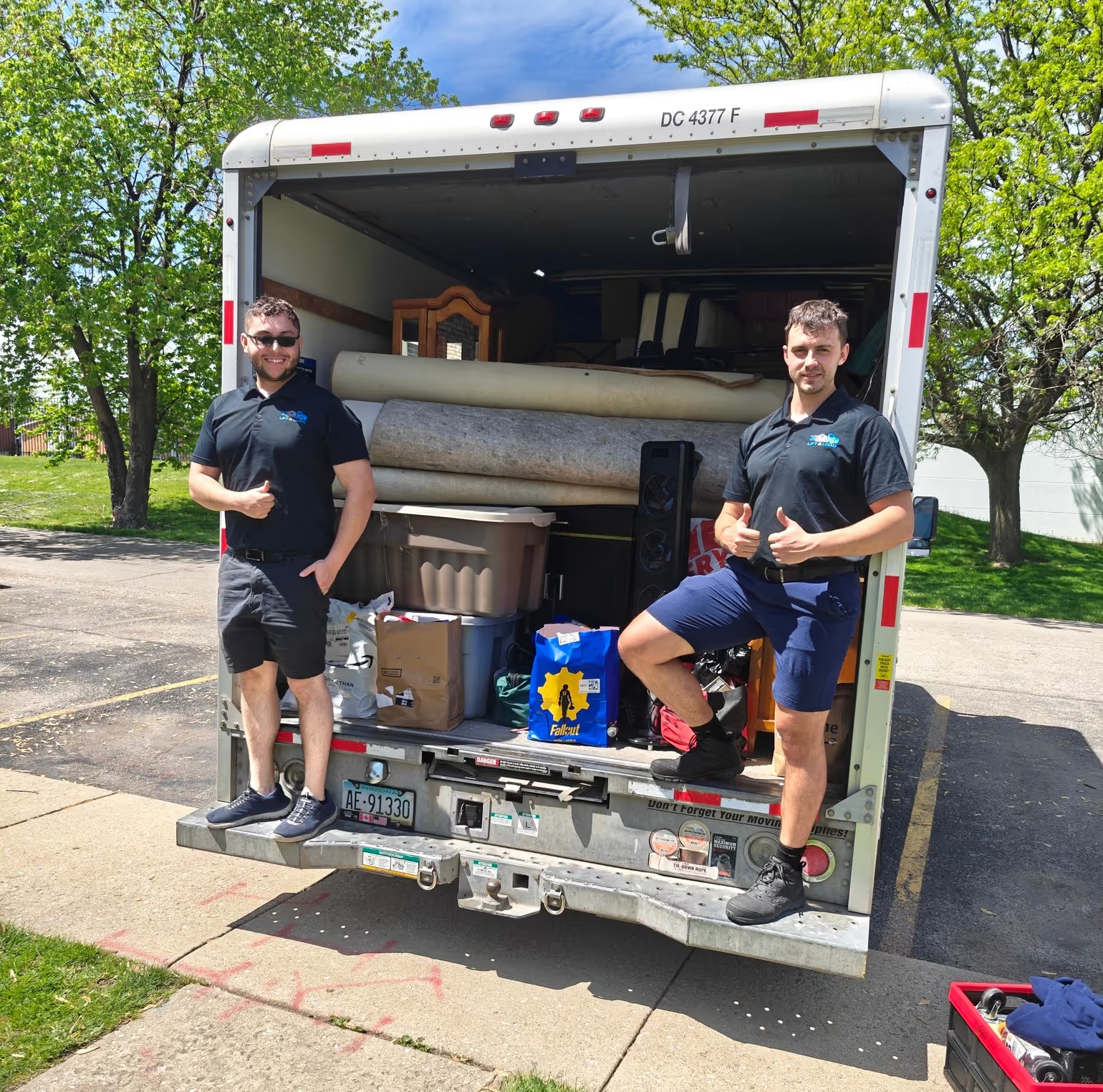
How to move with us?
Hit the “Get a Quote” button and tell us what you need.
Choose the service, date, and time that work best for you.
Our friendly team shows up on time and gets everything done safely.
Sit back while we take care of the rest.
.avif)