
How to Pack a Suitcase: Expert Guide to Efficient Packing for Travel and Moves
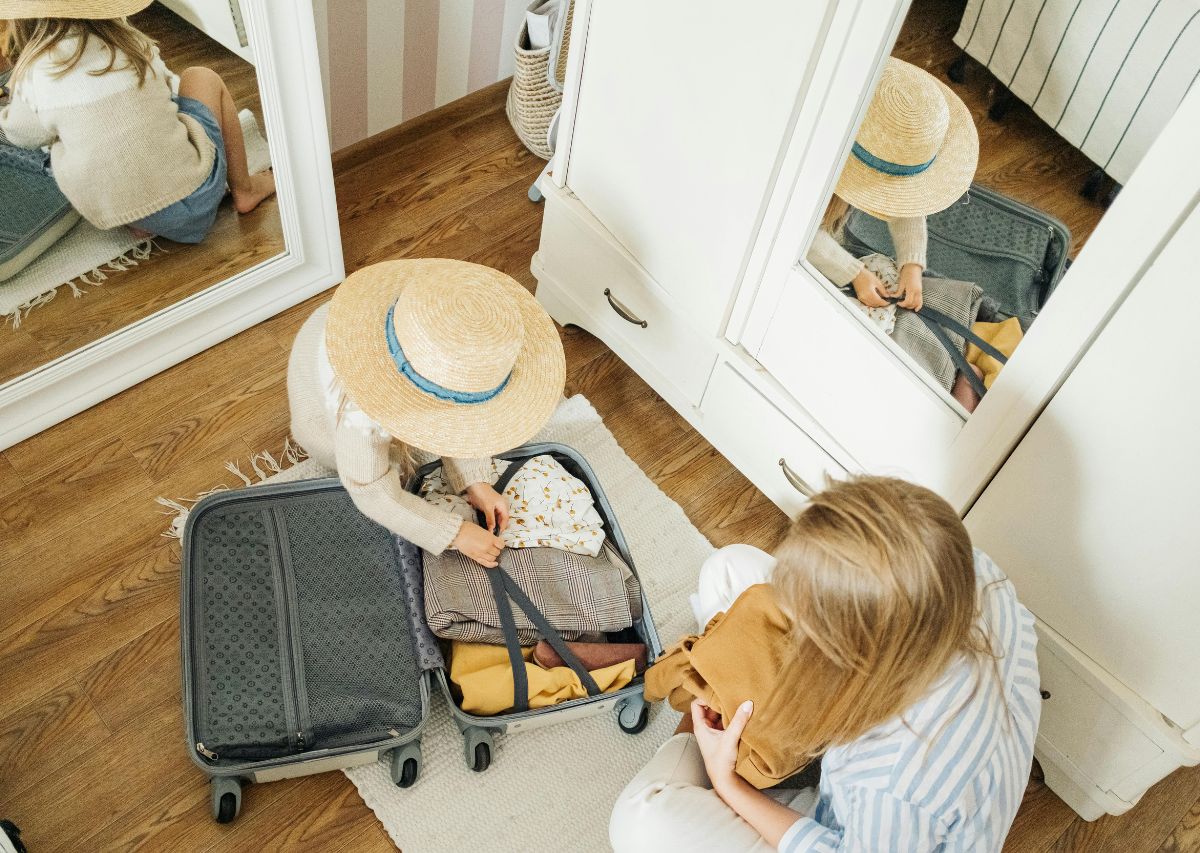
Understanding how to pack a suitcase effectively transforms chaotic travel preparation into an organized, stress-free process that saves time, maximizes luggage space, and protects your belongings from damage. Whether preparing for a weekend getaway, extended vacation, or relocating across the country, mastering suitcase packing techniques ensures you bring everything needed while avoiding excessive baggage fees and overstuffed luggage that invites wrinkles and damage. Poor packing habits result in forgotten items, crumpled clothing, damaged belongings, and wasted luggage capacity that could be avoided through systematic approaches and proven packing methods used by professional moving and packing experts. This comprehensive guide explores professional packing techniques used by travel experts and movers, providing practical strategies that help you pack efficiently regardless of trip length or destination.
Selecting the Right Suitcase for Your Needs
Before learning how to pack a suitcase efficiently, selecting appropriate luggage for your specific travel situation proves foundational. Suitcase dimensions matter significantly, as undersized luggage forces overstuffing that damages belongings and exceeds airline restrictions, while oversized luggage proves cumbersome for travel. Standard carry-on dimensions measure approximately 22 inches long by 14 inches wide by 9 inches deep, though airlines allow slight variations, so confirming your specific airline's requirements prevents problems at airport security or gates.
Hard-shell suitcases offer superior protection for fragile items and expensive belongings, resisting crushing and impact damage that soft luggage cannot prevent. Conversely, soft-sided luggage compresses more easily into tight spaces and may squeeze through overhead bins when hard-shell alternatives would not fit.
Planning Your Packing Before Starting
Effective suitcase packing begins long before opening luggage by creating a comprehensive packing list documenting everything you plan to bring. Writing down intended items prevents overpacking while ensuring you remember essentials that are easy to forget in travel excitement. Breaking packing lists into categories including clothing, toiletries, electronics, documents, and miscellaneous items creates organization that makes checking off items as you pack efficient.
Laying out all intended items on a bed before packing allows visual assessment of space requirements and opportunity to eliminate unnecessary items before they enter the suitcase.
Rolling Versus Folding for Maximum Space
The rolling versus folding debate in suitcase packing techniques generates strong opinions among travel professionals. Rolling clothes compresses items into compact cylinders that pack efficiently into curved suitcase corners and minimize wrinkles compared to traditional folding.
Folding remains superior for structured garments including dress shirts, blazers, and delicate fabrics. Many professionals employ hybrid approaches—rolling casual items while folding formalwear—to achieve optimal space efficiency.
Layering and Organizing Within the Suitcase
Strategic layering inside suitcases ensures weight distribution that maintains luggage balance while organizing items logically for easy access. Beginning with heavier items like shoes and jeans at the suitcase bottom provides stability, while lighter clothing layers above reduce shifting during transport.
Utilizing every available space—including side pockets, mesh panels, and gaps between larger items—dramatically increases packing capacity without requiring oversized luggage.
Professional Packing for Moves and Relocations
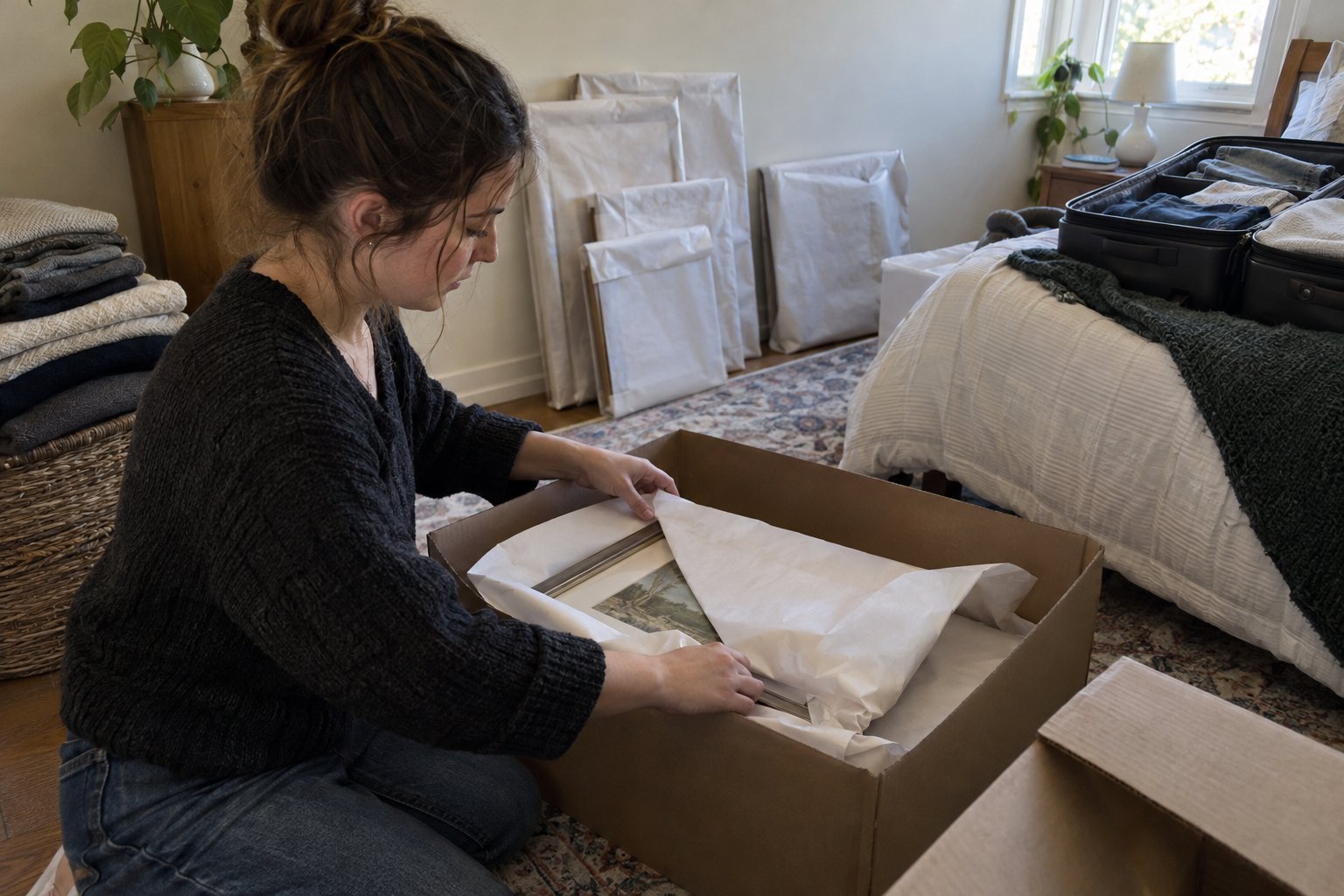
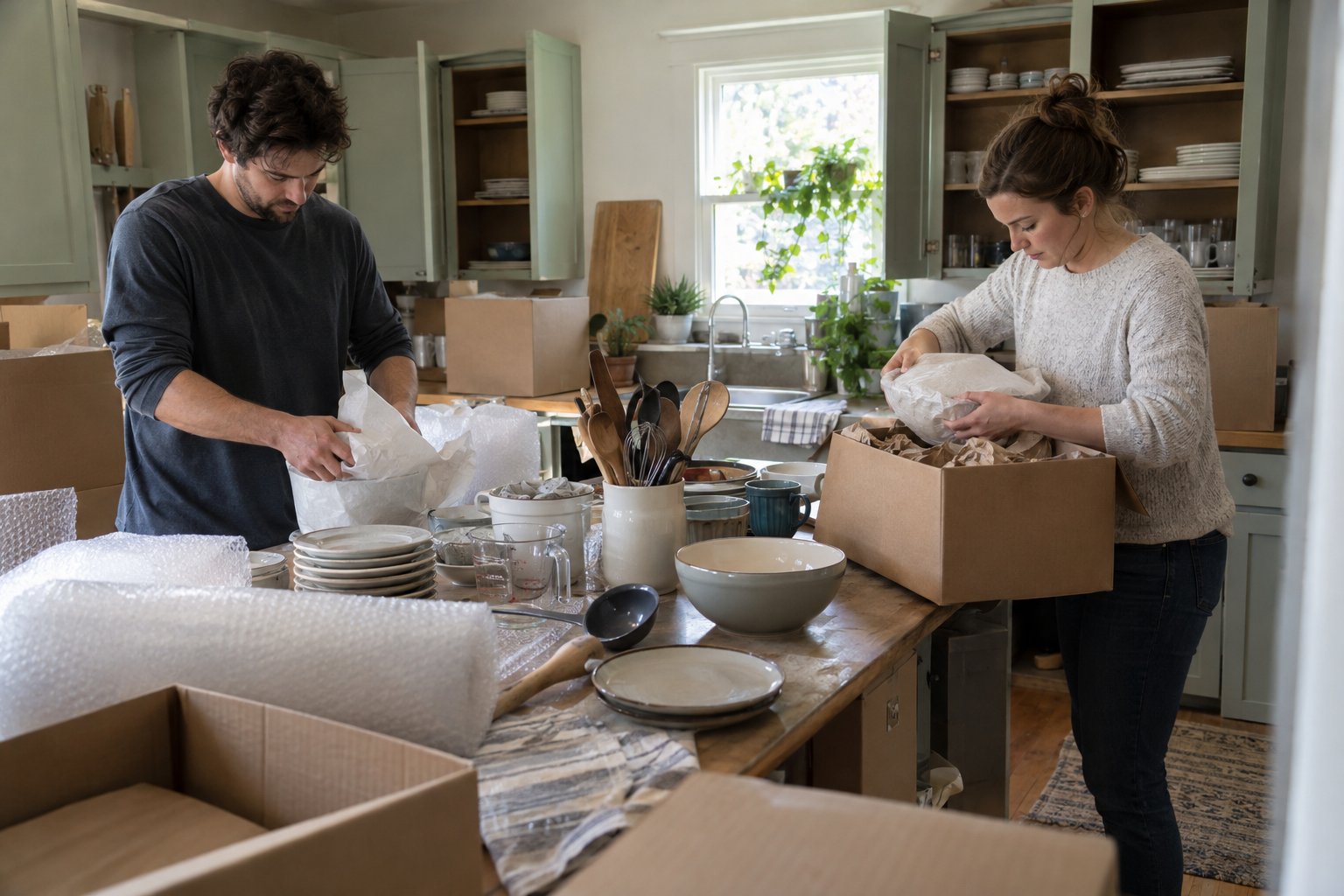
Moving companies employ professional packing techniques that extend beyond suitcase packing to encompass entire household relocations. Understanding how to pack a suitcase effectively provides a foundation for packing larger containers using similar principles of weight distribution, categorization, and space optimization.
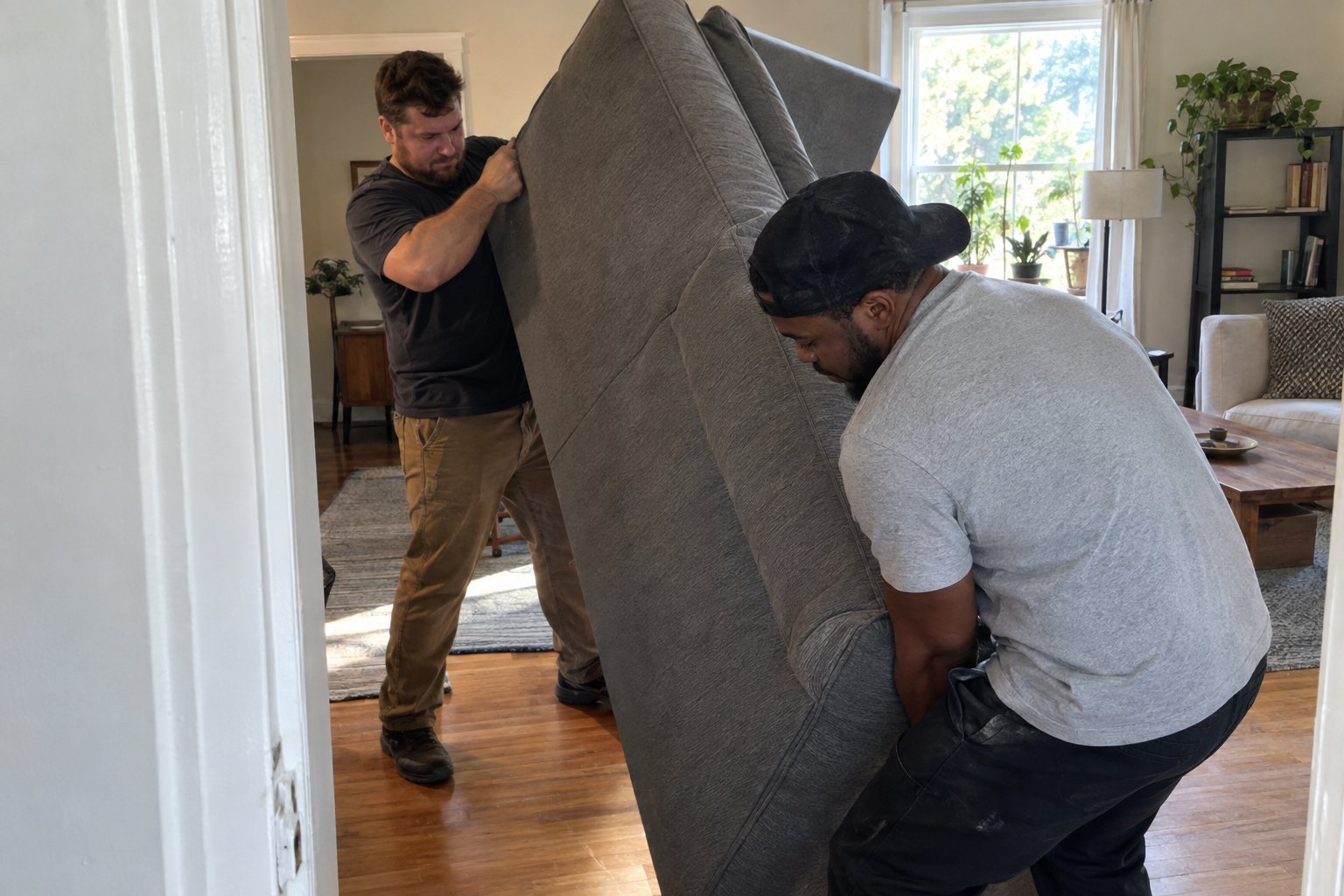
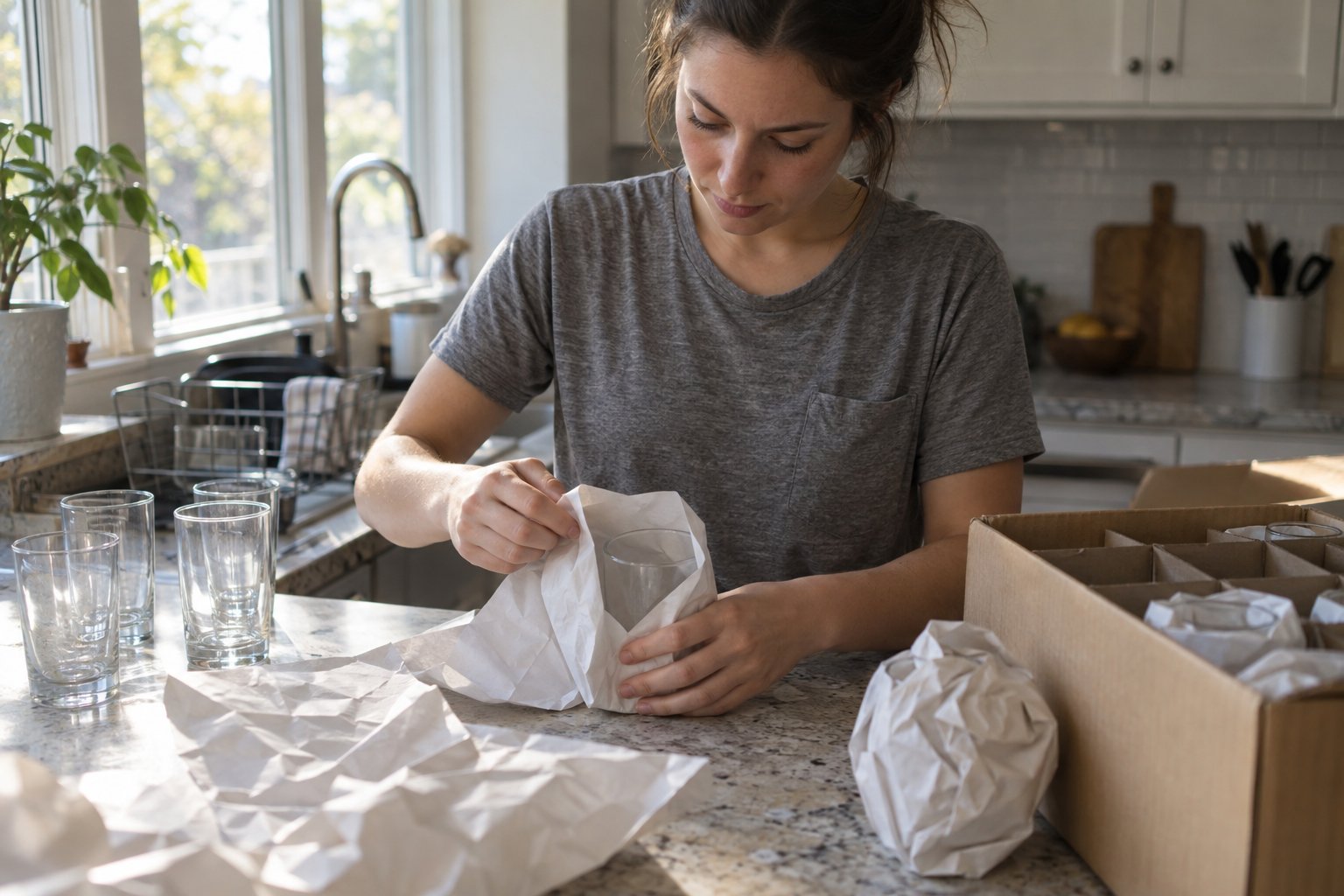
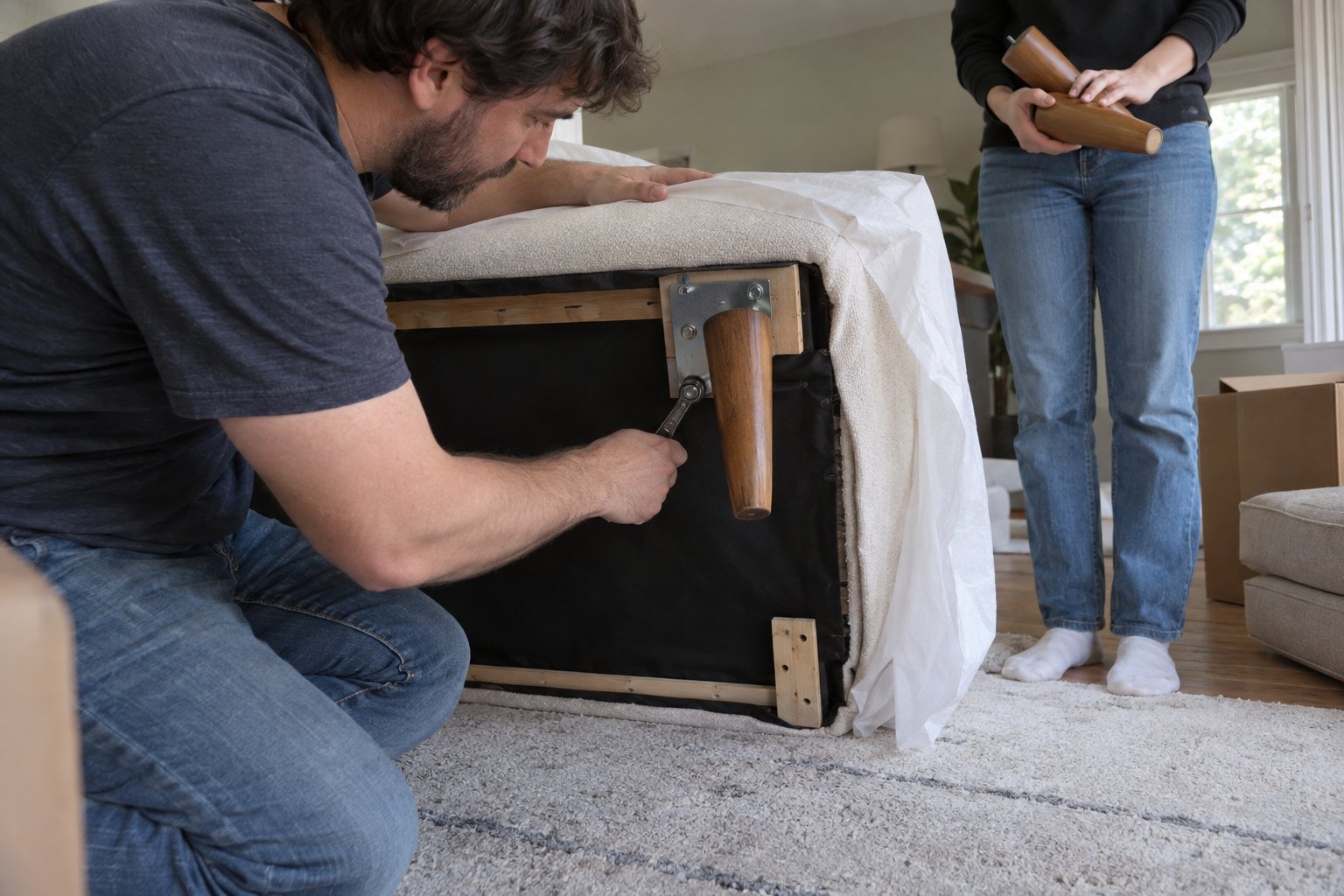
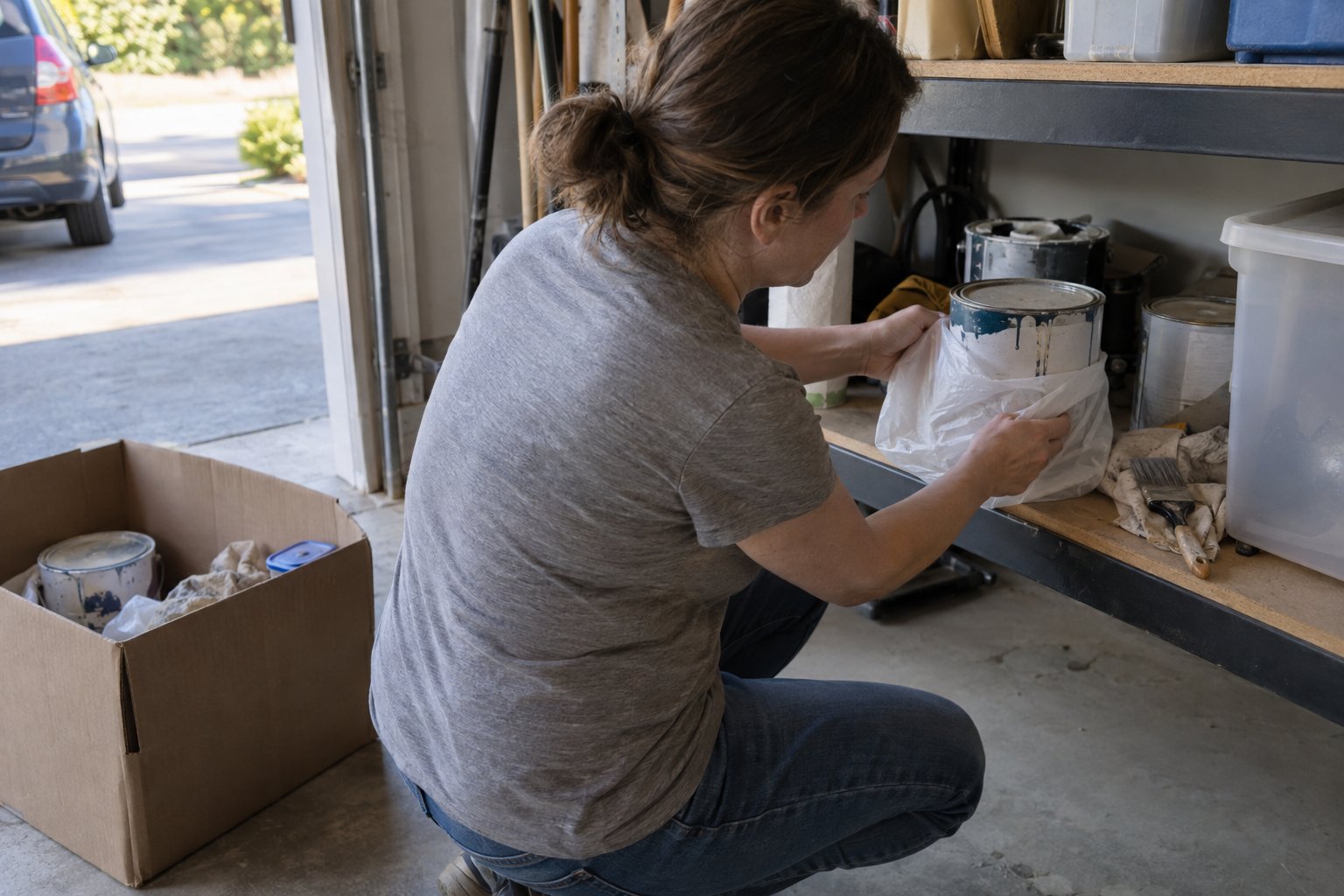
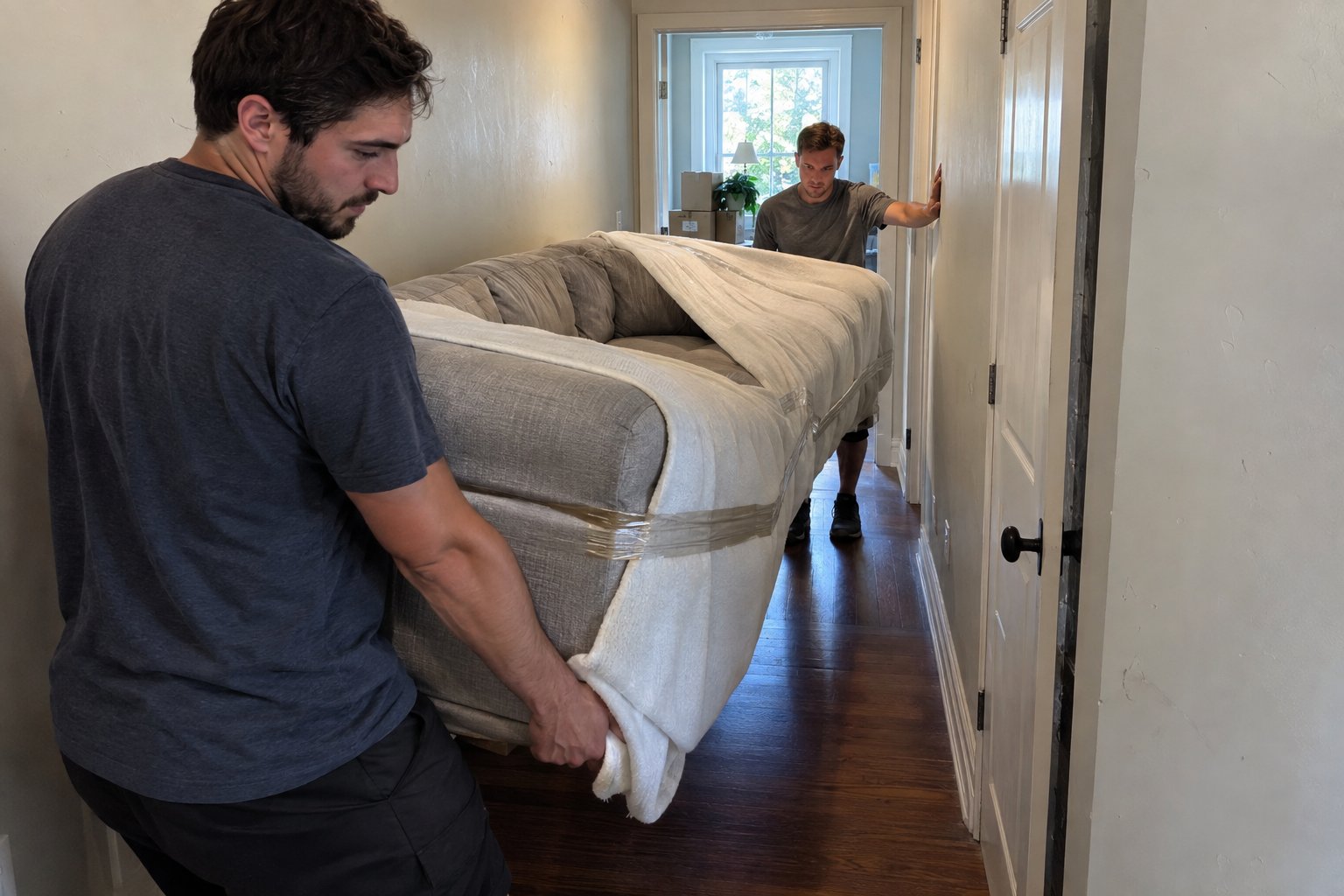
If your packing needs go beyond personal travel, professional packing services can handle fragile items, furniture, and full-home packing with efficiency and care. Professional movers use specialized materials and inventory systems that protect belongings and simplify unpacking, saving significant time and effort during relocations.
Unpacking and Maintaining Luggage
How you pack a suitcase influences how easily you can unpack upon arrival and maintain suitcase condition for future travels. Returning clothes to hangers or drawers immediately allows wrinkles to relax naturally.
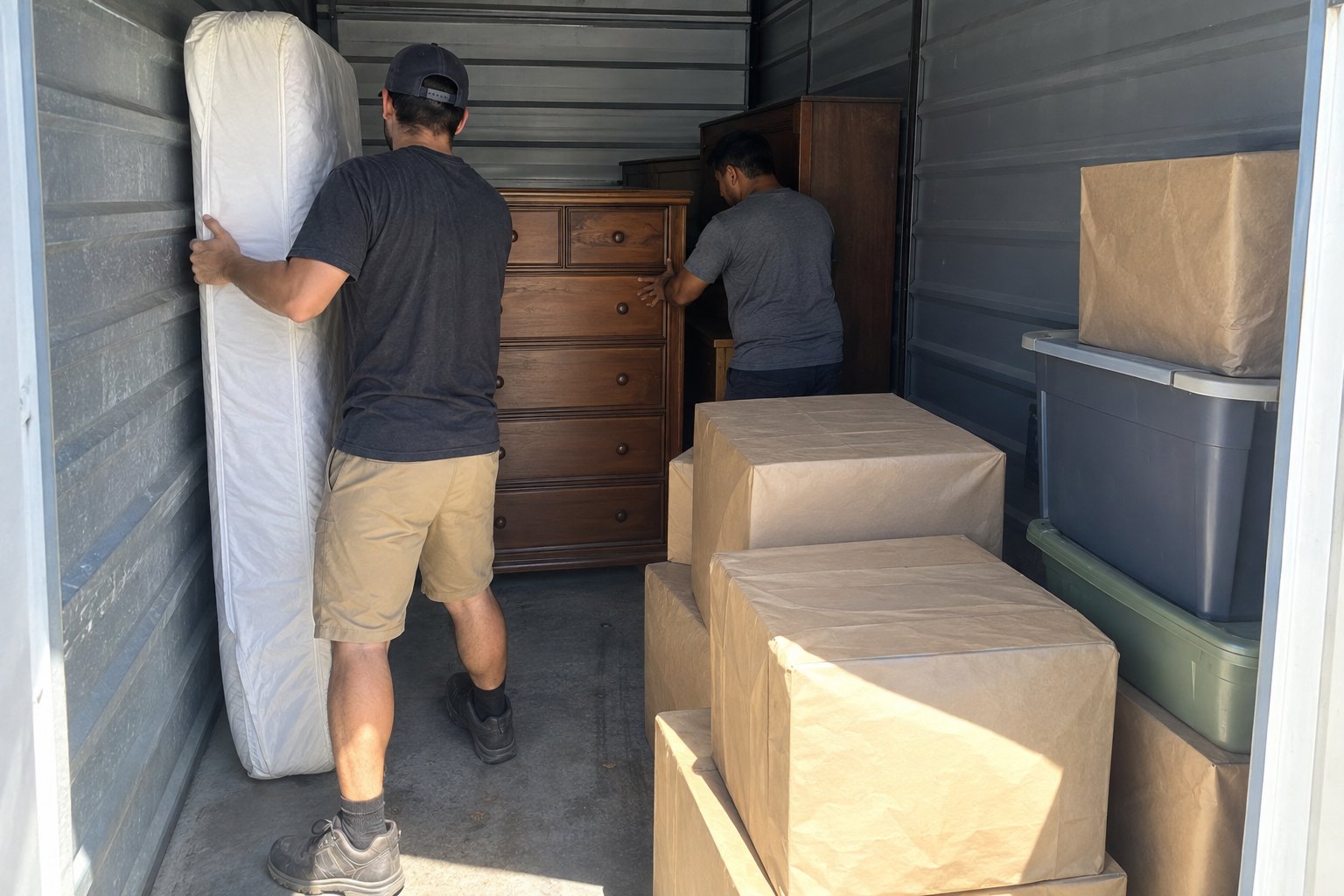
For those relocating or storing belongings between moves, combining efficient packing with secure storage solutions ensures items remain protected, organized, and accessible for the duration of your transition.
Final Thoughts
Mastering how to pack a suitcase efficiently reduces stress, protects your belongings, and maximizes every inch of available space. Whether preparing for a short trip or a major relocation, applying professional packing principles creates smoother travel experiences and easier transitions. With the right techniques—and expert support when needed—you can turn packing from a frustrating chore into a streamlined, confidence-building process.
FAQs
Roll clothes tightly into compact bundles to minimize creasing, or use garment bags for delicate items. Layer heavier items at the bottom and place tissue paper between clothing layers. Rolling typically reduces wrinkles compared to folding for casual clothing, though structured garments benefit from careful folding techniques.
For a seven-day trip, pack five to seven tops, two pairs of pants, one outfit for special occasions, underwear for each day, and one or two pairs of shoes. Coordinate colors to create multiple outfit combinations from fewer pieces, reducing luggage requirements while maintaining adequate outfit variety throughout your trip.
Pack valuable electronics including laptops, cameras, and phones in carry-on luggage to protect them from damage during baggage handling. Checked luggage experiences rough handling that damages delicate equipment. Keep electronics in protective cases and use original boxes when possible for maximum protection and security during travel.
Place shoes in individual plastic bags or breathable cloth pouches to contain odors and prevent transfer to clothing items. Stuff shoe interiors with socks, undergarments, or crumpled newspaper to absorb moisture and odors. Ensure shoes are completely dry before packing to prevent mold growth during storage or extended travel periods.
Place shoes in individual plastic bags or breathable cloth pouches to contain odors and prevent transfer to clothing items. Stuff shoe interiors with socks, undergarments, or crumpled newspaper to absorb moisture and odors. Ensure shoes are completely dry before packing to prevent mold growth during storage or extended travel periods.
Still have questions?
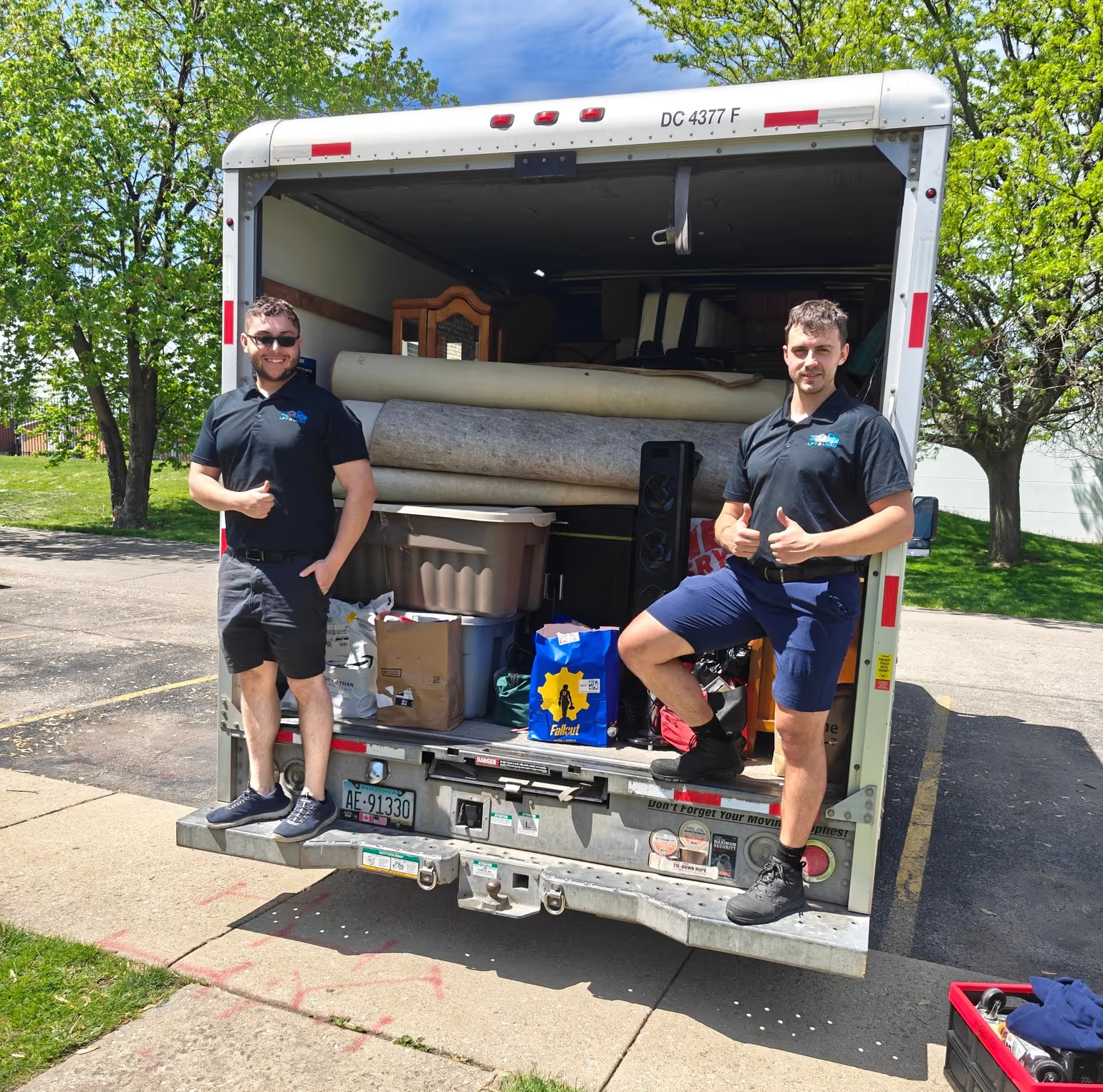
How to move with us?
Hit the “Get a Quote” button and tell us what you need.
Choose the service, date, and time that work best for you.
Our friendly team shows up on time and gets everything done safely.
Sit back while we take care of the rest.
.avif)