
Expert Advice on When to Start Packing to Move This Year

Relocating your entire life to a new residence is a massive undertaking that requires careful timing and organization. Most homeowners find themselves overwhelmed because they misjudge when to start packing to move, leading to a frantic rush in the final days. A successful transition is built on a structured timeline that allows you to sort, declutter, and box up your belongings without burning out. If you're planning ahead, working with local movers can also help streamline the early stages of your relocation.
Ideally, the process should begin several weeks before the moving truck arrives at your doorstep. Whether you live in a small studio or a large estate spanning 480 square yards, the core principles of preparation remain the same. Knowing exactly when to start packing to move helps you maintain control over your schedule and ensures that fragile items are handled with the care they truly deserve.
The Eight Week Countdown
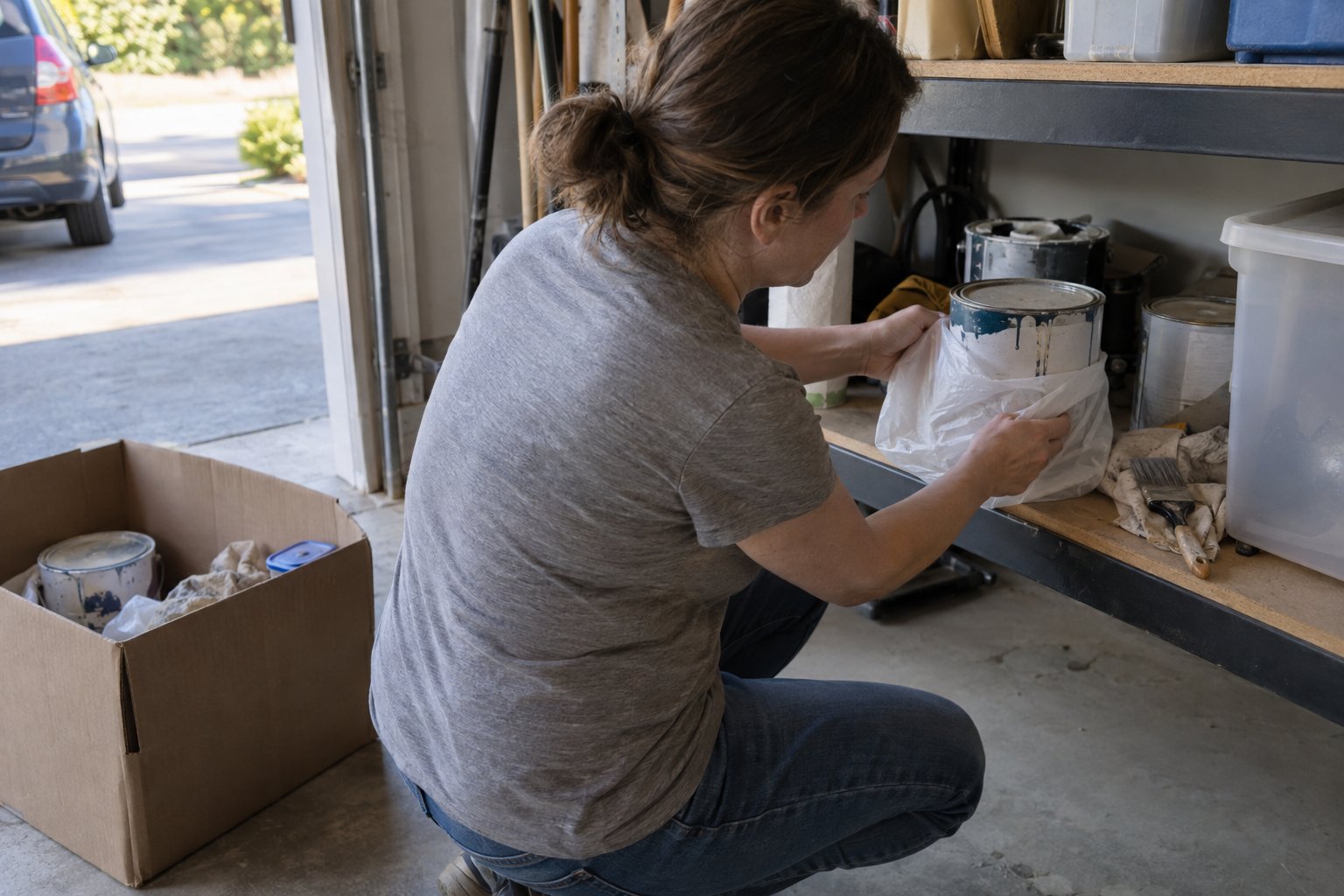
For most households, eight weeks before the move is the perfect time to begin the preliminary stages of the process. This phase is less about putting things into boxes and more about evaluation and decluttering. You should go through your attic, basement, and closets to decide what is worth taking to your new home and what should be donated or sold.
Starting this early allows you to host a garage sale or list items online without feeling rushed. It also gives you ample time to research moving companies and secure your preferred dates. By addressing the logistics two months out, you create a solid foundation that makes the actual physical packing much easier to manage as the weeks progress.
Six Weeks Out: Non-Essential Items
Six weeks before your moving date is when to start packing to move the items you rarely use. This includes seasonal decorations, out of season clothing, and books that you have already finished. You can also begin packing guest room linens and specialized kitchen appliances like bread makers or ice cream machines that are not part of your daily routine.
At this stage, your goal is to clear out storage areas and high shelves. By getting these non-essential items out of the way, you create space in your home to stack boxes and organize the more frequently used items. This steady progress keeps the momentum going and prevents the workload from becoming unmanageable in the final month.
One Month Until Moving Day
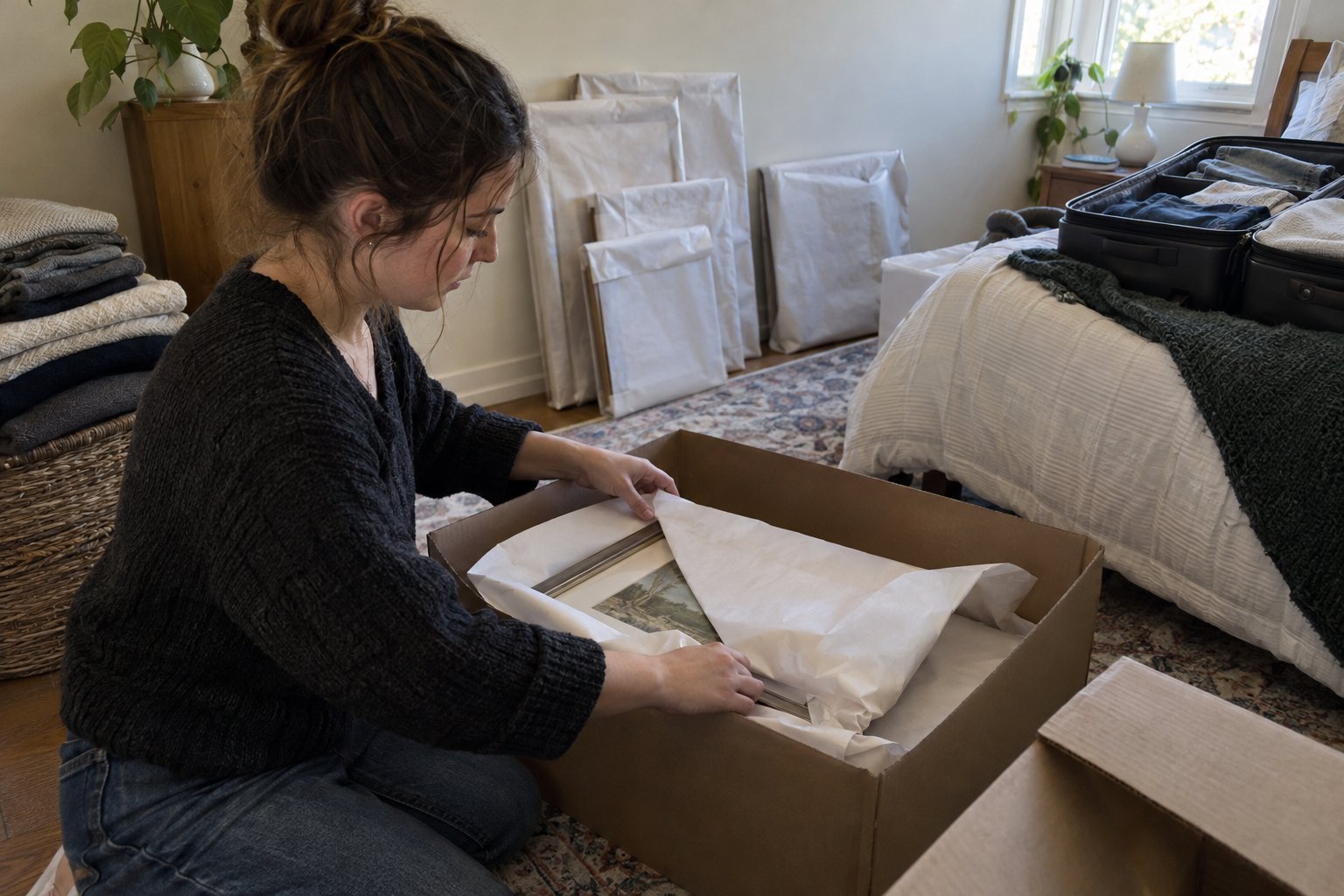
With four weeks remaining, the pace of your packing should increase significantly. This is the time to tackle major areas like the dining room, home office, and wall decor. Carefully wrap artwork and mirrors, ensuring they are protected for transport. You should also begin labeling every box with its destination room and a brief list of contents.
During this period, you should also focus on consuming the food items in your pantry and freezer. Reducing your inventory of canned goods and frozen meals means you will have less to pack and move later. It is a practical way to simplify your kitchen packing while ensuring that nothing goes to waste during the transition to your new residence.
Two Weeks of High Activity
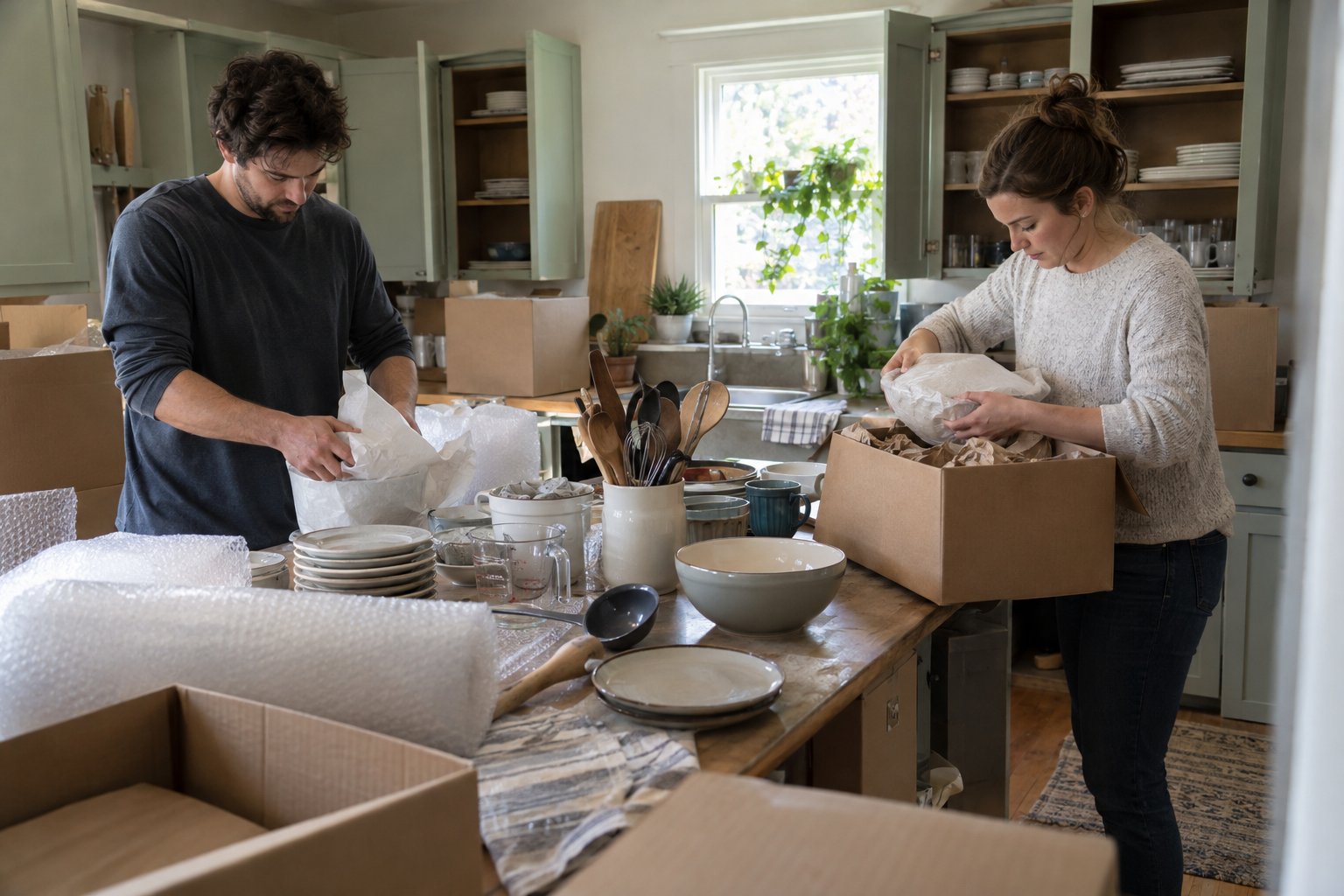
Two weeks before the move is the critical window for packing the bulk of your household goods. This includes the majority of your kitchenware, electronics, and general clothing. You should only leave out enough plates, towels, and outfits to get you through the final fourteen days. Everything else should be securely boxed and taped.
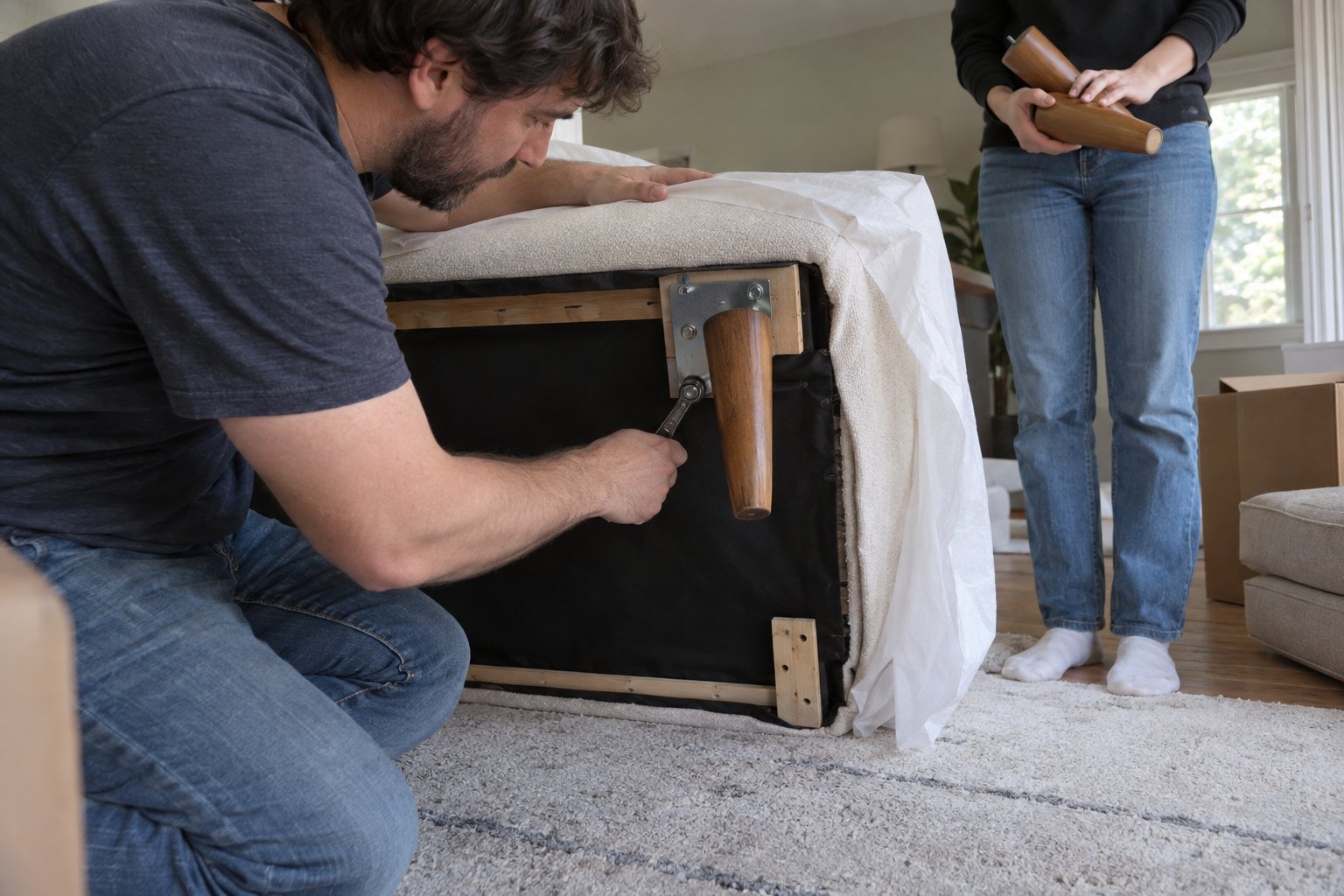
This is also a great time to disassemble furniture that you do not need for daily use. Keep all hardware and screws in labeled plastic bags taped directly to the corresponding furniture pieces. By handling these technical tasks now, you avoid the stress of trying to find a screwdriver while the moving crew is already loading the truck. If you're relocating across states, coordinating with long-distance movers during this phase ensures logistics are handled smoothly.
The Final Week: Essentials Only
In the final seven days, your home should look mostly packed. This week is reserved for the most frequently used items, such as your coffee maker, daily toiletries, and basic cleaning supplies. You should also pack a dedicated "essentials box" that contains everything you will need for the first twenty four hours in your new home.
This essentials box should include things like toilet paper, basic tools, phone chargers, and a few changes of clothes. Keep this box in your personal vehicle rather than on the moving truck so you have immediate access to it upon arrival. Having these items ready prevents you from having to search through dozens of boxes just to find your toothbrush.
Packing Tips for Maximum Efficiency
Use High Quality Boxes: Avoid used grocery store boxes that might be weak or dirty. Invest in sturdy moving boxes that can withstand the weight of stacking.
Label Everything: Use a thick permanent marker to label the top and at least two sides of every box. This makes it easy for movers to know exactly where to put them.
Heavy Items in Small Boxes: Put heavy things like books in small boxes so they are manageable to carry. Larger boxes should be reserved for lighter items like pillows and linens.
Wrap Fragiles Individually: Use plenty of bubble wrap or packing paper for dishes and glassware. Never leave empty space in a box, as shifting leads to breakage.
Organizing Your Supplies
Having the right tools is essential for a smooth process. Before you start, gather plenty of packing tape, markers, bubble wrap, and different sizes of boxes. It is better to have too many supplies than to run out in the middle of a busy packing session. Keeping your supplies organized in a central location saves you time and frustration.
Consider using color coded tape or stickers for different rooms. For example, use red for the kitchen and blue for the master bedroom. This visual system allows you to see at a glance where each box belongs, even from a distance. It simplifies the unloading process and helps your moving crew work more efficiently on the big day.
Handling Sensitive Documents and Valuables
While you are deciding when to start packing to move, remember that some things should never go on the moving truck. Important documents like birth certificates, passports, and medical records should be kept in a secure folder that stays with you. The same applies to expensive jewelry, small electronics, and irreplaceable family heirlooms.
Packing these items separately ensures their safety and gives you peace of mind. You might want to invest in a portable lockbox for these valuables. By taking personal responsibility for your most sensitive items, you eliminate the risk of them being misplaced or damaged during the broader relocation of your larger household furniture and boxes.
Managing the Emotional Toll of Moving
Packing up your life can be an emotional experience. As you go through each room, take the time to say goodbye to the memories associated with that space. Breaking the process down into smaller, manageable tasks helps reduce the anxiety that often comes with a big change. Focus on the excitement of your new beginning to stay motivated.
If you find yourself feeling stuck, try the "one room a day" approach. This ensures steady progress without making you feel like you are losing your entire home all at once. Remember that the goal of knowing when to start packing to move is to give yourself the gift of time. Use that time to move at a pace that feels comfortable for you and your family.
Final Walkthrough and Clean Up
On the day before the move, do a final walkthrough of every room, including the garage and attic. Check all cabinets and drawers to ensure nothing has been left behind. Once the rooms are empty, you can do a quick cleaning to leave the home in good condition for the next residents. This final step brings a sense of closure to your time in the home.
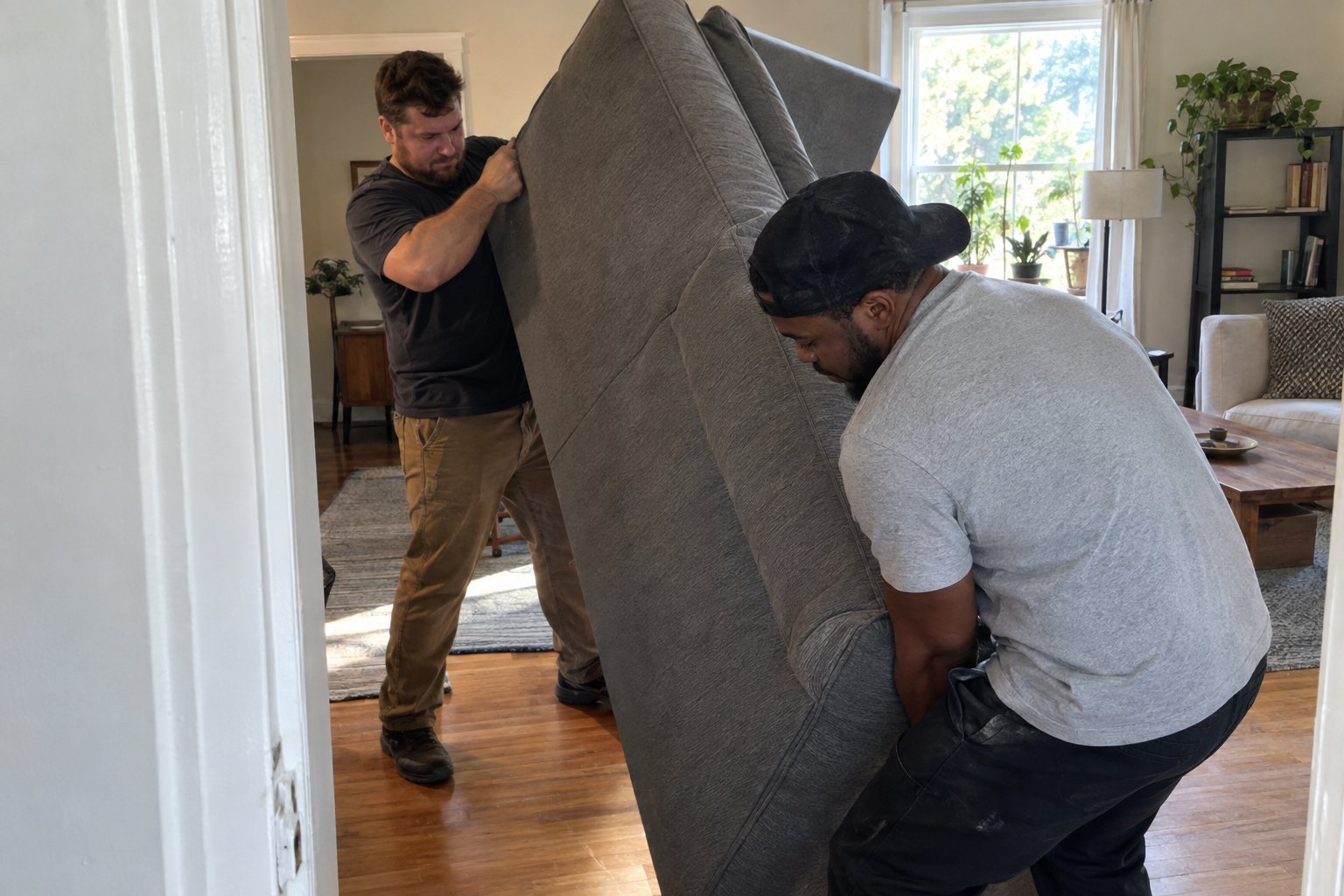
Make sure your moving paths are clear of debris and loose packing materials. This ensures the safety of the movers and prevents accidents. Having your boxes organized and your furniture ready to go makes the loading process much faster. With everything prepared, you can step into your moving day with total confidence and a clear mind for the journey ahead.
Organize the Perfect Move with Expert Packing Help
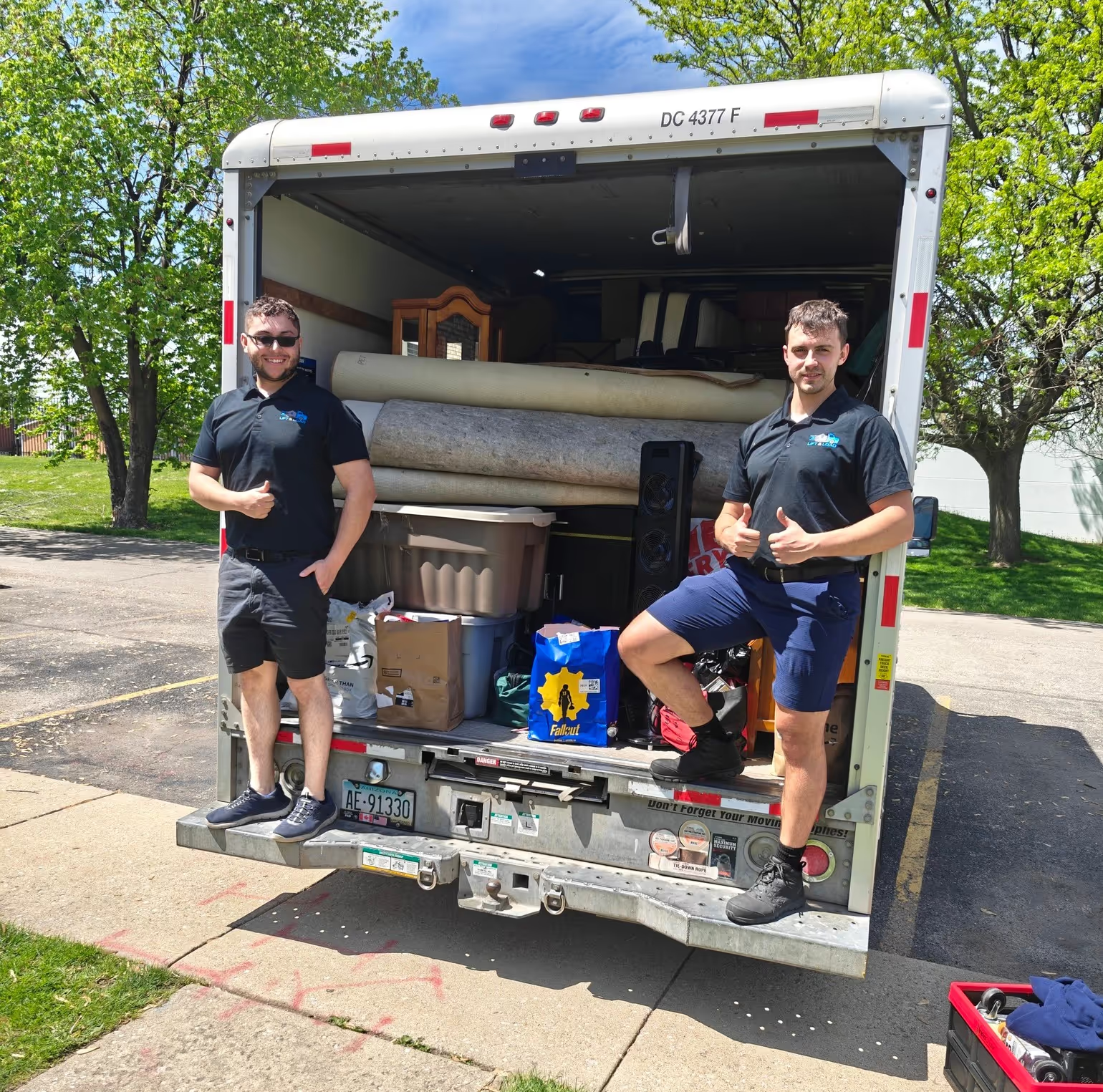
Lift and Load has established a legacy of trust by moving local families with care and precision for years. We provide comprehensive residential moving, professional packing, and heavy lifting services for every client. Our team has a specific, impressive capability for managing complex timelines during high stakes relocations. For a smoother experience, consider our packing services to save time and protect your valuables. Schedule your move and lift the burden off your shoulders today.

FAQs
You should start the process at least eight weeks before your moving date. Begin with decluttering and packing non essential storage items like holiday decorations. Starting early ensures you have enough time to wrap fragile items carefully and avoids the stress of last minute rushing in the final week.
It is never too early to begin the decluttering phase. Two months out is the perfect time to decide what to keep and what to get rid of. You can also pack up items you only use once a year. This early start reduces the volume of things you actually have to box up as the date gets closer.
You should pack your daily essentials last. This includes items like your coffee maker, toiletries, basic kitchen tools, and a few changes of clothes. These should go into a clearly labeled essentials box that stays with you in your car so you have immediate access to them at your new residence.
The best way to stay organized is to pack one room at a time and label every box clearly. Use color coded labels or markers for each destination room. Keep a master list of the contents for each numbered box so you can find specific items easily without having to open everything up later.
The best way to stay organized is to pack one room at a time and label every box clearly. Use color coded labels or markers for each destination room. Keep a master list of the contents for each numbered box so you can find specific items easily without having to open everything up later.
Still have questions?
How to move with us?
Hit the “Get a Quote” button and tell us what you need.
Choose the service, date, and time that work best for you.
Our friendly team shows up on time and gets everything done safely.
Sit back while we take care of the rest.
.avif)
Address: Des Plaines, IL
Phone: (224) 404-0069