
How Many Boxes Do You Actually Need for a Studio or 1-Bedroom Move?
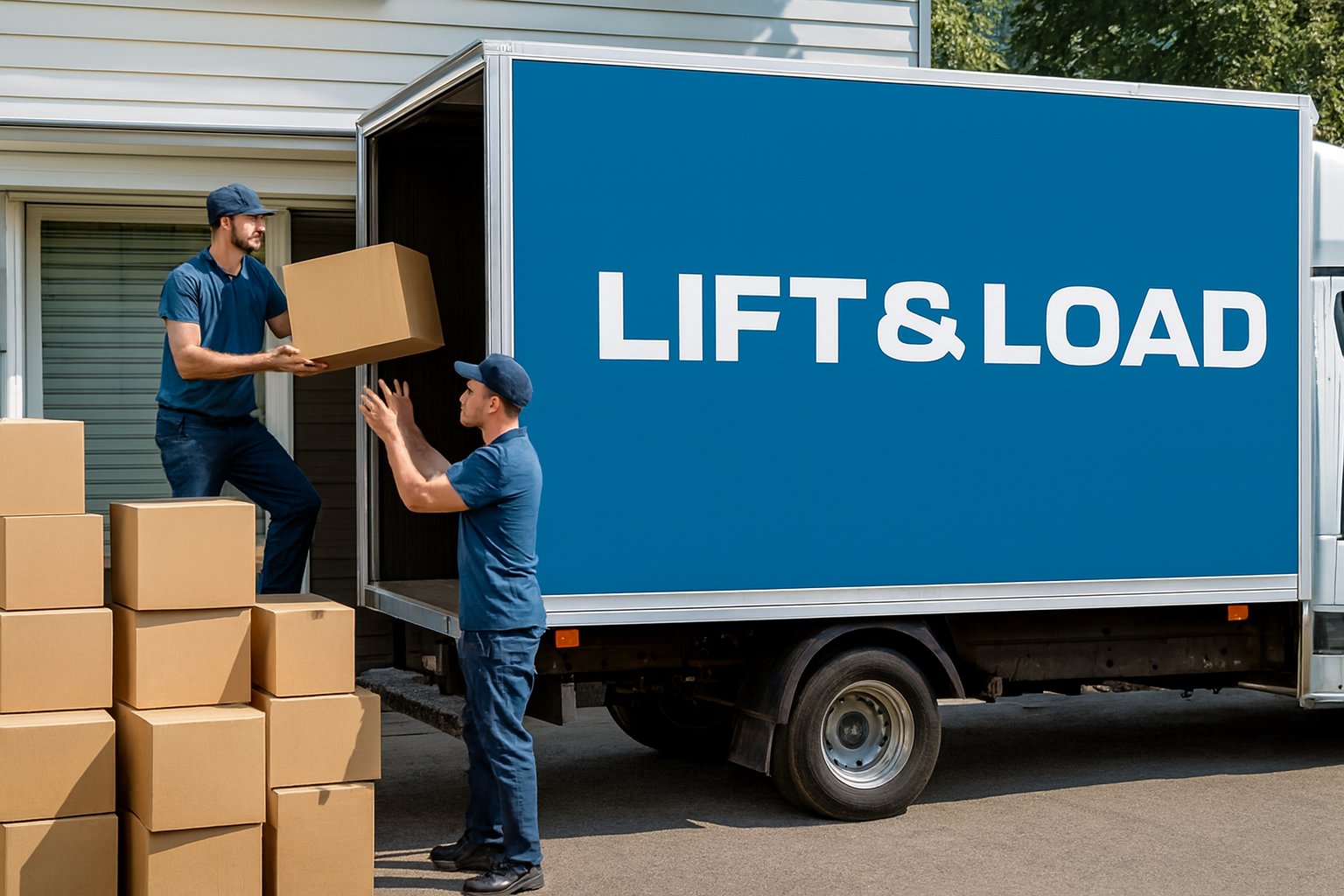
A studio or one-bedroom apartment typically takes between 20 and 35 boxes to pack, depending on how much you own and whether you are a minimalist or a collector. That range surprises a lot of first-time movers who expect a much smaller number, right up until they start pulling books, kitchen items, and closet contents out of a space that looked deceptively compact from the couch.
This guide breaks that number down by category so you are not guessing at the store or over-ordering a stack of flattened cardboard that ends up in your new hallway for a week. It is written specifically for small-footprint moves, not the room-by-room estimate for a full house, so the math and the advice both assume you are working with less square footage and fewer rooms to divide labor across.
How Many Boxes Does a Studio or One-Bedroom Actually Need?
Most studios need 18 to 28 boxes, and most one-bedrooms need 25 to 35, assuming a normal amount of furniture, clothing, and kitchen gear. The difference between the two is usually one extra closet's worth of items and a slightly larger kitchen, not double the volume some online calculators suggest.
These figures assume you are packing the entire home, not just visible items on shelves and counters. Under-the-bed storage, closet floors, and kitchen cabinets tend to hold more than people remember until they open them with a box already half full.
Studio Apartment Box Count
- Kitchen: 4 to 6 boxes (dishes, small appliances, pantry items)
- Clothing and closet items: 5 to 8 boxes
- Books, media, and decor: 4 to 6 boxes
- Bathroom and linens: 2 to 3 boxes
- Miscellaneous and electronics: 3 to 5 boxes
One-Bedroom Apartment Box Count
- Kitchen: 6 to 9 boxes
- Clothing and closet items: 7 to 10 boxes
- Books, media, and decor: 5 to 7 boxes
- Bathroom and linens: 3 to 4 boxes
- Bedroom extras and miscellaneous: 4 to 6 boxes
What Changes the Count More Than Square Footage?
Your lifestyle affects the box count more than the number on your lease. Two people in identical floor plans can need 15 boxes or 40 boxes depending on how they shop, store, and hold onto things.
A few factors matter more than square footage:
- Kitchen habits. A home cook with a full spice rack and bakeware needs several more boxes than someone who mostly orders takeout.
- Hobby gear. Craft supplies, records, camera equipment, or a home gym corner all add boxes that a generic calculator will not account for.
- Storage you forgot about. Coat closets, entryway cabinets, and under-bed bins routinely add 3 to 5 boxes that people leave out of their first estimate.
- How long you have lived there. A first apartment after a big declutter tends to need fewer boxes than a unit you have lived in for several years and slowly filled.
Should You Round Up or Down on Your Box Order?
Round up, and buy or gather about 15% more than your estimate. It is far cheaper and less stressful to have four extra flattened boxes left over than to be short on packing day with a truck reserved and a crew on the clock.
If you are working with hired labor-only moving help, running short mid-move is worse than it sounds: a crew paid by the hour is now waiting on you to source more supplies instead of loading. Buy your padding upfront, not as an emergency run.
Where the Extra 15% Should Go
Put your buffer into small and medium boxes, not large ones. Small boxes are the ones people always run out of first because they hold dense items like books, canned goods, and tools, and they fill up faster than expected.
Free or Cheap Box Options Worth Checking First
Before you buy a full set of new boxes, check liquor stores, grocery store back rooms, and online marketplace giveaway groups, all of which regularly have sturdy free boxes in the exact small-to-medium sizes a studio or one-bedroom needs most. Retail stores that receive frequent shipments are often the best source since their boxes are designed to hold weight and stack cleanly.
If you want a fuller rundown of where to look and what to avoid (produce boxes and boxes that have been wet are common mistakes), see our guide on finding quality moving boxes.
Packing Order That Keeps a Small Move on Schedule
Pack in reverse order of how often you use something, starting with off-season items and ending with your kitchen and bathroom essentials. In a small apartment this matters more than in a house because there is less spare floor space to stage finished boxes without tripping over them.
A workable sequence for a studio or one-bedroom:
- Closet items you are not wearing this season
- Books, decor, and anything on display shelves
- Kitchen items you use less than weekly
- Everything else in the kitchen, packed the night before or morning of
- A clearly labeled "open first" box with toiletries, chargers, and a change of clothes
If you are also debating how much of the heavy lifting to hire out for a space this size, our breakdown of how many movers you actually need for your move covers crew sizing specifically for smaller units where two movers is often plenty.
Ready to Book the Muscle for Moving Day?
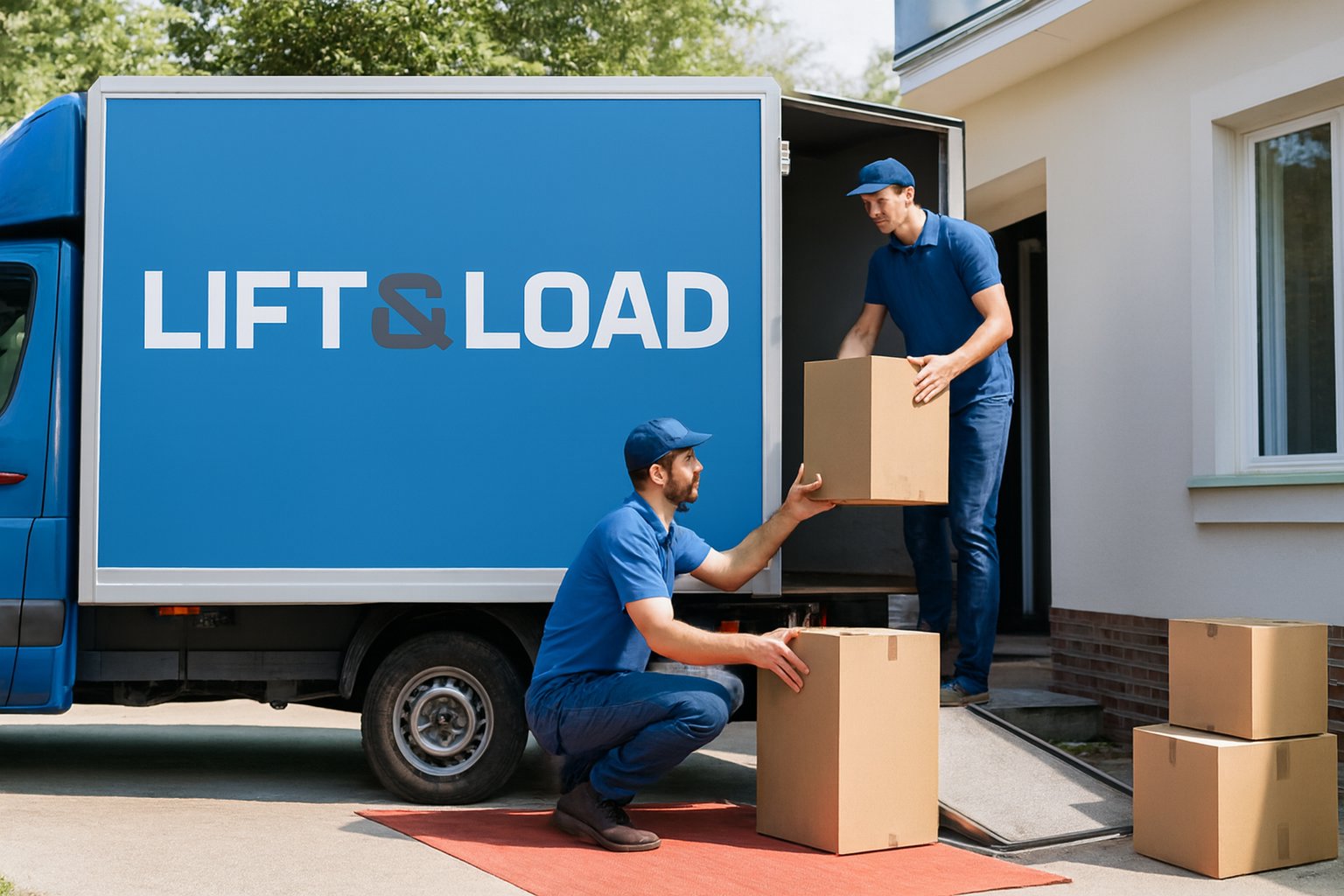
Once your boxes are packed and stacked, the last mile is getting everything down the stairs and onto the truck without straining your back or your walls. A labor-only moving crew can handle the loading and unloading for a studio or one-bedroom in a fraction of the time it takes to do it solo.
Get a moving quote and get a crew scheduled around your packing timeline.


FAQs
Most 500 square foot studios need 18 to 25 boxes total, leaning toward the higher end if you have a full kitchen setup or a lot of books and decor. A minimalist studio can sometimes get by with as few as 15.
Twenty boxes is on the low end for most one-bedroom apartments and works best for someone with minimal furniture and a light kitchen. Most one-bedrooms end up needing 25 to 35 boxes once closets and kitchen cabinets are fully packed.
Buy the most small and medium boxes, since they hold dense items like books, canned goods, and shoes without becoming too heavy to lift safely. Large boxes are best reserved for lightweight, bulky items like bedding and pillows.
Most one-bedroom closets need one to two wardrobe boxes for hanging clothes, depending on how much is folded versus hung. Everything folded should go into standard boxes instead, since wardrobe boxes are priced for hanging capacity, not volume.
Most one-bedroom closets need one to two wardrobe boxes for hanging clothes, depending on how much is folded versus hung. Everything folded should go into standard boxes instead, since wardrobe boxes are priced for hanging capacity, not volume.
Still have questions?
How to move with us?
Hit the “Get a Quote” button and tell us what you need.
Choose the service, date, and time that work best for you.
Our friendly team shows up on time and gets everything done safely.
Sit back while we take care of the rest.
.avif)