
Do You Need Moving Insurance for a Labor-Only Move?

Most labor-only moving companies carry basic liability coverage, but it is usually limited to a small amount per pound per item, not the replacement cost of your belongings. That gap surprises a lot of first-time customers, and it means the real question is not "does my crew have insurance" but "is that coverage enough for what I own." The short answer: for a typical apartment or house full of furniture, probably not, and you have a few practical ways to close the gap before move day.
This matters more with a labor-only booking than with a full-service move, because you are usually supplying the truck, the driving, and sometimes the packing. If you're still comparing providers or deciding whether labor-only moving help is the right fit for your move, insurance and liability terms should be part of that conversation, since the crew's coverage generally applies only to the portion of the job they are physically handling.
What Does a Labor-Only Crew's Insurance Actually Cover?
A labor-only company's insurance typically covers accidental damage the crew causes while lifting, carrying, or loading your items, up to a per-pound liability limit set in your service agreement. It does not usually cover damage that happens in transit if you are driving the truck yourself, and it will not cover items you packed poorly before the crew arrived.
Ask any company you're considering for their certificate of insurance and their stated liability terms before booking. Reputable crews will have this in writing, often referenced in the same agreement that spells out moving labor cost per hour and what counts as billable time. If a company is vague about liability limits or has no documentation at all, treat that as a red flag during your vetting process, similar to the other questions worth asking when you choose a moving company.
Released Value vs Full Value Protection
Most labor-only agreements default to "released value" coverage, which pays a small fixed amount per pound per damaged item, often somewhere around 60 cents per pound, regardless of the item's actual worth. A 40-pound flat-screen TV valued at $600 might only be reimbursed for $24 under released value. Full value protection, where the company pays to repair or replace the item at actual value, is less common for labor-only bookings and, when offered, usually costs extra.
Does Your Renters or Homeowners Insurance Cover a Move?
Sometimes, but not automatically, and it depends heavily on your policy's language. Many renters and homeowners policies cover personal property against certain named risks (fire, theft, some accidental damage) even while items are in transit, but they often exclude ordinary handling damage like a dropped lamp or a scratched dresser.
Before your move, call your insurance provider and ask two direct questions: does my policy cover personal property during a household move, and is there a claim limit or deductible that makes a claim impractical for smaller items. For anything valuable or irreplaceable, this is worth ten minutes on the phone even if you never end up filing a claim.
What Third-Party Moving Insurance Adds
Third-party moving insurance (sometimes called moving valuation coverage) is a separate policy you purchase specifically to cover your belongings during the move, independent of what the labor crew or your homeowners policy provides. It typically covers a wider range of accidental damage than released value protection and can be purchased for a single move rather than a full year. It makes the most sense when you are moving high-value furniture, electronics, or heirlooms and your existing coverage has gaps.
Which Items Actually Need Extra Coverage?
Focus extra coverage on items that are expensive, fragile, or irreplaceable, not on your entire household. A quick inventory walk before move day tells you where the real risk sits: think electronics, glass or marble furniture, musical instruments, and anything with sentimental value that can't be replaced at any price.
- Electronics and appliances: TVs, computers, and large appliances often carry higher per-item value than their weight would suggest under released value math.
- Glass, marble, and mirrored furniture: These break rather than dent, and repair is rarely an option.
- Specialty items: Pianos, pool tables, gun safes, and hot tubs usually require specific handling and are worth confirming coverage on individually.
- Sentimental or one-of-a-kind pieces: No insurance replaces a family heirloom, so these deserve extra care during packing rather than relying on a claim after the fact.
How Do You Reduce Your Risk Before the Crew Arrives?
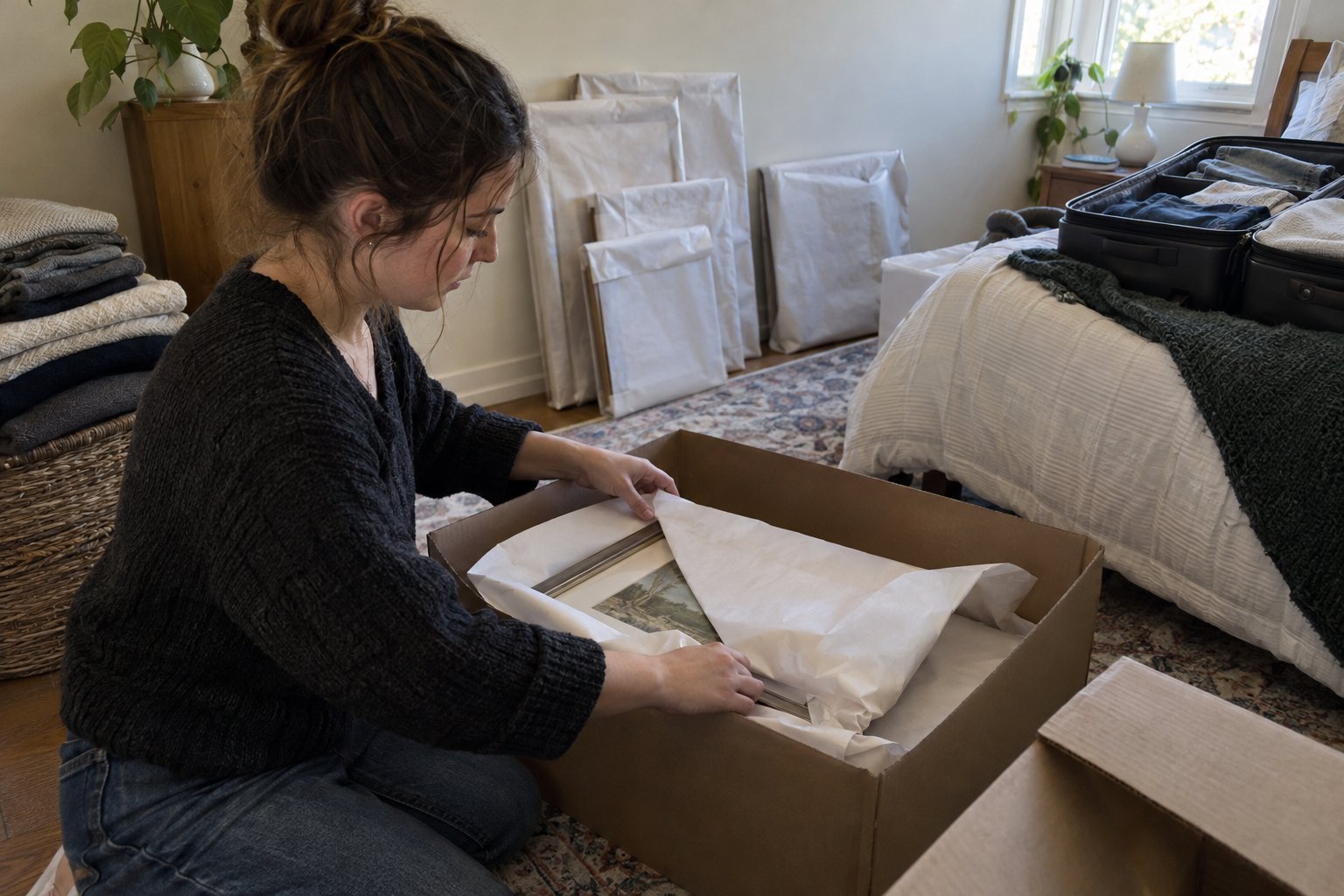
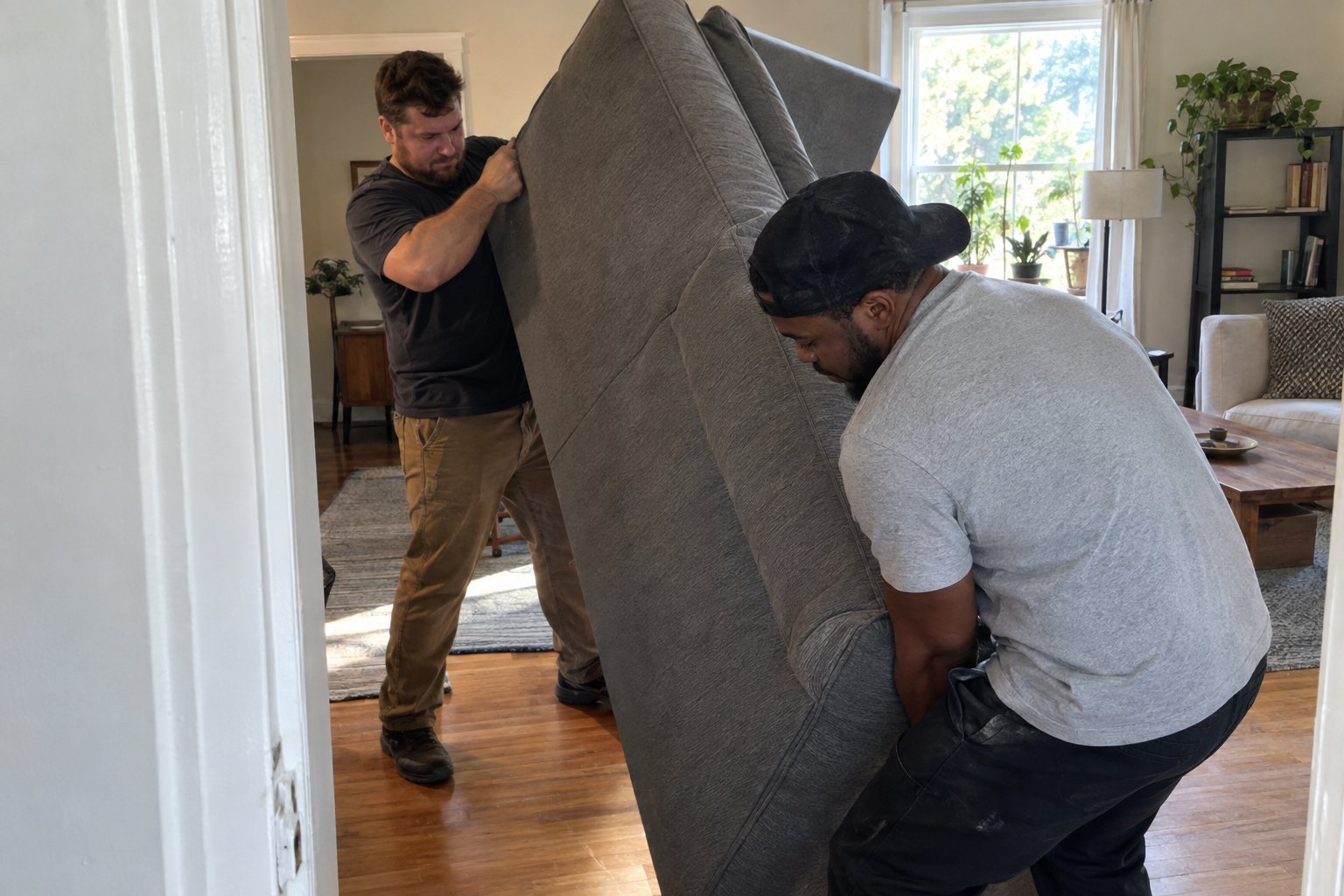
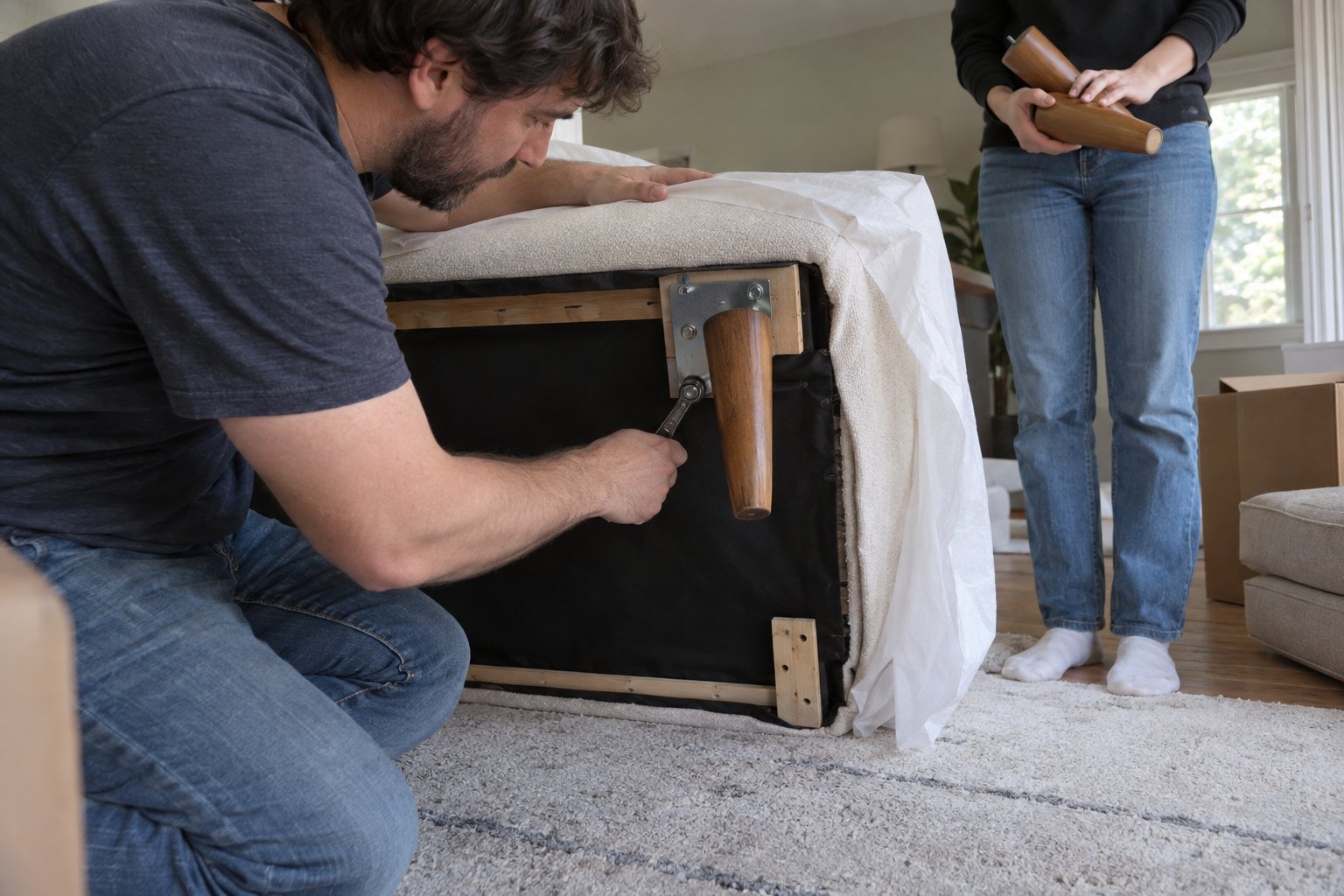
The single best way to reduce insurance headaches is to minimize the chances you'll need to file a claim at all. Photograph valuable or fragile items before the crew arrives, confirm furniture is disassembled or ready to be, and clear walkways so the crew isn't maneuvering around obstacles while carrying something heavy.
A little preparation on your end also affects how smoothly the day goes overall. If you haven't already, review what to handle before the labor crew arrives so nothing is left half-packed when the team shows up, and if you're unsure how many hands you'll need for the job, sizing that correctly reduces both cost and the chance of items being rushed or mishandled under time pressure.
What to Do If Something Gets Damaged
If damage happens, document it immediately with photos and notify the crew or company lead before they leave, not days later. Most liability claims require notification within a short window, often 24 to 72 hours, and delayed reporting is one of the most common reasons claims get denied. Keep your service agreement and any photos in one place so you're not scrambling to reconstruct details later.
Getting Coverage Right Before You Book
Insurance for a labor-only move is really a planning question, not a paperwork question. Know what your crew's liability covers, check whether your renters or homeowners policy fills the gap, and decide before move day whether a handful of high-value items need separate coverage.
If you're comparing labor-only crews and want to confirm what's included in their liability terms, it's worth asking directly when you request pricing. Get a free labor-only moving quote and ask about coverage details as part of that conversation, before your items are on the truck.


FAQs
Most reputable labor-only companies carry general liability and workers' compensation insurance, but the liability coverage for your belongings is often limited to a small amount per pound per item rather than full replacement value. Always ask for the specific liability terms in writing before booking.
It depends on the policy. Some homeowners and renters policies cover personal property against certain risks during a move, but many exclude routine handling damage. Call your provider before move day to confirm what is and is not covered.
Released value protection is the default, minimal coverage most moving companies offer, typically paying a small fixed amount per pound per damaged item regardless of its actual value. It's not the same as full replacement coverage and usually needs to be supplemented for valuable items.
Reporting windows vary by company, but many require notification within 24 to 72 hours of the move. Document any damage with photos and notify the company as soon as you notice it to avoid your claim being denied for late reporting.
Reporting windows vary by company, but many require notification within 24 to 72 hours of the move. Document any damage with photos and notify the company as soon as you notice it to avoid your claim being denied for late reporting.
Still have questions?
How to move with us?
Hit the “Get a Quote” button and tell us what you need.
Choose the service, date, and time that work best for you.
Our friendly team shows up on time and gets everything done safely.
Sit back while we take care of the rest.
.avif)