
How Long Does It Take to Move? A Realistic Timeline by Home Size
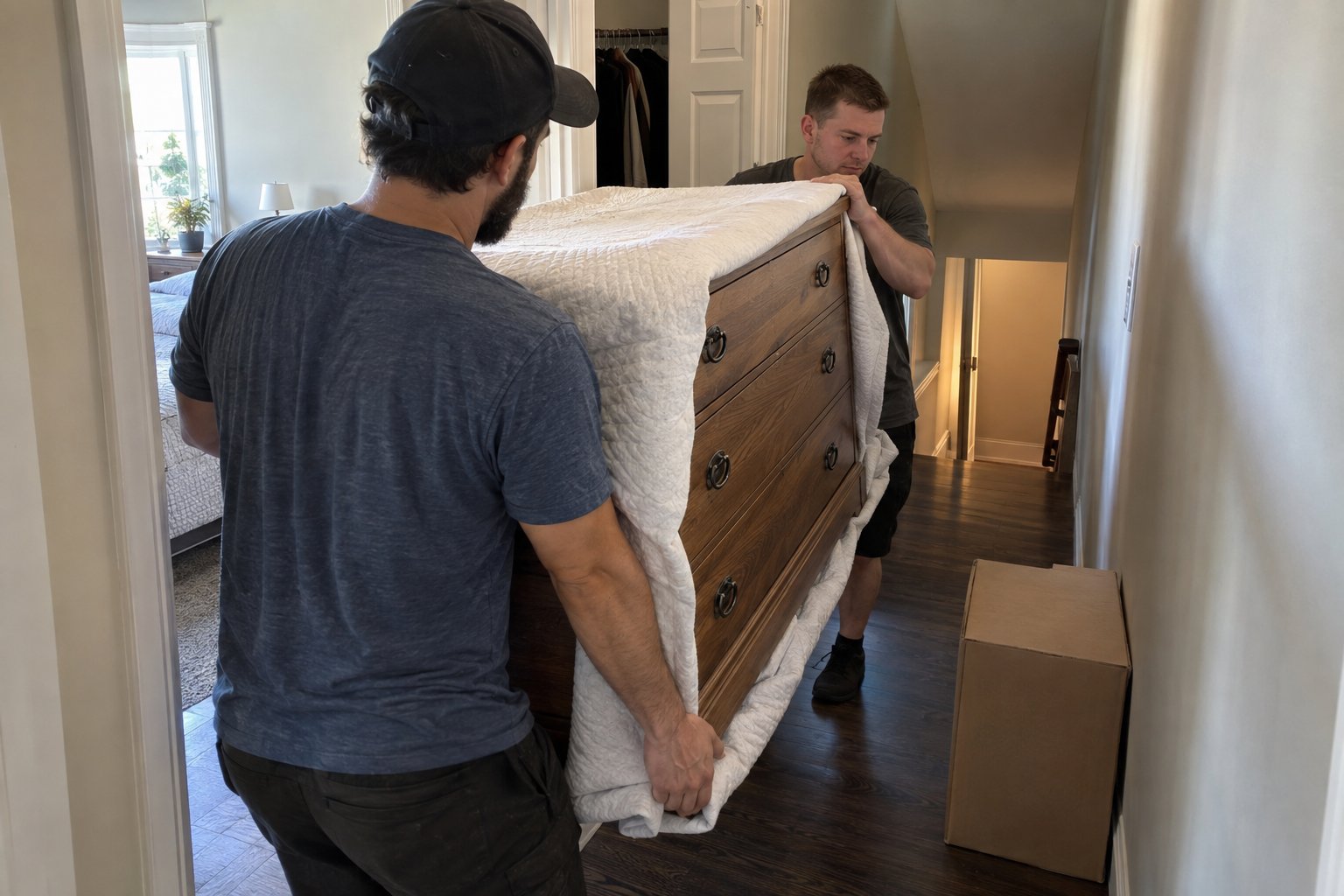
Most local moves take between 3 and 10 hours of actual labor, depending on how much you own and how many people are lifting it. A studio apartment with a small crew can wrap up in half a day. A four-bedroom house often needs two full crews working from morning into the afternoon. The honest answer to "how long will my move take" is always a range, but you can narrow that range down to something useful once you know your square footage, your item count, and the obstacles between your old door and the truck.
Below is a realistic breakdown by home size, plus the specific factors that stretch a move from a quick afternoon into a full day, so you can plan your schedule and your labor booking with fewer surprises.
How Long Does It Take to Move a Home of Each Size?
A studio or one-bedroom apartment typically takes 2 to 4 hours with two movers. A two or three-bedroom home usually runs 4 to 7 hours with a three or four person crew. A four-bedroom or larger house often takes 7 to 10+ hours and generally needs two teams or a full day booking. These numbers assume everything is already boxed and the home is on a ground floor with easy truck access.
Studio or 1-Bedroom Apartment
With one moving truck load, a two-person crew can usually load, drive across town, and unload in 2 to 4 hours. Furniture count is low, usually a bed, a couch, a dresser, and boxes, so the bottleneck is almost always parking and elevator access rather than the volume of stuff.
2 to 3-Bedroom Home
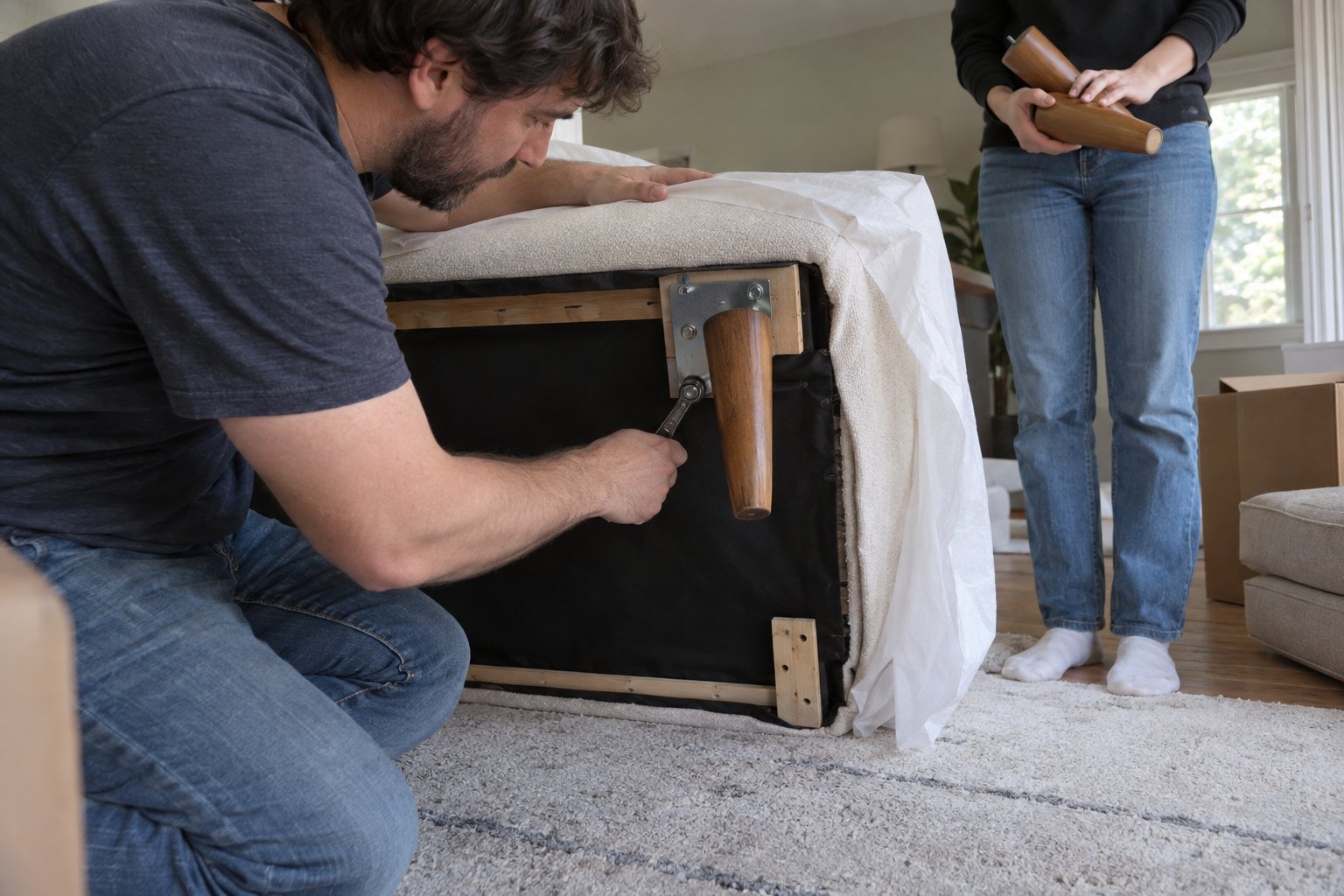
This is the most common booking size, and it generally lands between 4 and 7 hours with three or four movers. Expect at least one large furniture piece per room that needs disassembly, like a bed frame or a dresser with a mirror attachment, which adds time even when boxes are already packed.
4-Bedroom House or Larger
Full houses with a garage, a home office, and multiple living areas often take 7 to 10 hours or more, and many companies split the job across two crews or two trucks to keep it inside a single day. If a garage or basement is full of loose, unboxed items, add extra time before the crew even reaches the furniture.
What Actually Slows a Move Down?
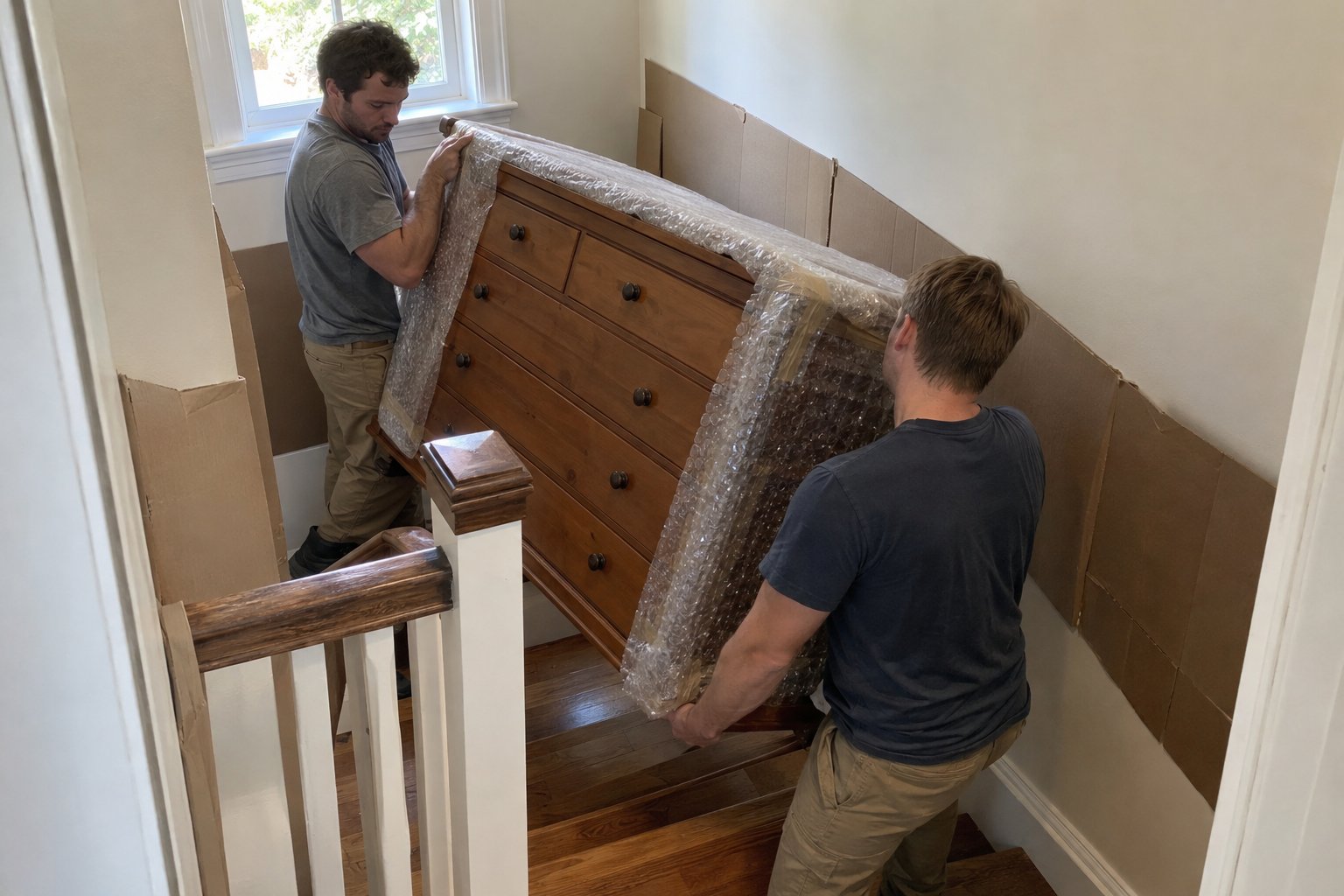
Stairs, long carry distances, and unboxed items are the three biggest time drains in any move, more so than the total number of boxes. A crew that has to carry furniture down three flights or across a long driveway will move noticeably slower than one working ground floor to a truck parked at the curb.
- Stairs and elevators: Each flight of stairs adds real time per trip, and a slow or shared elevator can double the time it takes to move a full apartment.
- Long carry distances: If the truck cannot park near the door, every item takes longer to move, even light ones.
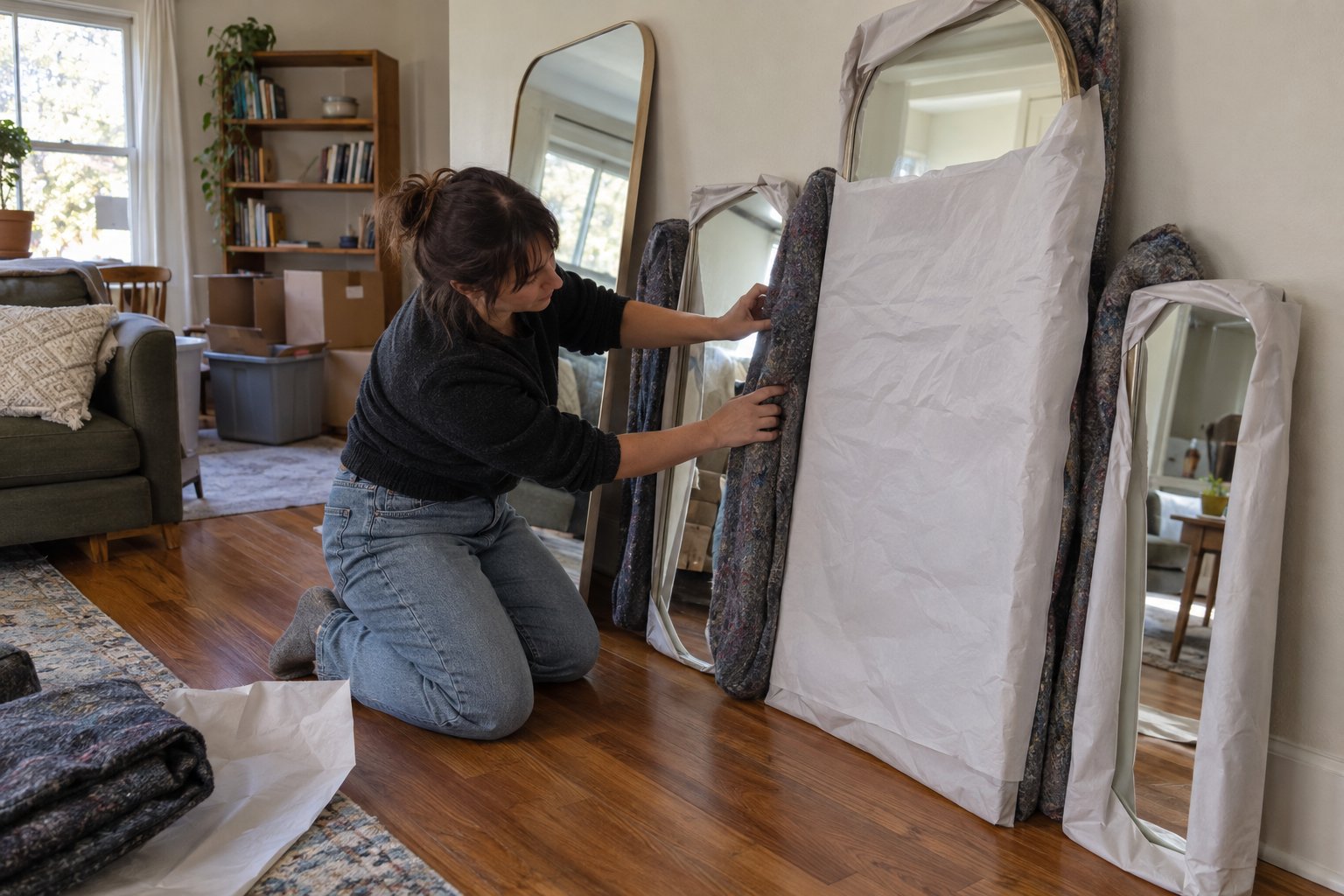
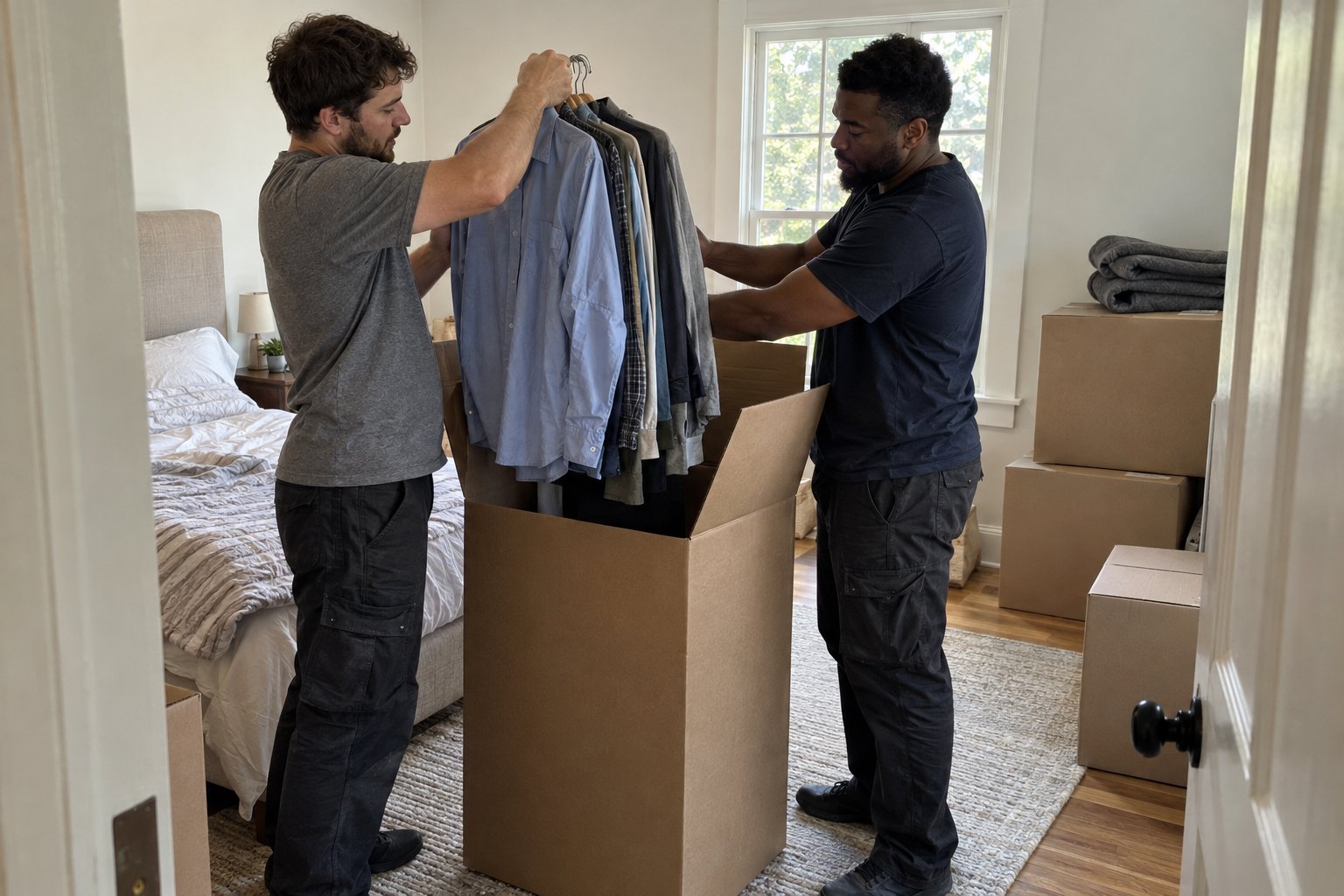
- Unboxed or unprepared items: A crew that shows up to loose closets and unassembled furniture spends time packing and disassembling that was not budgeted for.
- Bulky or heavy specialty items: Pianos, safes, and large appliances each require extra hands and careful maneuvering, adding time beyond what their size alone suggests.
- Weather and access restrictions: Rain, snow, or a building's move-in window can force a crew to work more carefully or wait between trips.
How Many Movers Do You Need to Keep the Timeline Realistic?
More hands do not always mean proportionally less time, but adding one or two movers to a large job usually shortens it by hours rather than minutes. A two-person crew on a three-bedroom home might take 7 hours, while a four-person crew on the same home could realistically finish in 4. If you have a hard deadline, such as a lease turnover or a moving truck rental window, it is often cheaper to add labor than to pay for extra hours at a slower pace. For a deeper look at matching crew size to home size, see our guide on how many movers you actually need for your move.
Should You Build in Extra Time on Moving Day?
Yes. Building in an extra hour or two beyond your estimate protects you from the most common surprises: a delayed elevator reservation, a couch that will not fit through a doorway, or boxes that were not quite ready when the crew arrived. Movers price in blocks of time, and running short means either paying a rush rate or finishing the job yourself after the crew leaves.
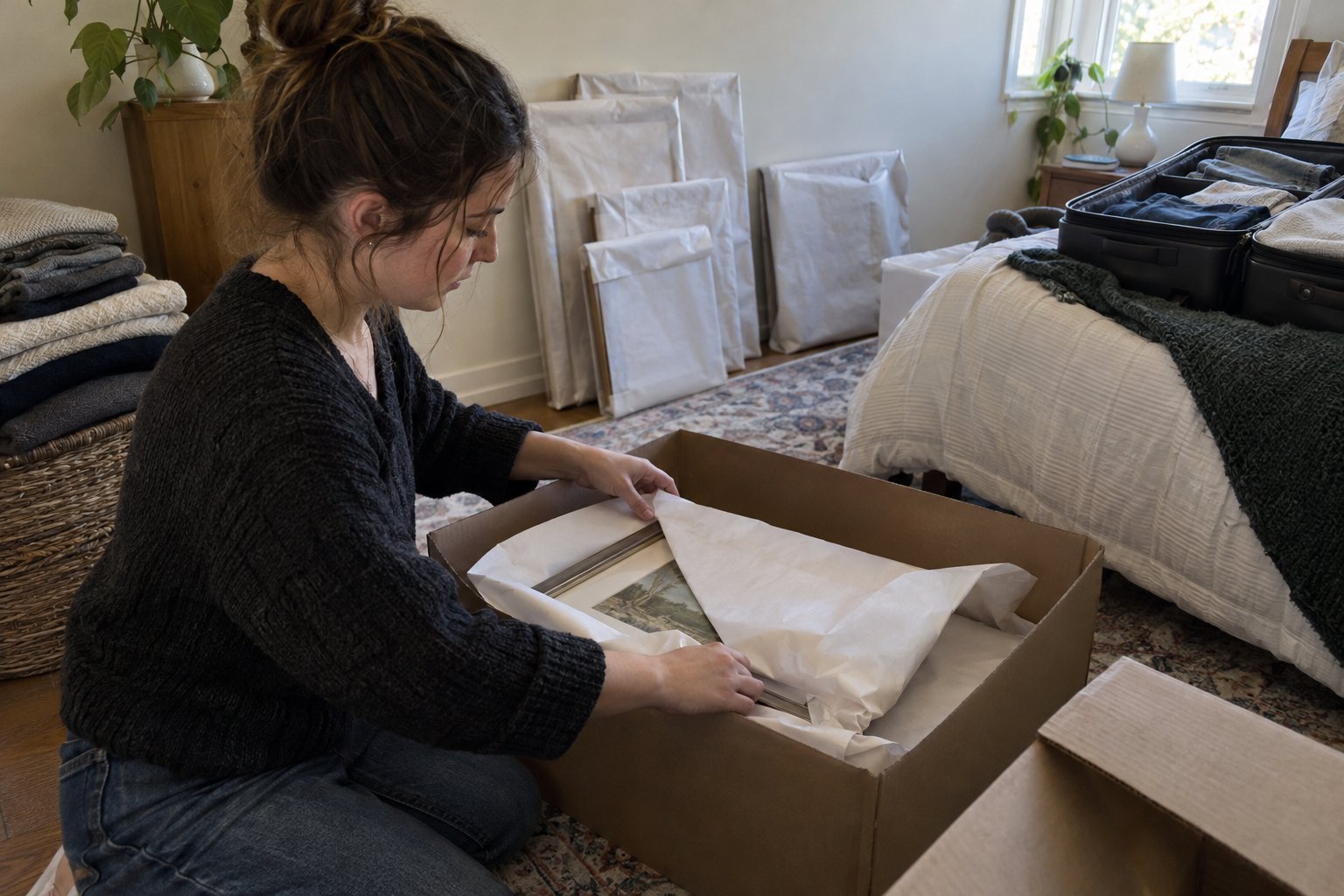
The single biggest lever you control is preparation. Homes that are fully boxed, disassembled where possible, and cleared of clutter before the crew arrives consistently move faster than homes where packing is still in progress. Our guide on what to do before the labor crew arrives covers the specific steps that shave real time off a moving day.
Does Hiring Labor-Only Help Change Your Timeline?
Yes, in most cases labor-only crews move faster per hour than a DIY move with friends, because they are used to the physical pace and know how to sequence a load without backtracking. If you already have a truck or trailer and just need experienced hands to load, carry, and unload, a labor-only moving crew can often complete the heavy lifting portion of a move in less time than an untrained group, even though the total headcount is smaller.
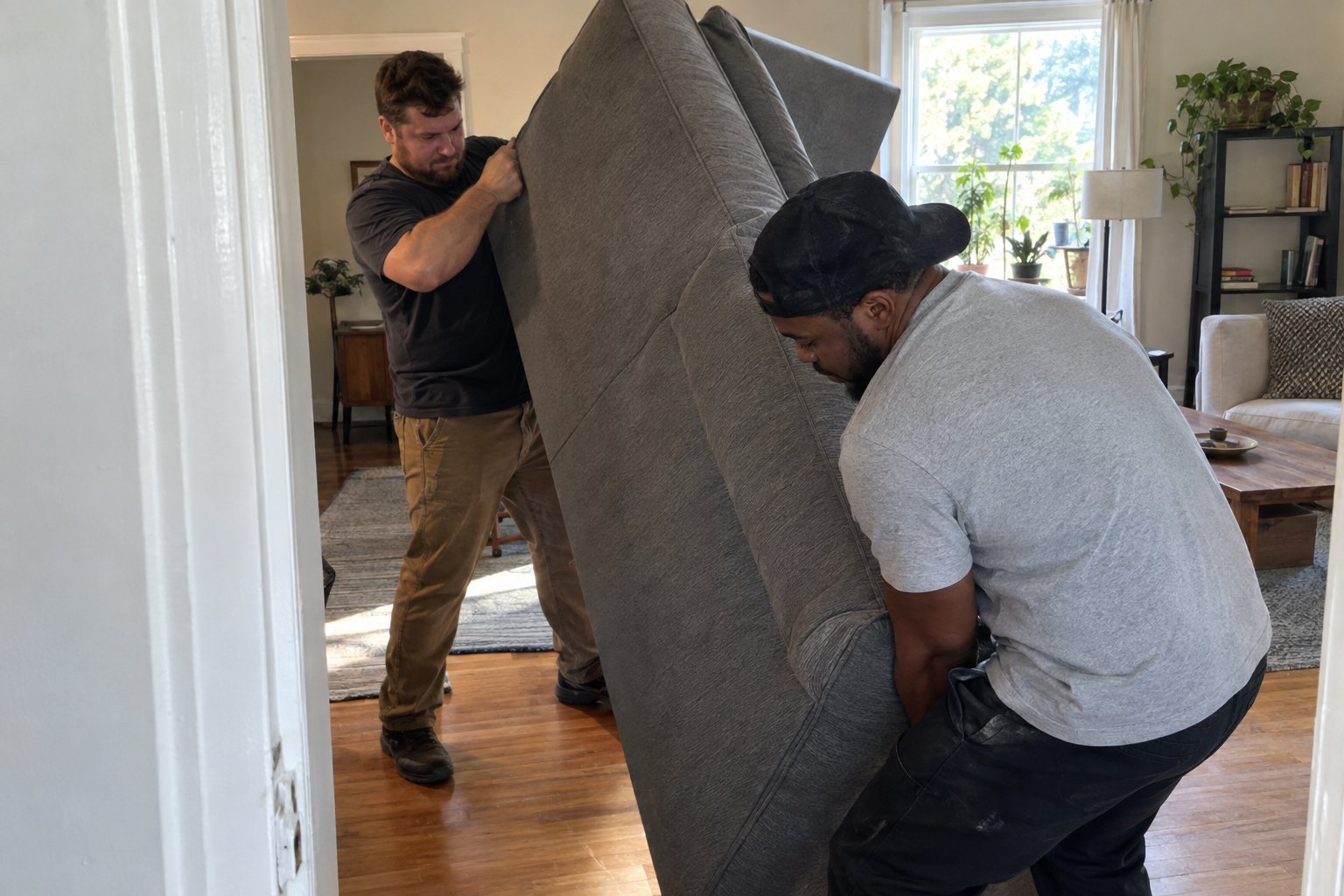
If your move involves a long list of large furniture, it also helps to know what to expect for each piece individually. Heavier or oddly shaped items, like a mattress or a bulky dresser, take longer to carry through tight hallways and stairwells than boxes ever will, so factor those pieces into your time estimate separately rather than assuming they move at the same pace as everything else.
Getting an Accurate Estimate for Your Own Move
The best way to get a real number instead of a rough range is to walk through your home room by room and count large furniture pieces, note any stairs or elevators, and measure the distance from your door to where the truck will park. Once you have that picture, a labor company can give you a much more accurate hourly estimate than a generic size-based average.
If you want a time and cost estimate based on your actual home rather than a general range, you can get a free labor-only moving quote and describe your rooms, stairs, and furniture directly to a crew that can size the job correctly the first time.


FAQs
A two-bedroom apartment typically takes 4 to 6 hours with a three-person crew, assuming boxes are packed ahead of time and there is reasonable truck access. Add time if there are stairs, a long carry distance, or a shared elevator with limited reservation windows.
Morning moves are generally faster because crews are fresh, parking and elevators are less congested, and there is more daylight left if the job runs longer than expected. An afternoon start also compresses your buffer time if something goes wrong.
Each flight of stairs can add 15 to 30 minutes or more to a move, depending on crew size and how heavy the furniture is. A third-floor walkup with no elevator can realistically double the time compared to a ground-floor unit.
Loading generally takes slightly longer than unloading because the crew has to plan how items fit together and work through a full home room by room. Unloading is often faster since the truck is already organized and items just need to come off in a logical order.
Loading generally takes slightly longer than unloading because the crew has to plan how items fit together and work through a full home room by room. Unloading is often faster since the truck is already organized and items just need to come off in a logical order.
Still have questions?
How to move with us?
Hit the “Get a Quote” button and tell us what you need.
Choose the service, date, and time that work best for you.
Our friendly team shows up on time and gets everything done safely.
Sit back while we take care of the rest.
.avif)